

Unlock Your Smile with Dental at Keys

We Strive to Provide The Best Dental Care For All Our Patients

child with crooked teeth needs jaw expansion

What is Orthodontic Jaw Expansion?

Orthodontics involves the careful movement and alignment of teeth to improve both function and appearance. One important aspect of orthodontic treatment, particularly in younger patients, is jaw expansion. Jaw expansion refers to the process of widening the upper or lower jaw to create more space in the mouth. This helps to prevent or correct crowding, improve bite alignment, and support better facial development.

When the jaw is too narrow or underdeveloped, there may not be enough room for all the adult teeth to grow in properly. This can lead to crooked or overlapping teeth, misaligned bites, and even issues with breathing, speech, or jaw function. Expanding the jaw creates the space needed for teeth to move into their ideal positions — sometimes even eliminating the need for extractions or more complex orthodontic treatment later on.

Early Treatment is Key!

Signs you might need Orthodontics

Crossbites

when the upper and lower teeth do not line up correctly

the arch of the jaw appears pinched or small

where the upper front teeth protrude significantly over the lower teeth

which may be linked to a constricted airway due to jaw size

such as lisping or unclear pronunciation

which may affect how permanent teeth erupt

Our Orthodontic Philosophy

Orthodontics is not just simply about straightening teeth. Here at Dental at Keys, we aim to create a beautiful full smiles. We pay particular attention to the curvature, width and height of the smile. All of these aspects involve a lot more work than just straight teeth. The last thing we want for you is to have a flat straight smile (ie. Denture smile).

We also pay great attention to the profile of your face. Not only should your smile be full, but your facial profile should match it is as well. There is no point in extracting teeth in a patient who already has a sunken profile. Similarly, patients with lips that are too full should not have this worsen. This is why we say we treat the face, and not just the teeth.

Types of Orthodontic Jaw Expansion we offer:

Maxillary Expansion (also known as RME)

Our top jaw (Maxilla) is made of two separate bones joined together by a line (mid-palatal suture). When we are young the bones have not fused together, and therefore we are able to stretch the two bones apart. This forms a gap between the bones which with time fills up with bone. When your top jaw is narrow, or if there is insufficient room for all your permanent teeth to fit into your top jaw, your dentist may prescribe a fixed or removable maxillary expander. The expander sits around your first molars and can extend to some of your teeth further forward. The expander may or may not have a layer of plastic covering your upper back teeth. The timing of upper expansion is crucial and is typically done in younger patients aged 7 to 10.

Likewise, your lower jaw can also be expanded, to a certain extent and prior to the eruption of your lower adult canine teeth.

Another version of expansion uses the incisal suture to push the front or back of your jaws outward (or backwards). This is typically used in cases where there is sufficient sideways expansion but insufficient space for the teeth to come out (front to back

boy had jaw expansion with braces

How do you make an Expander?

Depending on whether you need a Fixed (glued-in) or removal jaw expander, the process is fairly similar and involves:

  1. Moulds or scans are taken of your teeth.
  2. The jaw expander is made at our local orthodontic lab.
  3. If a fixed teeth expander is to be made, we will place separators (rubber rings) between your back teeth.
  4. Once the jaw expander is complete, we test the fit of the appliance and adjust it to fit your teeth. Fixed expanders will be glued-in at this appointment.
  5. You will attend regular appointments to monitor the appliance and expansion of your jaws – generally up to a period of 1 to 2 years.

Will I need any further treatment?

After treatment with a Orthodontic Expander, it is very likely that you will need to have further treatment such as braces or clear aligners to straighten your teeth. Each case is different, and your dentist will inform you of your tailored treatment plan.

Not sure if you or your child need Jaw Expansion? It is something that requires specialized assessment so contact our team today for support!

Common Dental Problems

Tooth Decay
Tooth decay or (cavity), is the unsightly brown or black spot on your tooth. Addressing it promptly is essential as it can often lead to further progression of the decay into the tooth.

Toothache
A toothache is pain in or around a tooth that can range from mild discomfort to severe, throbbing pain. It often signals an underlying dental problem that needs urgent professional attention.

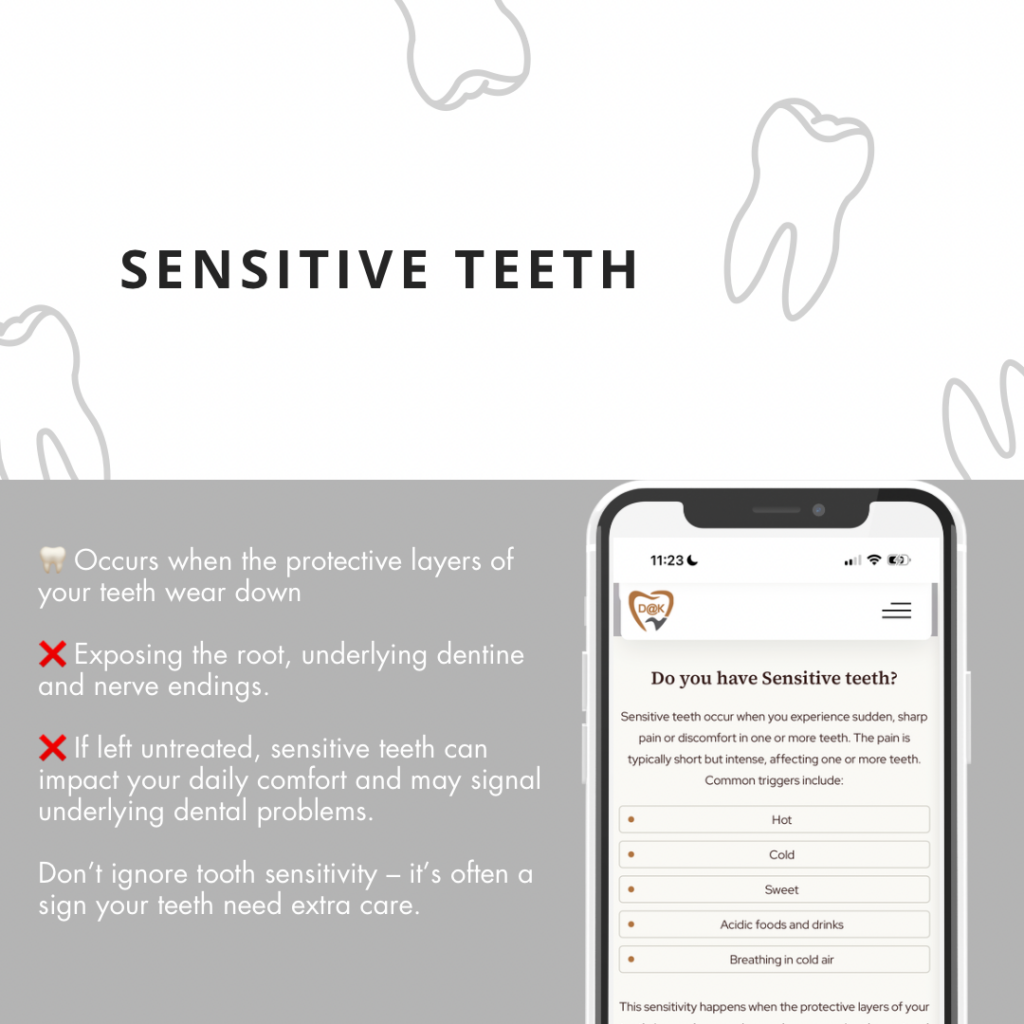
Sensitive Teeth
Refers to a condition when a person experiences sharp, sudden pain or discomfort in their teeth when exposed to certain triggers.
Impacted Wisdom teeth
Impacted Wisdom teeth are your last (third) molars which stuck and can't come out due to their poor angulation. Signs include pain, swelling, infection, and headaches.

Teeth Grinding
Teeth grinding (bruxism), is a common condition where patients unconsciously clench, grind, or gnash their teeth together.

Tooth Abscess
A tooth abscess is a localised collection of pus caused by a bacterial infection inside the tooth or surrounding gum tissue. It often leads to intense pain, swelling, and requires prompt dental care to prevent further complications.
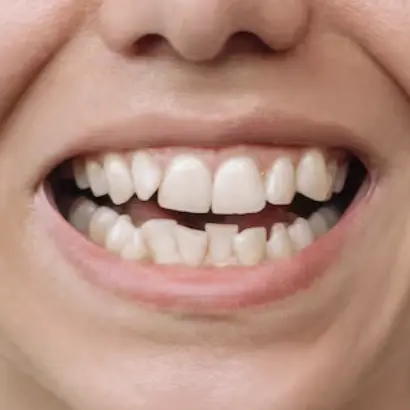
Crowded Teeth
Crowded teeth occur when there isn’t enough space in the jaw for teeth to sit in proper alignment.

Crooked Teeth
Crooked teeth usually develop due to a narrow or restricted jaw that doesn’t provide enough space for teeth to fit correctly.
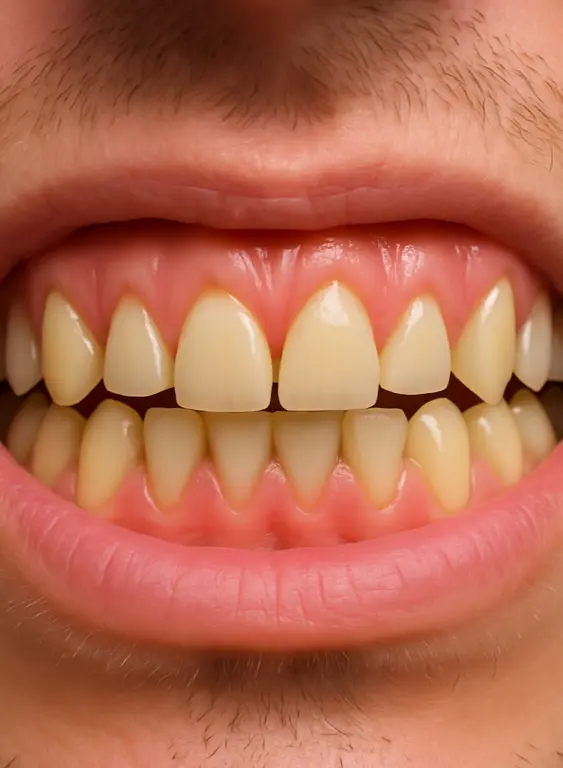
Yellow Teeth
Many people feel self-conscious about yellow teeth or tooth discolouration as it can affect confidence, self-esteem, and appearance.

Bad Breath
Bad breath, is a common yet often embarrassing condition that can affect your confidence and social interactions. It may indicate an underlying dental or medical problem that needs attention.

Dry Mouth
Dry mouth, also known as xerostomia, occurs when your salivary glands do not produce enough saliva to keep your mouth moist.

Snoring
Snoring, despite popular belief, is NOT a normal part of sleep. Snoring indicates that the flow of air through the breathing pipes is being restricted, causing vibrations and noise.
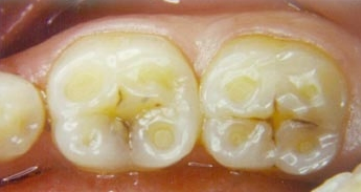
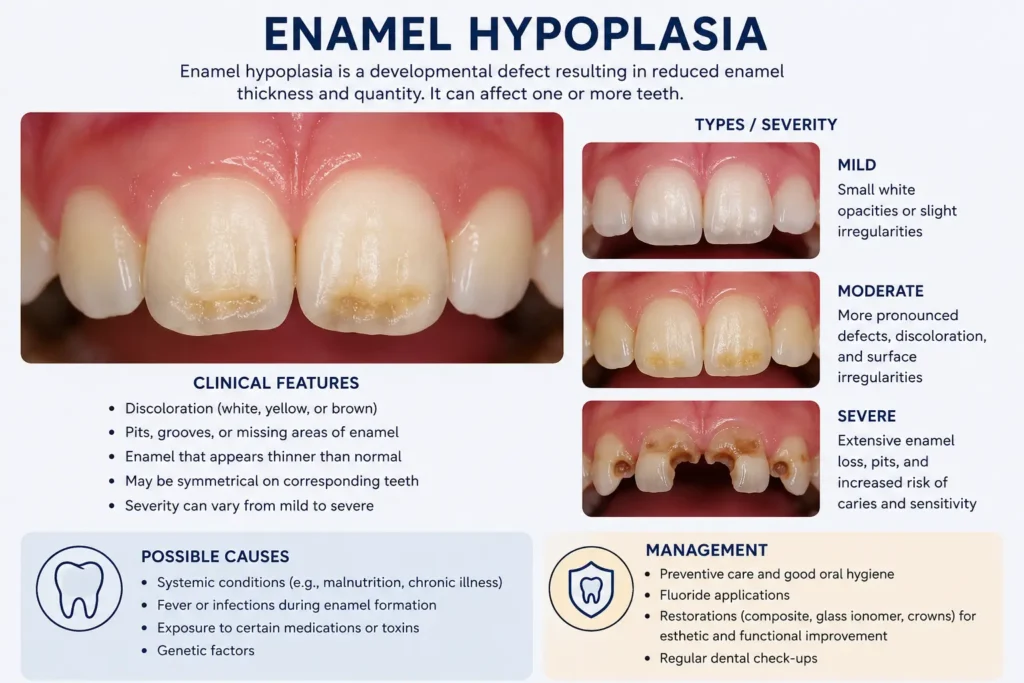
Enamel Erosion
Enamel erosion occurs when acids wear away the strong outer layer of your teeth leading to tooth sensitivity, cosmetic changes, and even functional damage.

Jaw Pain
Jaw pain is a common but often overlooked dental and medical issue which requires early treatment to prevent deterioration of symptoms.
Gum Infection
Gum infections are painful and can cause redness, swelling, bleeding, and pus around the gums.
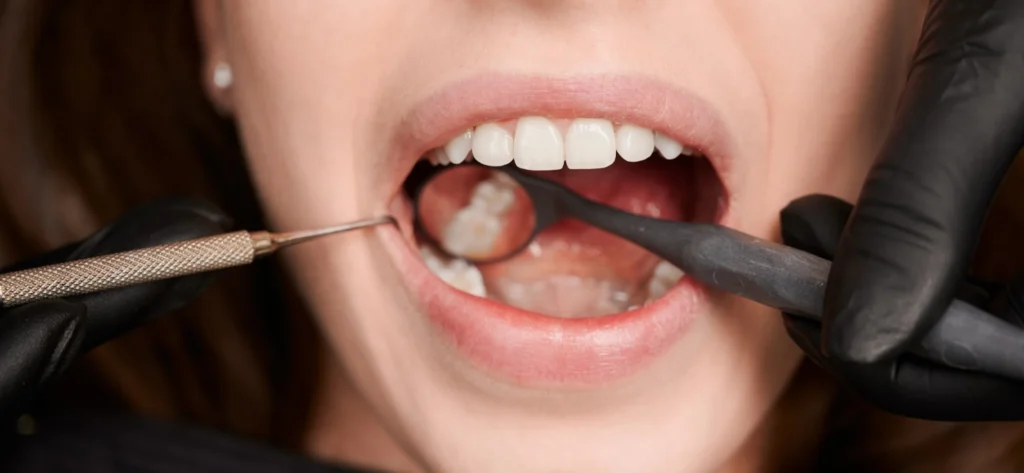
Receding Gums
Receding gums can be worrying when you first notice them. Seeking help early is the best way to protect your teeth and gums from further damage.
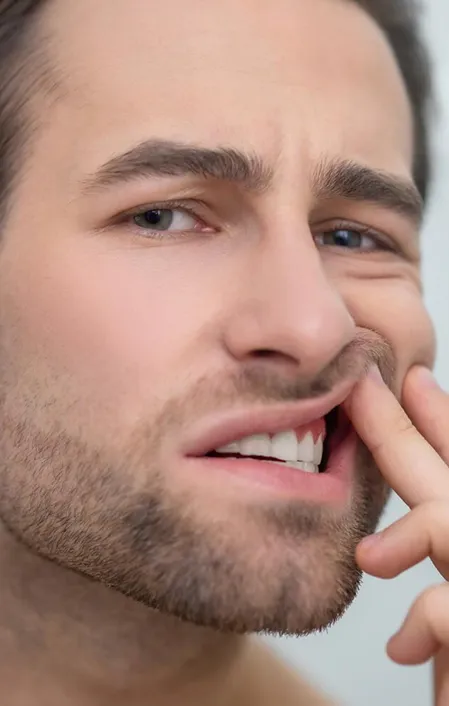
Gingivitis
Gingivitis is the reversible inflammation and infection of the gums surrounding the tooth. It is caused by plaque and/or tartar build-up around the teeth.

Cracked tooth
A cracked tooth refers to a condition when a tooth has chipped or fractured which generally results in a "sharp tooth" or at worst, a "tooth ache". Cracks can vary in size, depth, and location, impacting the tooth's structure and overall integrity.

Root Canal Infection
A root canal infection happens when bacteria enter the inner part of a tooth, called the pulp - and can be extremely painful.

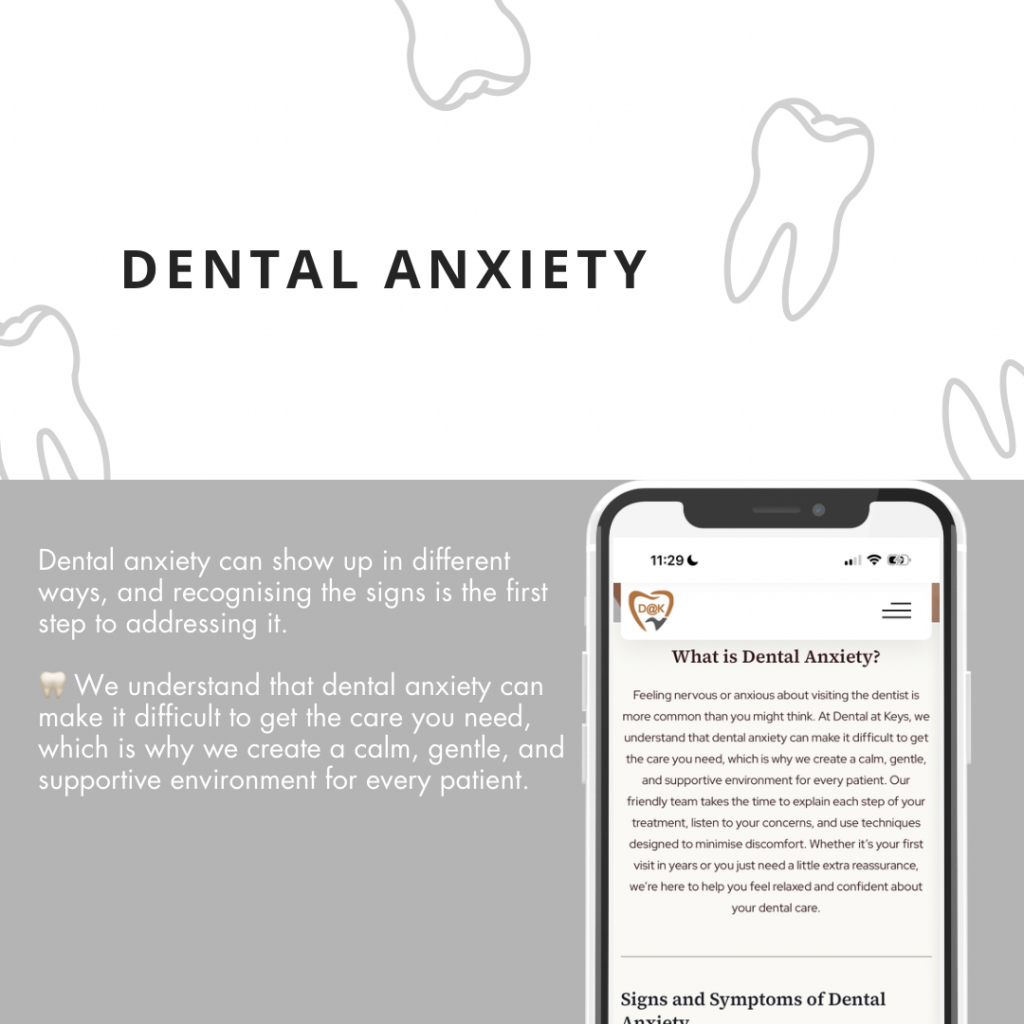
Dental Anxiety
Are you scared of the dentist? Do you think you need a lot of work done but can't bear to be in the dental chair?


Frequently Asked Questions

Faq Img
How much does a Jaw expander cost?

The cost depends on the length of treatment and number of appliances used. The cost for this can range from $1,000 (including all review appointments) for a simple appliance up to roughly $3,000 for more complex expanders.

Whilst we are able to do most orthodontic work here at Dental at Keys (except braces), we occasionally may need to refer you to an Orthodontist.

Yes, you must wear a retainer (for life) after your treatment is complete as your jaw expansion WILL relapse.

This can range from a few months for cosmetic or simple cases to several years for complex cases.

Latest News

Your local Dentist in Keysborough
A Smile For Every Age