
Why do we get Impacted Wisdom Teeth
Impacted wisdom teeth occur when there isn’t enough space in the jaw for them to grow properly, causing them to become trapped under the gum or bone. Factors such as a small jaw, misaligned teeth, genetic jaw shape, or obstruction by soft tissue or bone can prevent normal eruption. This lack of space and improper alignment can lead to pain, swelling, infection, and other dental complications if the impacted teeth are not monitored or treated.
Causes of Impacted Wisdom Teeth
Impacted wisdom teeth occur when there isn’t enough room in the jaw for them to grow and erupt properly. Common causes include:
Limited Jaw Space
A small or narrow jaw may not provide enough room for wisdom teeth to come through naturally.
Misalignment
Wisdom teeth may grow at an angle or sideways, preventing them from erupting correctly.
Genetic Factors
Inherited jaw size and tooth alignment can increase the risk of impacted wisdom teeth.
Soft Tissue or Bone Obstruction
Gum tissue or jawbone may cover part of the tooth, blocking proper eruption.


Symptoms of Impacted Wisdom Teeth
Impacted wisdom teeth can cause a variety of symptoms, including:
Pain and Discomfort
Aching or throbbing pain in the back of the mouth, jaw, or ear.
Swelling and Tender Gums
Redness, swelling, or tenderness around the affected tooth.
Difficulty Opening the Mouth (Trismus)
Pain and swelling may limit how wide you can open your mouth.
Infection (Pericoronitis)
Bacteria around the tooth can cause gum infection, sometimes with pus or fever.
Bad Breath or Unpleasant Taste
Caused by food and bacteria trapped around the impacted tooth.
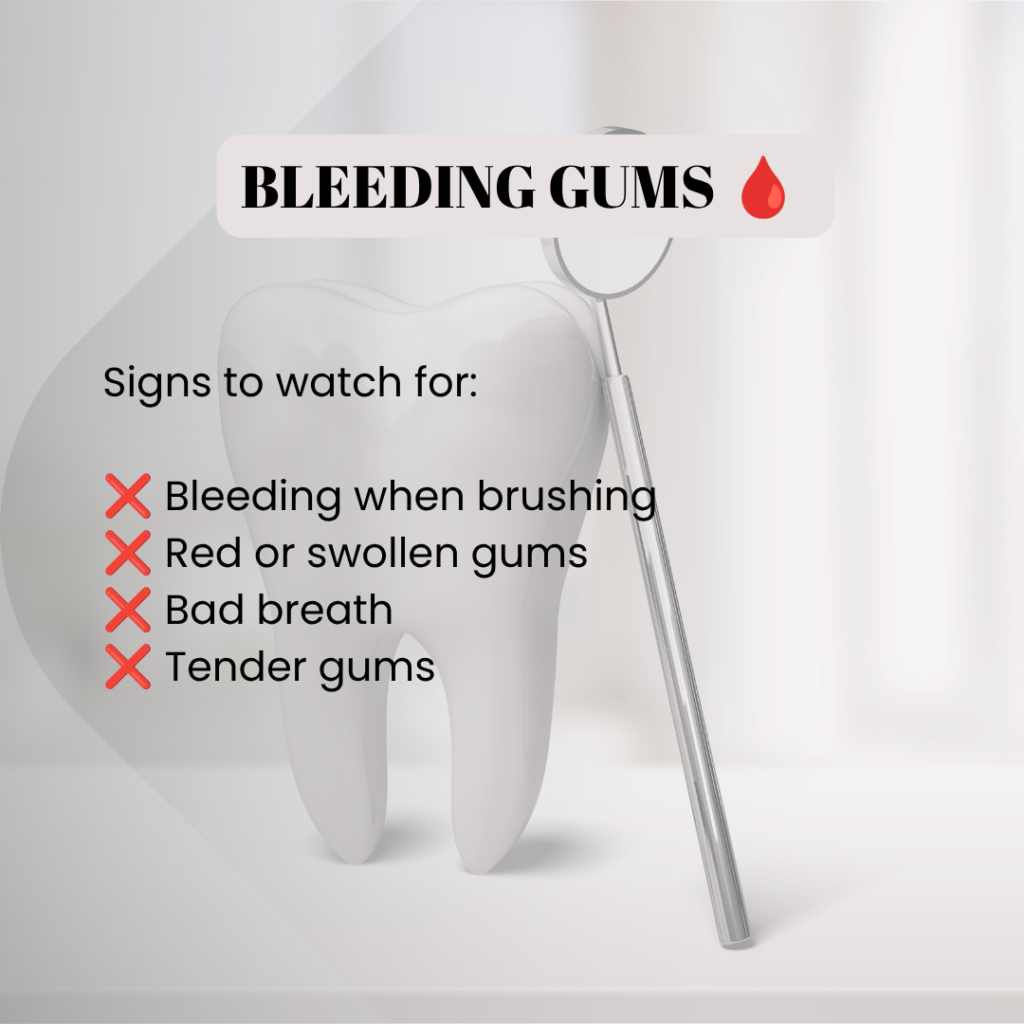
Bleeding Gums
Irritation or inflammation leading to bleeding around the wisdom tooth.
Headaches and Jaw Stiffness
Ongoing tension or pressure can cause headaches or difficulty chewing and speaking.
Prevention of Impacted Wisdom Teeth
Preventing impacted wisdom teeth isn’t always possible, but regular dental check-ups can help monitor their growth. Early orthodontic treatment may sometimes create more space for wisdom teeth to erupt correctly, but even with preventive care, impaction can still occur. At Dental at Keys, we use digital X-rays to assess wisdom teeth early and recommend the best approach for long-term oral health.
Treatment for Impacted Wisdom Teeth
Not all impacted wisdom teeth require removal. If the tooth is healthy, pain-free, and unlikely to cause complications, it may simply be monitored with regular dental visits. However, if symptoms develop—such as pain, swelling, infection, or damage to nearby teeth—wisdom tooth removal is often necessary.
- Simple Extraction – For wisdom teeth that have partially erupted.
- Surgical Removal – For teeth trapped under gum or bone, performed under local anaesthetic, sedation, or general anaesthetic depending on complexity.
At Dental at Keys in Keysborough, our experienced dentists provide safe and gentle wisdom tooth extraction tailored to your needs.
Contact Dental at Keys for an assessment to see if they need to be removed.
Contact Dental at Keys for Family Dental
Our experienced team will assess your situation, identify the underlying cause, and provide personalised solutions to improve your oral health. Don’t let your dental decay affect your oral health — schedule a consultation with us today and take the first step towards healthier teeth.
Dental Services
Dental Implants
Implant Retained Dentures
Full Mouth Dental Implants
Invisalign
Clear Aligners
Cosmetic Dentist
Veneers
Sleep Dentistry
Teeth Whitening
Wisdom Tooth
Orthodontics
Jaw Expansion
Tooth Extraction
Dental Crown
Dental Bridge
Root Canal Treatment
General Dentistry
Gum Disease Treatment
Tooth Filling
Teeth Cleaning
Dentures
Sleep Apnoea
Mandibular Advancement Splint (MAS)
TMJ
Occlusal Splint
Mouth Guard
Family Dental
Kids Dental
Silver Diamine Fluoride
Fissure Sealants
Frequently Asked Questions

How much does a wisdom tooth extraction cost?
Wisdom teeth removal can cost anywhere from a basic extraction cost ($200) to a complex extraction cost (more than $500). This highly depends on the complexity of treatment.
Why do I need to have my wisdom teeth removed?
Wisdom teeth, need to be removed if they are impacted, infected or causing other problems in the mouth. Left untreated, this can lead to pain, infection, damage to adjacent teeth, or other dental issues.
Do you need to refer me to a specialist to remove my wisdom tooth?
Occasionally we need to refer our patients to an Oral Surgeon if the risks of removal are too high. Higher risk procedures include nerve complications or complex medical history.
Will Wisdom Tooth pain improve with time?
What is the recovery process like after wisdom teeth removal?
Recovery typically involves some swelling and discomfort for a few days to weeks following the procedure. Most people can manage pain with prescribed medication or over-the-counter pain relievers such as Ibuprofen and Paracetomol. It’s important to follow post-operative care instructions, such as applying ice packs, eating soft foods, and avoiding strenuous activities.
Are there any risks or complications associated with wisdom teeth removal?
Just like any surgical procedure, there are potential risks, including infection, dry socket, nerve damage, and excessive bleeding, however, serious complications are rare. Discussing any concerns with our dentist here at Dental at Keys can help you understand the specific risks for your situation.