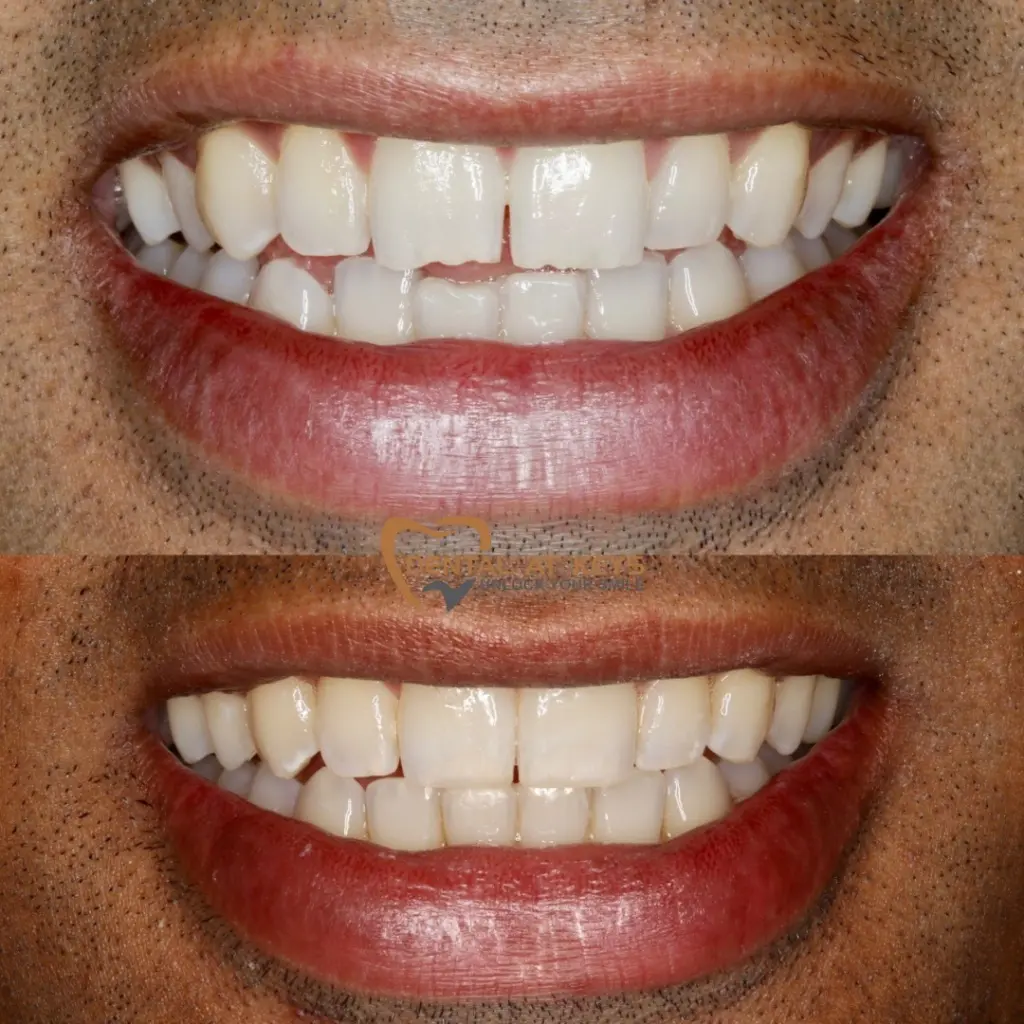

Unlock Your Smile with Dental at Keys

We Strive to Provide The Best Dental Care For All Our Patients

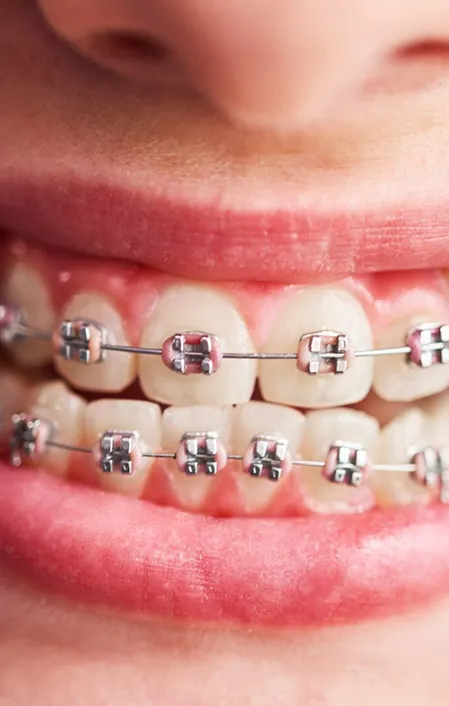
close up of orthodontics braces

Signs you might need Orthodontics

The most obvious sign is crooked teeth. Everyone knows about this sign and this is generally the reason we get asked whether someone needs braces.

This however, is NOT the only sign. Many other signs do not involve just the alignment of your teeth – but also the alignment of your jaws!

Some examples of orthodontic problems include:

  • Crowding or Spacing
  • Rotated teeth
  • Crossbites
  • Overbite or Underbites
  • Open bites or Deep bites
  • Narrow jaws
  • Retruded or Protrusive jaws
  • Jaw & mouth muscle imbalance

DO NOT IGNORE any signs of Orthodontic problems you might have. Any sign could be the start of a major problem. In most cases, if the problem is caught early, an early simple fix is all you need. However, if you leave the Orthodontic problem for long enough, this will result in more complex treatment such as Orthodontic Surgery.

Early treatment is key!

Our Orthodontic Philosophy

Orthodontics is not just simply about straightening teeth. Here at Dental at Keys, we aim to create a beautiful full smiles. We pay particular attention to the curvature, width and height of the smile. All of these aspects involve a lot more work than just straight teeth. The last thing we want for you is to have a flat straight smile (ie. Denture smile).

We also pay great attention to the profile of your face. Not only should your smile be full, but your facial profile should match it is as well. There is no point in extracting teeth in a patient who already has a sunken profile. Similarly, patients with lips that are too full should not have this worsen. This is why we say we treat the face, and not just the teeth.

2 girls smiling and eating green apple after finishing orthodontics

Types of Orthodontic Treatment we offer:

Early Orthodontics

For children whose jaws and teeth are still developing, early orthodontic treatment can make a big difference. This may include expansion, functional therapy, or partial braces to help guide proper growth and create space for incoming teeth. Early intervention can often reduce the need for more complex treatment later in life and set the foundation for a healthy, straight smile.

When the upper jaw is too narrow, jaw expansion is often recommended. This can be done using removable appliances, such as Schwartz Expansion Plates, or fixed (glued-in) appliances, such as the Bonded Hyrax Expander. These devices gently widen the jaw over time, creating more room for teeth to align properly and improving overall bite function.

Functional appliances are designed to correct jaw position and improve bite alignment while a child is still growing. These removable devices—such as Twin Blocks or Angel Aligner A6 Mandibular Advancement Therapy—encourage the jaws to grow into better balance. This type of therapy can help reduce overbites, improve facial profile, and support long-term oral health.

For teens and adults who want a discreet alternative to braces, clear aligners are an excellent option. Using trusted brands such as Invisalign, Spark, or Angel Aligner, this treatment straightens teeth with a series of custom-made, virtually invisible trays. They’re removable, comfortable, and allow you to eat and clean your teeth as normal—making them one of the most popular orthodontic solutions today.

In some cases, braces are still the most effective treatment for achieving the best results. Braces can be used to straighten teeth, correct complex bite issues, and create long-lasting results. At Dental at Keys, we currently only offer braces to selected patients (as of 2022), depending on the complexity of the case. Our dentists will carefully assess whether braces are the right option for your smile.

There are a multitude of Orthodontic options and careful case selection and timing is key!

Common Dental Problems

Tooth Decay
Tooth decay or (cavity), is the unsightly brown or black spot on your tooth. Addressing it promptly is essential as it can often lead to further progression of the decay into the tooth.

Toothache
A toothache is pain in or around a tooth that can range from mild discomfort to severe, throbbing pain. It often signals an underlying dental problem that needs urgent professional attention.

Sensitive Teeth
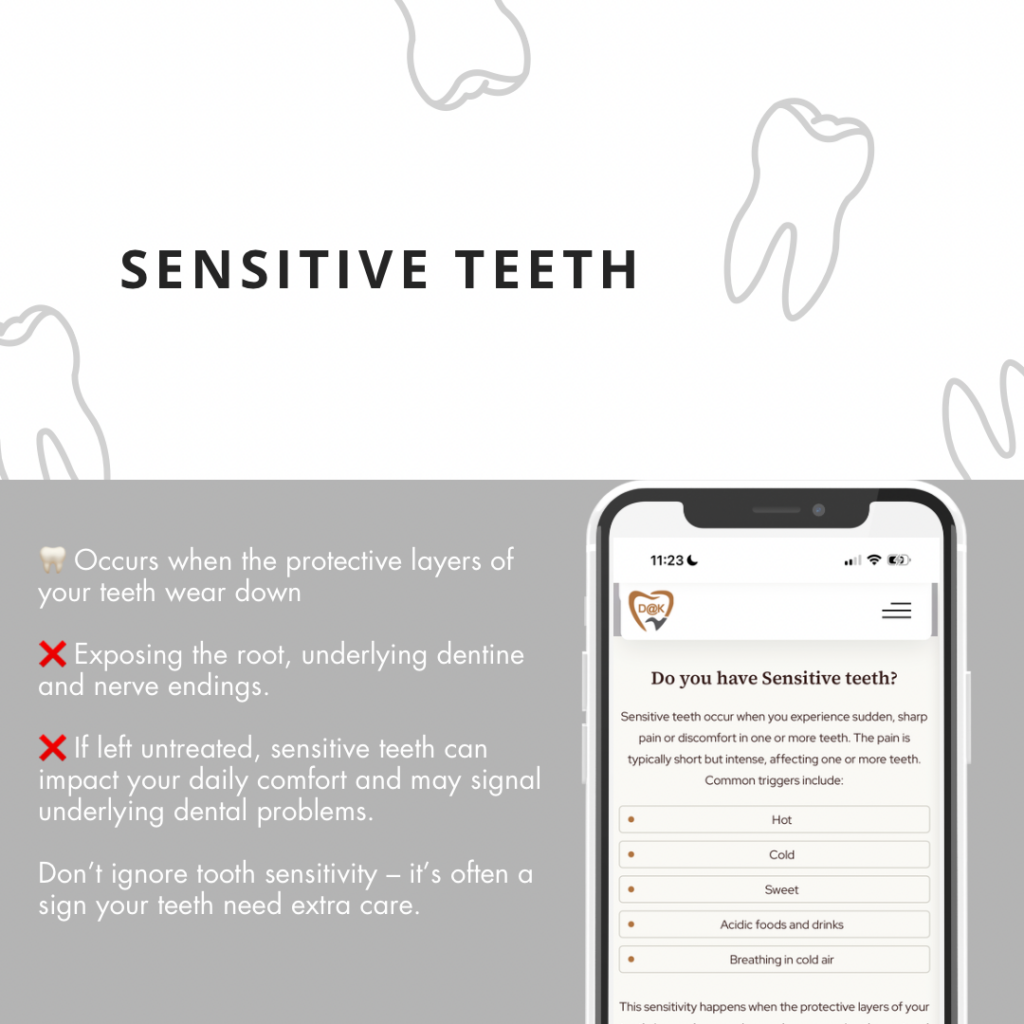
Refers to a condition when a person experiences sharp, sudden pain or discomfort in their teeth when exposed to certain triggers.
Impacted Wisdom teeth
Impacted Wisdom teeth are your last (third) molars which stuck and can't come out due to their poor angulation. Signs include pain, swelling, infection, and headaches.

Teeth Grinding
Teeth grinding (bruxism), is a common condition where patients unconsciously clench, grind, or gnash their teeth together.
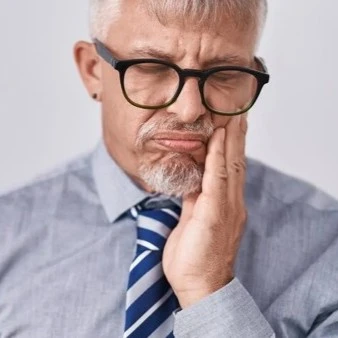
Tooth Abscess
A tooth abscess is a localised collection of pus caused by a bacterial infection inside the tooth or surrounding gum tissue. It often leads to intense pain, swelling, and requires prompt dental care to prevent further complications.
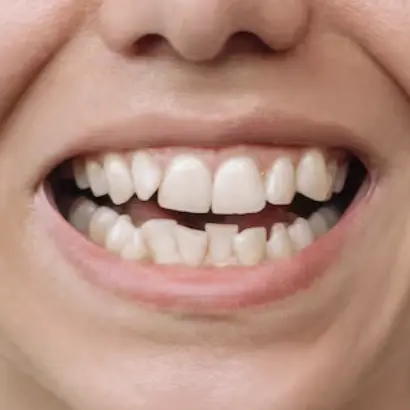
Crowded Teeth
Crowded teeth occur when there isn’t enough space in the jaw for teeth to sit in proper alignment.

Crooked Teeth
Crooked teeth usually develop due to a narrow or restricted jaw that doesn’t provide enough space for teeth to fit correctly.
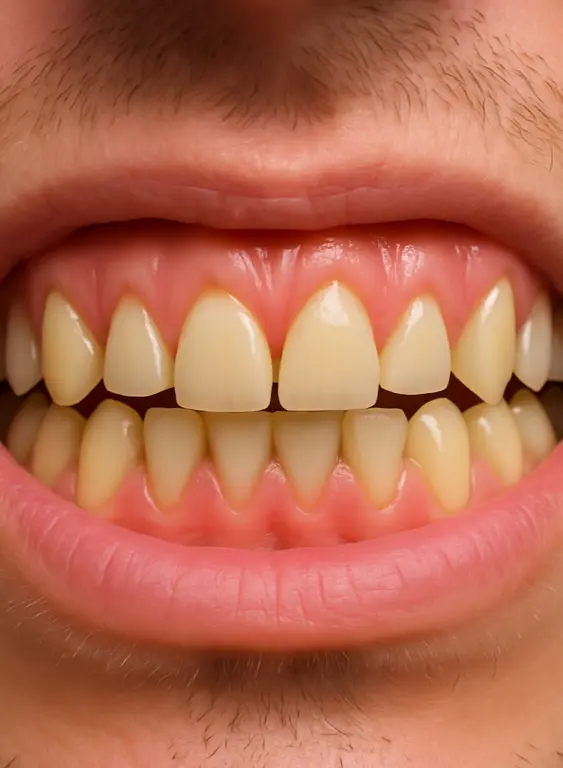
Yellow Teeth
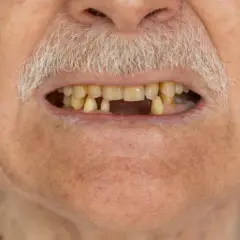
Many people feel self-conscious about yellow teeth or tooth discolouration as it can affect confidence, self-esteem, and appearance.
Bad Breath
Bad breath, is a common yet often embarrassing condition that can affect your confidence and social interactions. It may indicate an underlying dental or medical problem that needs attention.
Dry Mouth
Dry mouth, also known as xerostomia, occurs when your salivary glands do not produce enough saliva to keep your mouth moist.

Snoring
Snoring, despite popular belief, is NOT a normal part of sleep. Snoring indicates that the flow of air through the breathing pipes is being restricted, causing vibrations and noise.
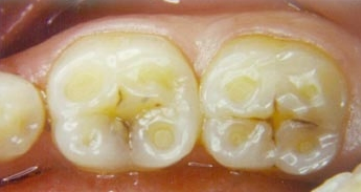
Enamel Erosion
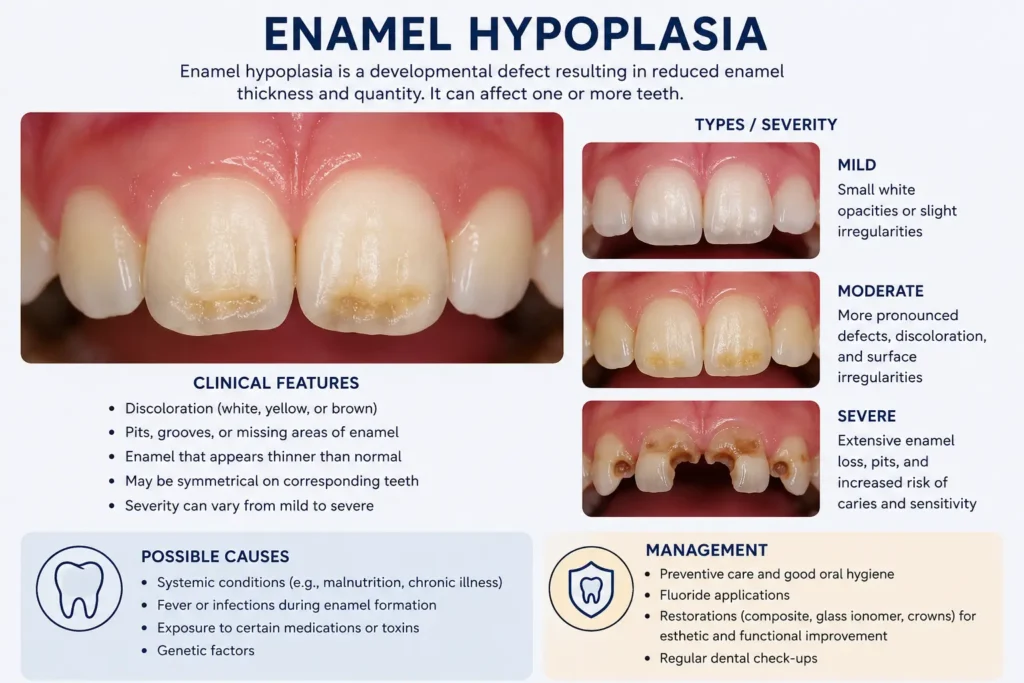
Enamel erosion occurs when acids wear away the strong outer layer of your teeth leading to tooth sensitivity, cosmetic changes, and even functional damage.

Jaw Pain
Jaw pain is a common but often overlooked dental and medical issue which requires early treatment to prevent deterioration of symptoms.
Gum Infection
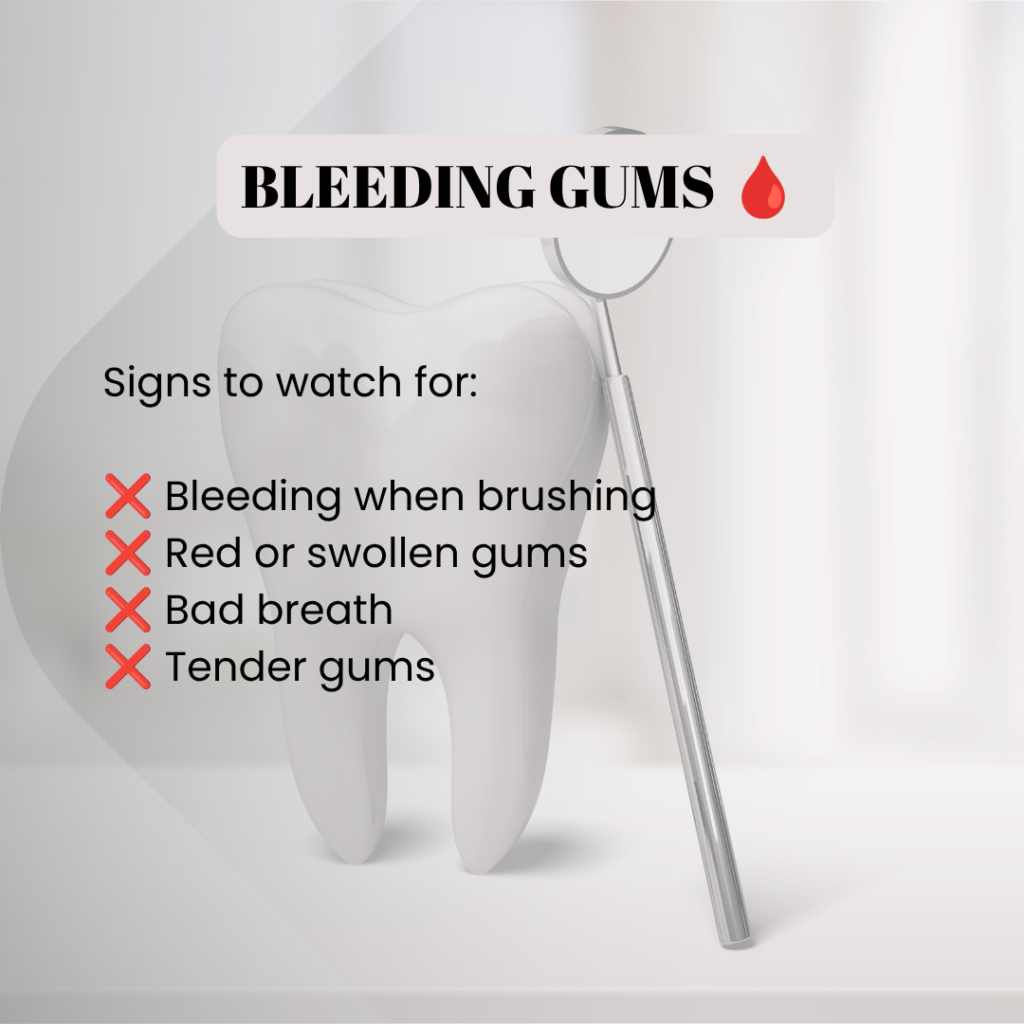
Gum infections are painful and can cause redness, swelling, bleeding, and pus around the gums.
Receding Gums
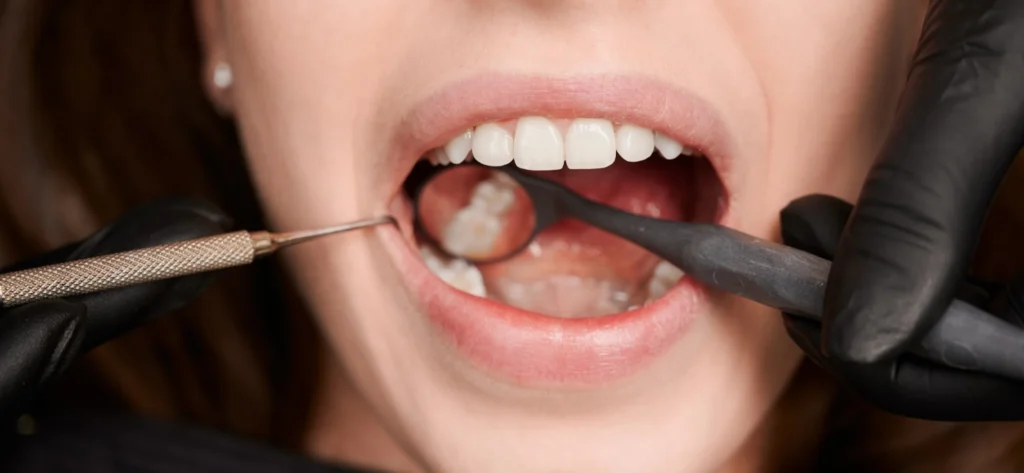
Receding gums can be worrying when you first notice them. Seeking help early is the best way to protect your teeth and gums from further damage.
Gingivitis
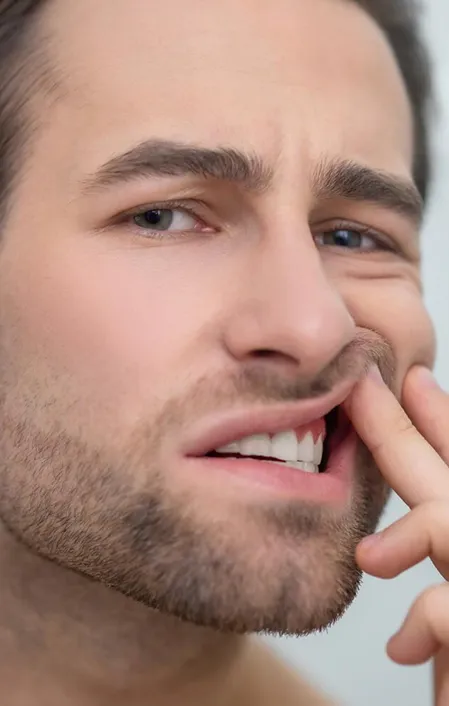
Gingivitis is the reversible inflammation and infection of the gums surrounding the tooth. It is caused by plaque and/or tartar build-up around the teeth.

Cracked tooth
A cracked tooth refers to a condition when a tooth has chipped or fractured which generally results in a "sharp tooth" or at worst, a "tooth ache". Cracks can vary in size, depth, and location, impacting the tooth's structure and overall integrity.

Root Canal Infection
A root canal infection happens when bacteria enter the inner part of a tooth, called the pulp - and can be extremely painful.

Dental Anxiety
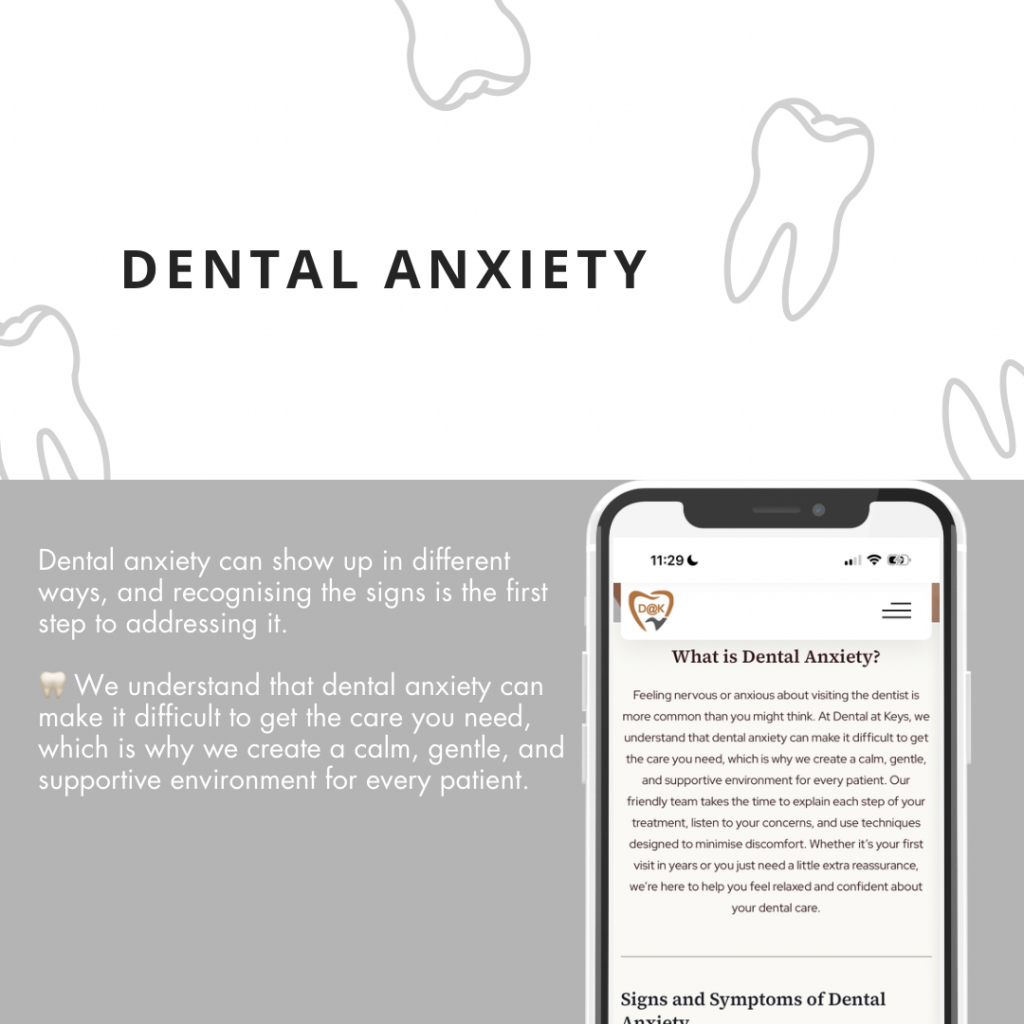
Are you scared of the dentist? Do you think you need a lot of work done but can't bear to be in the dental chair?


Frequently Asked Questions

Faq Img
How much does Orthodontics cost?

Orthodontics can range from simple devices like space maintainers which cost roughly $300 to complex Clear Aligner Therapy involving expansion and functional therapy. The upper end of the scale can cost over $10,000 for a complex case

Whilst we are able to do most here at Dental at Keys (except braces), we occasionally may need to refer you to an Orthodontist.

It is essential that you must wear your retainer for life after your treatment is complete. If not, your teeth WILL move back to their original position!

This can range from a few months for cosmetic or simple cases to several years for complex cases. The average Orthodontic case will generally take 1-2 years.

Latest News

Your local Dentist in Keysborough
A Smile For Every Age