
What is Jaw Pain?
Jaw pain is a common but often overlooked dental and medical issue. The temporomandibular joint (TMJ) is the hinge that connects your upper jaw to your lower jaw. This joint allows smooth movements such as chewing, talking, yawning, and even smiling. It is cushioned by a disc that absorbs pressure and supports movement.
When the TMJ is strained or damaged, it can cause jaw pain, clicking, stiffness, or even locking, making everyday activities difficult. Because the TMJ is one of the most complex joints in the body, issues with it can affect not only your jaw but also your teeth, head, neck, and shoulders.
Seeking early treatment for TMJ disorders and jaw pain is crucial to prevent worsening symptoms and to avoid invasive treatments such as surgery.
What Causes Jaw Pain?
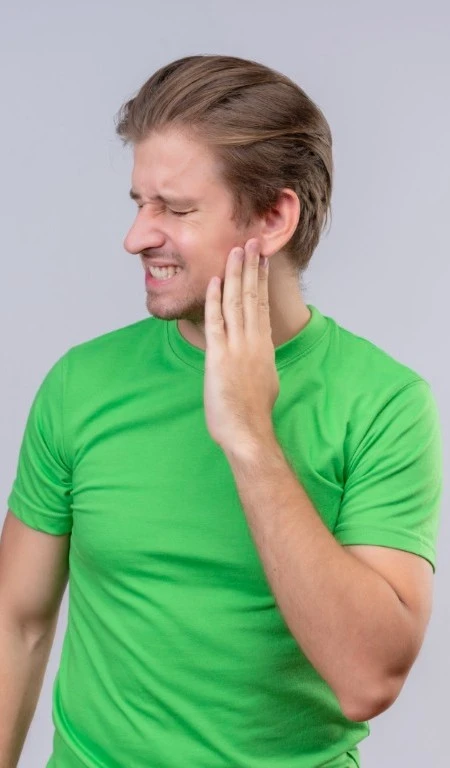
Jaw pain can have several causes, and it is important to identify the underlying issue for the right treatment. The most common include:
Bruxism (teeth grinding or clenching)
Often involuntary and can occur both during the day and while sleeping. Frequently linked with sleep disorders, stress, or airway obstruction.
Stress and anxiety
Can cause unconscious clenching of the jaw muscles.
Arthritis
Osteoarthritis or rheumatoid arthritis can affect the TMJ, leading to stiffness and pain.
Trauma or injury
Accidents, sports injuries, or direct impact on the jaw can damage the joint.
Poor posture
Especially neck and shoulder misalignment, which puts extra strain on the TMJ.
Dental issues
A misaligned bite or missing teeth can put uneven pressure on the jaw joint.
What Does Jaw Ache Feel Like?
Jaw pain can vary from mild discomfort to severe pain that interferes with daily life. Common jaw pain symptoms include:
- Pain or discomfort when chewing, yawning, or talking
- Morning jaw stiffness or pain (often linked to nighttime grinding)
- Clicking, popping, or grinding noises in the jaw joint
- Headaches, neck pain, or shoulder tension
- Tooth sensitivity or worn teeth from grinding
- Restricted jaw movement or jaw locking (open or closed) in severe cases

How to Fix Jaw Pain
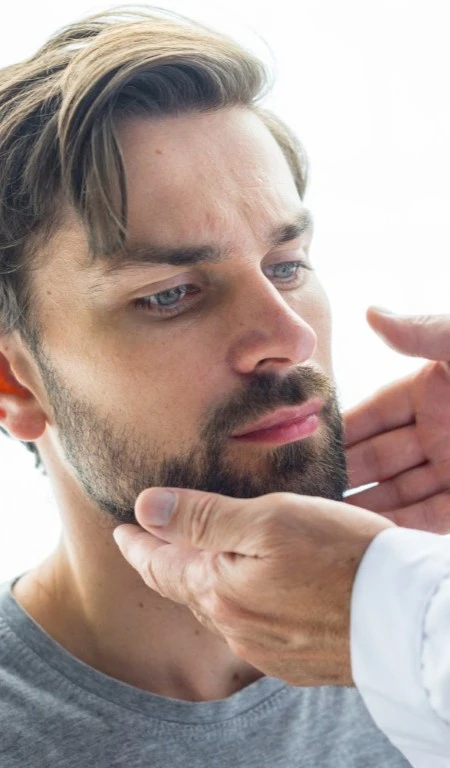
While there is often no permanent “cure” for TMJ disorders, jaw pain treatment focuses on managing symptoms and protecting the joint. Options include:
Nightguard (occlusal splint)
A custom dental appliance that reduces pressure on the TMJ and protects teeth from grinding damage.
Jaw exercises and physiotherapy
Improve joint mobility, relax tense muscles, and reduce stiffness.
Lifestyle adjustments
- Reducing stress, improving posture, and avoiding chewing hard foods or gum.
Botox injections
Provide temporary relief by relaxing overactive jaw muscles, but effects wear off in a few months. Not a long-term solution.
Dental treatments
Correcting bite misalignment, missing teeth, or restoring worn teeth to balance chewing forces.
Medical treatments
Anti-inflammatory medication, relaxation therapy, or sleep studies if sleep apnoea or airway problems are suspected.
Surgery
Reserved only for severe cases where conservative treatments fail.
How to Prevent Jaw Pain
Prevention is always better than treatment. You can reduce your risk of TMJ pain by:
- Seeking early dental advice if you notice tightness, clicking, or mild pain in the jaw
- Wearing a custom-fitted sports mouthguard to protect against trauma
- Using a nightguard if you grind or clench your teeth
- Managing stress through relaxation techniques such as meditation, yoga, or exercise
- Maintaining good posture, especially when working at a desk or using devices
- Avoiding chewing gum or eating overly hard foods frequently
- Jaw pain is often a late-stage symptom of an ongoing problem. Acting early helps prevent permanent damage to the jaw joint.
Book in to see our Expert Dentist for your jaw pain assessment today!
Dental Services
Dental Implants
Implant Retained Dentures
Full Mouth Dental Implants
Invisalign
Clear Aligners
Cosmetic Dentist
Veneers
Sleep Dentistry
Teeth Whitening
Wisdom Tooth
Orthodontics
Jaw Expansion
Tooth Extraction
Dental Crown
Dental Bridge
Root Canal Treatment
General Dentistry
Gum Disease Treatment
Tooth Filling
Teeth Cleaning
Dentures
Sleep Apnoea
Mandibular Advancement Splint (MAS)
TMJ
Occlusal Splint
Mouth Guard
Family Dental
Kids Dental
Silver Diamine Fluoride
Fissure Sealants
Frequently Asked Questions

What is the most common cause of jaw pain?
The most common cause is bruxism (teeth grinding or clenching), often linked with stress, sleep apnoea, or misaligned teeth. It puts excess pressure on the jaw joint and surrounding muscles, leading to pain and stiffness.
Can jaw pain cause headaches?
Yes. TMJ disorders are closely linked with tension headaches and migraines because tight jaw muscles can radiate pain to the head, neck, and shoulders.
How do I know if my jaw pain is serious?
If you experience persistent pain, jaw locking, difficulty chewing, or worsening symptoms, it may indicate a serious TMJ disorder or another medical condition that needs immediate professional assessment.
Can stress cause jaw pain?
Absolutely. Stress is a major trigger for clenching and grinding, which strains the jaw joint and muscles. Learning relaxation techniques and wearing a nightguard can help.
What is the best treatment for jaw pain?
The best treatment depends on the cause. Nightguards, physiotherapy, jaw exercises, and stress management are highly effective. Severe cases may need dental correction or, rarely, surgery.