
What is Snoring?
And why it’s important to talk about it!
Snoring is the hoarse or harsh sound that occurs when air flows past relaxed tissues in your throat, causing the tissues to vibrate as you breathe.
Although snoring is a common problem, it is NOT a normal part of sleep. Snoring indicates that the flow of air through the breathing pipes is being restricted, causing vibrations and noise. Studies have shown that increased vibrations in these areas can increase the risk of plaque formation in the arteries and therefore the chance of stroke and heart attack is also increased. Snoring is also a social issue and many couples actually sleep separately due to the disruptive nature of snoring to others. Untreated, snoring will likely continue to worsen with time and may eventually lead to moments in time where breathing completely stops (sleep apnoea).
Common treatments for snoring includes a Snoring Mouth Guard or using C-PAP machines.

Common Causes
Poor Sleep
Snoring is an indication of poor sleep, so if you wake up feeling tired and visit the toilet in the middle of the night (nocturia), consider getting yourself checked for snoring.
Sleep Disorders
Snoring is often associated with sleep disorders like obstructive sleep apnoea (OSA). OSA occurs when the airway becomes temporarily blocked during sleep, leading to breathing pauses. This interruption can trigger a person to grind their teeth as the body reacts to reopen the airway. Individuals with other sleep disturbances, such as snoring or restless leg syndrome, may also be more prone to bruxism.
Lifestyle Factors
Lifestyle habits such as excessive alcohol consumption, smoking, and recreational drug use can increase the likelihood of snoring. Alcohol, in particular, can affect sleep quality and lead to snoring as it’s a muscle relaxant.
Sign and Symptoms
Mouth Breathing
Breathing through the mouth instead of the nose during sleep can signal airway obstruction.
Reflux or Erosion
Acid reflux, especially at night, can be associated with airway problems. This also often leads to worn teeth and tooth sensitivity.
Jaw pain and headaches
Grinding your teeth puts pressure on the jaw muscles, leading to jaw pain, tightness, or discomfort. Tension headaches, particularly in the morning, due to the strain on the jaw muscles are also a common symptom. These headaches are often described as dull, aching pain around the temples or the sides of the head.
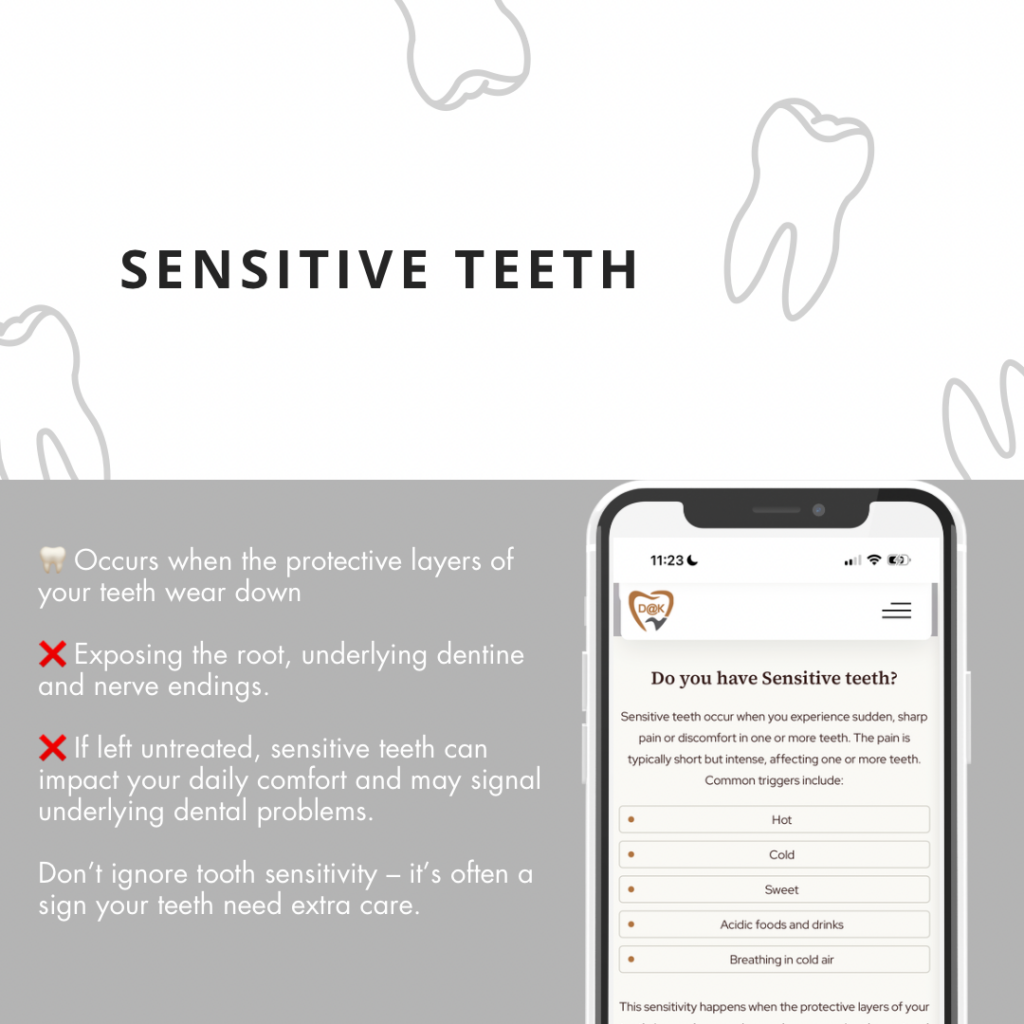
Tooth Sensitivity
The constant grinding motion wears down the enamel on the teeth, making them more sensitive to hot, cold, or sweet foods. This can result in discomfort or pain while eating or drinking. We find on many cases that patient who actively grind their teeth also tend to have a much higher incidence of tooth sensitivity after dental procedures.
Worn dentition
Teeth grinding can cause visible wear on the teeth, including flattening, chipping, or cracking of the tooth surface. Over time, this can weaken the teeth and lead to further damage, such as tooth fractures, teeth sensitivity or even tooth loss.


Treatment for Snoring
While rare snoring or snoring when you are sick and congested may be normal, frequent or loud snoring may indicate an underlying issue such as obstructive sleep apnoea, nasal obstruction, or poor sleep posture.
Lifestyle Changes
- Maintain a healthy weight – Excess weight, especially around the neck, can narrow the airway and increase snoring.
- Sleep on your side – Sleeping on your back may cause the tongue and soft palate to collapse to the back of the throat, restricting airflow.
- Avoid alcohol and sedatives before bed – These relax throat muscles and can worsen snoring.
- Establish a regular sleep routine – Going to bed and waking up at consistent times can improve sleep quality and reduce snoring.
Medical & Dental Treatments
- Oral appliances – Custom-made dental mouthguards reposition the jaw and tongue to keep the airway open during sleep. E.g. Mandibular Advancement Splint (MAS)
- CPAP therapy – Continuous Positive Airway Pressure machines deliver air through a mask to prevent airway collapse, mainly used for sleep apnoea.
- Nasal treatments – Decongestants, nasal dilators, or surgery may be recommended if nasal blockage is a contributing factor.
- Surgical options – In some cases, surgery may be needed to remove excess throat tissue or correct structural issues. This usually involves seeing an ENT medical specialist.
Why See a Dentist for Snoring?
Signs of airway problems can often be detected in the mouth so your dentist is one of the best placed clinicians to alert you to this. Our dentists are trained to identify snoring and airway problems and we can refer you for a Sleep Study to assess if an oral appliance may work for you. If you suffer from frequent snoring or wake up feeling tired, a dental consultation can help determine the right solution for you.
Don't suffer with snoring, there's nothing like getting a good night's rest.
Dental Services
Dental Implants
Implant Retained Dentures
Full Mouth Dental Implants
Invisalign
Clear Aligners
Cosmetic Dentist
Veneers
Sleep Dentistry
Teeth Whitening
Wisdom Tooth
Orthodontics
Jaw Expansion
Tooth Extraction
Dental Crown
Dental Bridge
Root Canal Treatment
General Dentistry
Gum Disease Treatment
Tooth Filling
Teeth Cleaning
Dentures
Sleep Apnoea
Mandibular Advancement Splint (MAS)
TMJ
Occlusal Splint
Mouth Guard
Family Dental
Kids Dental
Silver Diamine Fluoride
Fissure Sealants
Frequently Asked Questions

Why is sleep so important?
Sleep is part of our body’s normal cycle and is paramount to ensuring optimal health. It is the time where our body rejuvenates and our brain function restores.
Why should we fix snoring?
Although snoring is a common problem, it is NOT a normal part of sleep. Snoring indicates that the flow of air through the breathing pipes is being restricted, causing vibrations and noise.
How do I clean my Snoring Mouth Guard?
Just like any other dental appliance – we recommend that you soak it in a denture/plate cleaner and brush it with warm, soapy water on a regular basis.
Will a snoring guard fix my snoring?
The MAS will help manage your snoring but won’t fix it as snoring is a symptom and sign of Sleep Apnoea. It’s important to manage the root cause of your Sleep Apnoea in order to fix it permanently.