
Do you have Bad Breath?
Bad breath, also known as halitosis, is a common yet often embarrassing condition that can affect your confidence and social interactions. While occasional bad breath can happen to anyone, persistent bad breath may indicate an underlying dental or medical problem that needs attention.
Understanding the causes, signs, and treatment options for bad breath is essential to restoring fresh breath and protecting your oral health.

What Causes Bad Breath?
Bad breath can be caused by multiple factors, and sometimes there may be more than one contributing reason:
Dry Mouth (Xerostomia)
Saliva helps wash away bacteria. When your mouth is dry, bacteria thrive, leading to unpleasant odours.
Acid Reflux (GERD)
Gastroesophageal Reflux Disease or GERD if when stomach acid travels up into the throat and creates a foul smell.
Dental Problems
Cavities (dental decay), broken teeth, gum disease, and infected roots (Root canal infection) are major culprits.
Habits
Smoking, vaping, and recreational drugs not only dry out the mouth but also leave long-lasting odours.
Food & Drink
Garlic, onions, coffee, and tea are common triggers.
Poor Oral Hygiene
Inadequate brushing and flossing allow plaque, tartar (calculus), and bacteria to accumulate, causing bad breath.
Mouth Breathing
This dries out the mouth, reducing natural cleansing and encouraging bacterial growth.
Post-Nasal Drip
Mucus from the sinuses draining into the throat can create an unpleasant smell.
Medical Conditions
Diabetes, liver disease, respiratory infections, and other systemic health issues may contribute to halitosis..
How Do I Know if I Have Bad Breath?
Many people discover they have bad breath because a friend, partner, or colleague tells them. Other ways to self-check include:
- Breathing into your cupped hand and smelling your breath.
- Checking if your tongue has a persistent white or yellow coating.
- Noticing a constant dry mouth or unusual taste.
- Your dentist can assess your oral health and habits to identify whether your bad breath is dental-related or linked to another condition.


How to Fix Bad Breath
The right treatment depends on the cause. Some common solutions include:
Dental Treatment
Tooth Fillings for cavities, professional cleaning, and gum treatment (scaling and root planing) if gum disease is present.
Medical Treatment
If reflux, diabetes, or other health conditions are suspected, referral to your GP or a specialist is essential.
Dry Mouth Management
Drink more water, reduce coffee/tea, and use toothpaste and mouthwash without sodium lauryl sulfate (SLS). Dry mouth gels or lozenges may also help.
Addressing Mouth Breathing
Causes such as allergies, nasal blockages, or sleep apnoea should be identified and managed. A sleep study may be needed.
Improved Oral Hygiene
Brushing twice daily, flossing daily, and scheduling regular dental cleans can dramatically reduce bacteria and odour.
Lifestyle Changes
Quitting smoking, vaping, and recreational drug use can significantly improve breath freshness.
Adjuncts such as sugar-free chewing gum and specially formulated mouth rinses can help, but they should not be used as a substitute for proper treatment.
How to Prevent Bad Breath
Preventing bad breath comes down to maintaining excellent oral and general health:
- Brush at least twice daily with fluoride toothpaste.
- Floss or use interdental brushes daily to remove plaque between teeth.
- Replace your toothbrush every 3 months.
- Clean your tongue using a tongue scraper or toothbrush.
- Stay hydrated throughout the day.
- Reduce sugary foods and drinks.
- Avoid smoking and vaping.
- Visit your dentist regularly for check-ups and professional cleaning.
Contact Dental at Keys today so we can help you regain your confidence.
Dental Services
Dental Implants
Implant Retained Dentures
Full Mouth Dental Implants
Invisalign
Clear Aligners
Cosmetic Dentist
Veneers
Sleep Dentistry
Teeth Whitening
Wisdom Tooth
Orthodontics
Jaw Expansion
Tooth Extraction
Dental Crown
Dental Bridge
Root Canal Treatment
General Dentistry
Gum Disease Treatment
Tooth Filling
Teeth Cleaning
Dentures
Sleep Apnoea
Mandibular Advancement Splint (MAS)
TMJ
Occlusal Splint
Mouth Guard
Family Dental
Kids Dental
Silver Diamine Fluoride
Fissure Sealants
Frequently Asked Questions

Can bad breath be permanent?
Not usually. With proper diagnosis and treatment of the underlying cause, bad breath is often manageable or completely curable.
Can stress cause bad breath?
Yes. Stress can reduce saliva flow, leading to dry mouth and an increased risk of bad breath.
Does mouthwash cure bad breath?
Mouthwash may temporarily mask odour, but if an underlying issue exists (such as gum disease or infection), it won’t cure it. Always address the root cause.
Can bad breath be a sign of gum disease?
Yes. Gum disease is one of the leading causes of persistent bad breath, as bacteria in infected gums release unpleasant odours.
When should I see a dentist about bad breath?
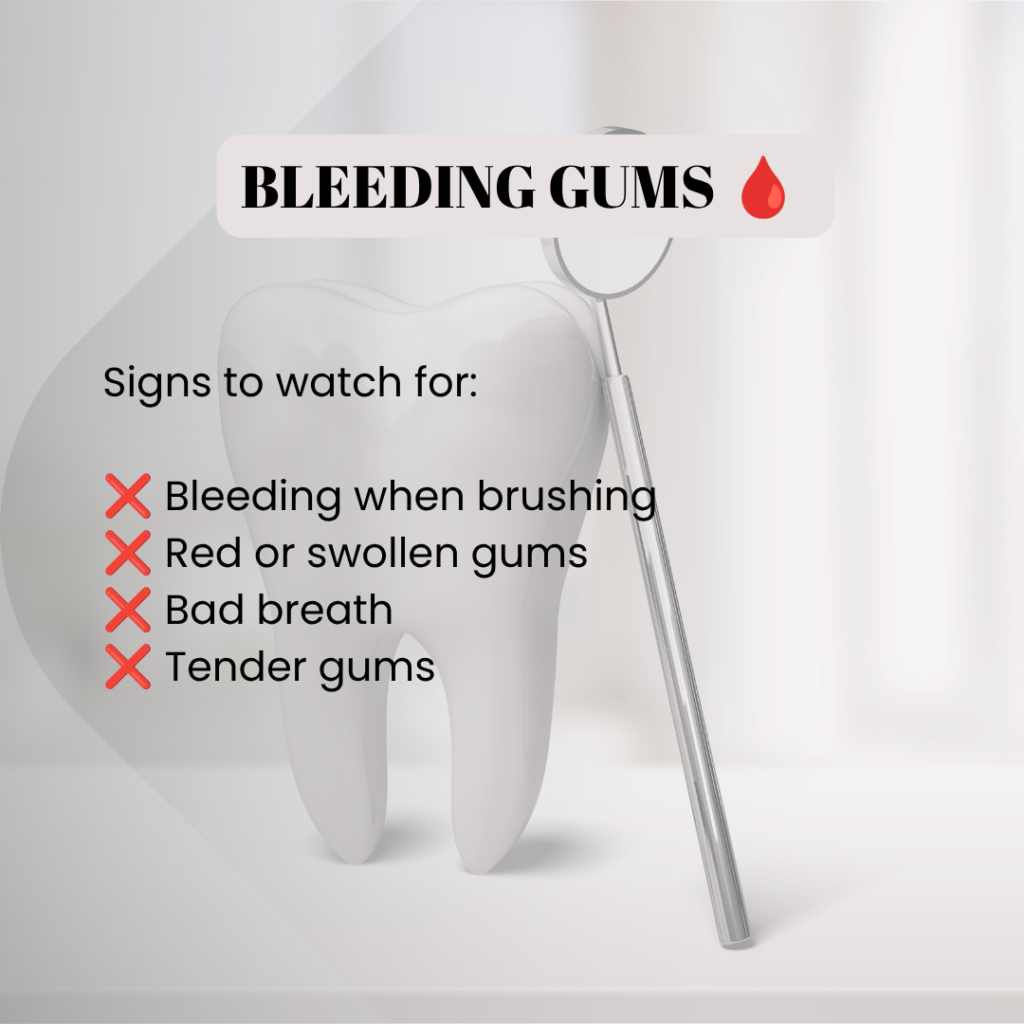
If your bad breath persists despite good oral hygiene, or if it’s accompanied by bleeding gums, tooth pain, or a dry mouth, you should see a dentist promptly.