
What is a Toothache?
A toothache is pain or discomfort in or around a tooth, often caused by dental issues such as tooth decay, gum disease, dental abscesses, or cracked teeth. The pain can range from mild and occasional to severe and constant, sometimes spreading to the jaw, ear, or face.
Toothaches happen when the inner layer of the tooth, called the pulp, becomes inflamed or infected. This pulp contains nerves and blood vessels, so irritation can trigger sharp, throbbing, or aching pain. Common causes include cavities, infection, dental injury, teeth grinding, or even sinus problems.
If you have a toothache, it’s important to see a dentist quickly. At Dental at Keys, our gentle and experienced dental team can identify the cause of your tooth pain and provide fast, effective relief. We offer same-day emergency dental appointments wherever possible in Keysborough to help you get back to feeling comfortable as soon as possible.

Common Causes of Toothache
The most common causes of toothache include:
Tooth decay (cavities)
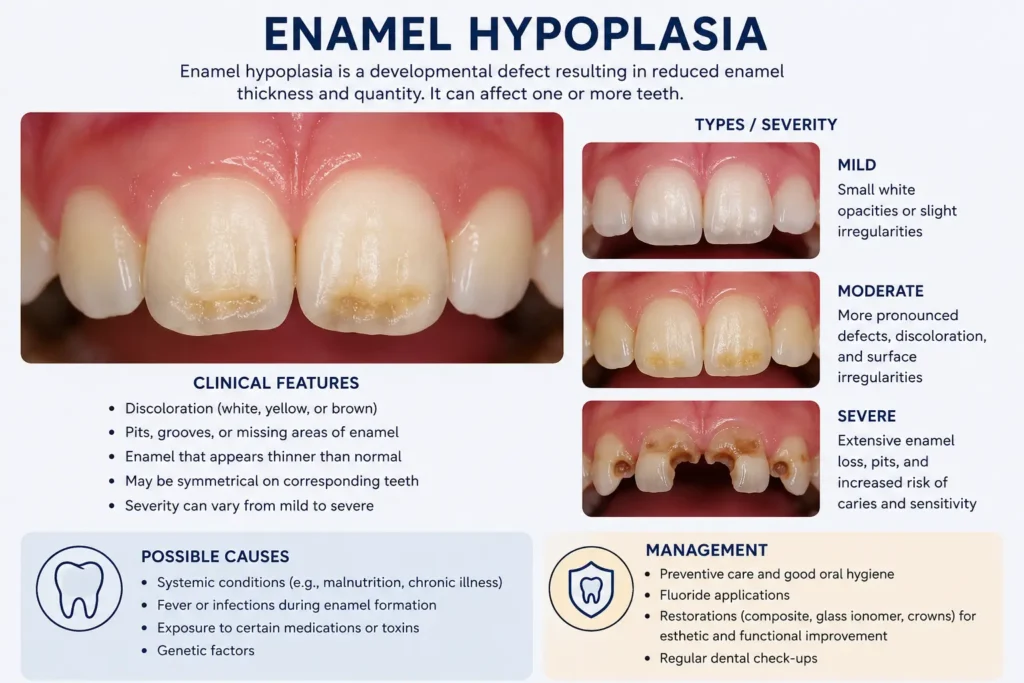
Bacteria damage the tooth enamel, exposing the sensitive inner layers.
Dental abscess
A pocket of pus caused by bacterial infection, leading to intense, persistent pain.
Gum disease (gingivitis or periodontitis)
Infected gums can cause pain that feels like it’s coming from the teeth. There may also be a gum abscess present.
Cracked or fractured tooth
Breaks in the tooth allow bacteria and irritants to reach the nerve.
Teeth grinding (bruxism)
Can cause aching teeth and jaw pain.
Impacted wisdom teeth
Can cause swelling, pressure, and pain in the back of the mouth.
Sinus infection
Sinus infection – Pressure in the sinuses can sometimes cause tooth pain, especially in the upper teeth.
If you have a toothache or jaw pain or a swelling, see your dentist promptly. Early treatment can prevent more serious dental issues.
Signs and Symptoms of a Toothache
A toothache can feel different for everyone, ranging from mild discomfort to severe, throbbing pain. Recognising the signs early can help you seek dental care before the problem worsens.
Common signs and symptoms include:
- Sharp, throbbing, or constant tooth pain
- Pain that worsens when chewing or biting
- Sensitivity to hot, cold, or sweet foods and drinks
- Swelling around the tooth or in the jaw
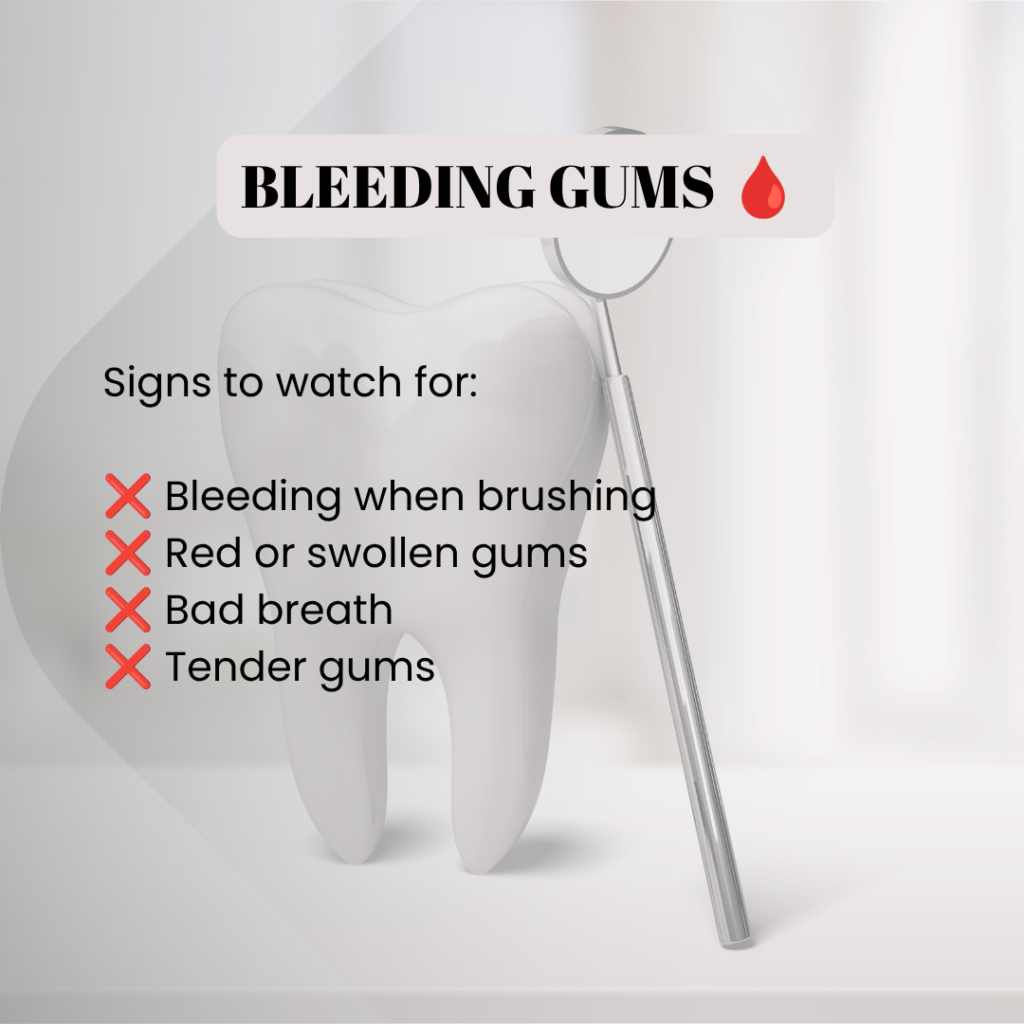
- Red, swollen, or bleeding gums
- Pain that radiates to the ear, jaw, or neck
- Bad taste in the mouth or bad breath (may indicate infection)
- Fever or general feeling of being unwell (if infection is present)
Untreated toothaches and swellings have the potential to become life threatening so it is important to treat it seriously and with urgency.


Treatment for a Toothache
t’s important to remember that toothache is a symptom, not the problem itself—long-term relief requires treating the underlying cause, which only a dentist can diagnose properly.
Dental Fillings
If the toothache is caused by a cavity, your dentist will remove the decay and place a filling.
Root Canal Treatment
For infections inside the tooth or nerve damage, a root canal may be required to save the tooth.
Tooth Extraction
If the tooth is too damaged or infected to be restored, removal may be necessary.
Gum Disease Treatment
Scaling and root planing or other periodontal treatments can relieve pain caused by gum infections.
Dental Crown
If the tooth is cracked or weakened, a crown can protect and restore function.
Night Guard
If grinding (bruxism) is the cause, a custom night guard (occlusal splint) can protect teeth and reduce pain.
Prevention tips for Toothaches
The best way to avoid toothaches is to stop it before it starts. Good oral hygiene and healthy lifestyle choices make all the difference:
- Brush twice a day with fluoride toothpaste to remove plaque and strengthen enamel.
- Floss daily to clean between teeth where a toothbrush can’t reach.
- Limit sugary and acidic foods/drinks like soft drinks, lollies, and fruit juices.
- Drink plenty of water, especially after meals, to wash away food particles.
- Have regular dental check-ups and cleans so your dentist can detect early signs of decay and infection before they worsen.
- Use dental sealants for added protection on molars, especially in children.
Dental Services
Dental Implants
Implant Retained Dentures
Full Mouth Dental Implants
Invisalign
Clear Aligners
Cosmetic Dentist
Veneers
Sleep Dentistry
Teeth Whitening
Wisdom Tooth
Orthodontics
Jaw Expansion
Tooth Extraction
Dental Crown
Dental Bridge
Root Canal Treatment
General Dentistry
Gum Disease Treatment
Tooth Filling
Teeth Cleaning
Dentures
Sleep Apnoea
Mandibular Advancement Splint (MAS)
TMJ
Occlusal Splint
Mouth Guard
Family Dental
Kids Dental
Silver Diamine Fluoride
Fissure Sealants
Frequently Asked Questions

What happens if a toothache is left untreated?
It is never a good idea to leave anything untreated. A toothache can lead to serious complications, such as the spread of the infection to other parts of the body, including the jaw, neck, and even the brain. In rare cases, untreated abscesses can cause life-threatening conditions like Ludwig’s Angina.
Can a toothache go away on its own?
Generally speaking, no, if it’s due to a dental tooth infection. While the pain may temporarily subside if the abscess “bursts”, the infection remains and can worsen over time. Prompt dental treatment is required to eliminate the infection and prevent further complications.
In some cases, a toothache is could be due to pulpal inflammation and this may “go away on its own” if the pulpal tissues of the tooth are able to heal adequately
How can I relieve toothache pain at home?
The best remedy for a dental tooth ache is to seek dental treatment as soon as possible. Whilst you wait for treatment, some remedies including rinsing your mouth with warm salt water, taking pain medication and applying a cold compress to the affected area may temporarily help with symptoms
Anti-inflammatory gels applied topically in the tooth ache area may help if the pain is more related to the gums. If it is due to a tooth, it is unlikely to help. There is no scientific evidence supporting the use of clove oil but some report it helps temporary relief from pain.