
Missing Teeth Treatment at Dental at Keys
Whether replacement is needed depends on how many teeth are missing, where the gaps are located, and your overall dental and medical history.
At Dental at Keys, we assess every case individually and recommend the most appropriate long-term solution to restore your smile and oral health.
Common Causes of Missing Teeth
There are many reasons why patients experience missing teeth, including:
Tooth Decay and Cavities
Severe or untreated decay can infect the inside of the tooth. While root canal treatment may save some teeth, others may need removal if the damage is extensive.
Gum Disease
Advanced gum disease can destroy the bone and tissues supporting your teeth. Over time, affected teeth may loosen, become infected and require extraction.
Grinding or Clenching
Excessive grinding can cause fractures. Severely damaged teeth may need removal, which is why early management of clenching or grinding is essential.
Dental Trauma or Medical Conditions
Accidents, falls or sporting injuries can fracture or dislodge teeth beyond repair. Certain medical conditions, such as cancer treatment, may also require tooth removal in affected areas.
Genetics
Some people are born missing certain teeth. This often runs in families and commonly involves wisdom teeth or premolars.
Planned Tooth Removal
In some orthodontic cases, teeth may be removed to relieve crowding and improve alignment. While less common today due to expansion techniques, it is sometimes still necessary.
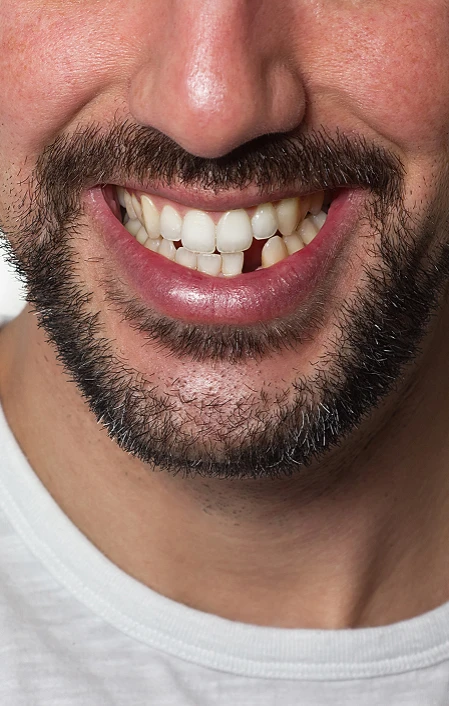

Problems Caused by Missing Teeth
Every tooth plays an important role in chewing, speech and maintaining a healthy bite. When a missing tooth is left untreated, changes can occur throughout the mouth.
Neighbouring teeth may shift into the gap, while the opposing tooth can over-erupt into the space. This alters your bite and increases stress on the remaining teeth, raising the risk of fractures and further tooth loss.
Other complications linked to missing teeth include:
Bone loss and gum recession around the gap
Difficulty chewing nutritious foods
Speech changes
Reduced confidence when smiling
Sunken cheeks or lips when multiple teeth are missing
Collapse of the bite height, which may contribute to jaw problems and infections around the mouth
Replacing missing teeth early can help prevent many of these long-term issues.
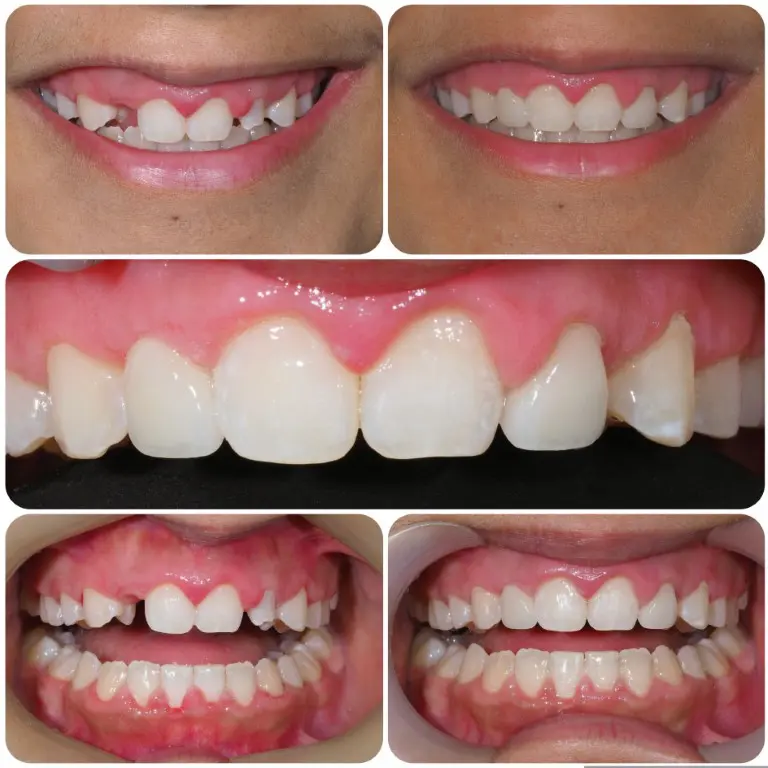
How to Fix Missing Teeth
There are several tooth replacement options available depending on your clinical needs, preferences and budget.
Dental Implants
Dental implants are widely regarded as the gold standard for replacing missing teeth. A titanium post is placed into the jawbone and restored with a natural-looking crown.
Implants can replace a single missing tooth, several teeth, or even an entire arch using implant-supported bridges or overdentures. They also help preserve jawbone structure.
Dental Bridges
Bridges are commonly used when one or two teeth are missing. They rely on neighbouring teeth for support and are joined together with a fixed restoration. Bridges are an excellent option when implants are not suitable or preferred.
Dentures
Dentures are removable appliances used to replace some or all missing teeth. While they are often more affordable, they can feel bulky and may move during eating or speaking. Dentures are typically recommended when multiple teeth are missing.
Retainers or Space Maintainers
If you are not planning to replace a missing tooth immediately, a retainer may be advised to prevent nearby teeth from drifting and altering your bite.

How to Prevent Missing Teeth
The best way to manage missing teeth is to prevent tooth loss whenever possible. Early diagnosis and prompt treatment give you the best chance of keeping your natural teeth.
We recommend:
Regular dental check-ups and X-rays
Treating cavities and broken teeth early
Brushing twice daily and flossing every day
Maintaining a balanced diet low in sugar and acidic foods
Managing gum disease promptly
There is nothing better than preserving your natural teeth for life.
If you have a missing tooth or are concerned about gaps in your smile, contact Dental at Keys today to book a consultation and discuss your tooth replacement options.
Dental Services
Dental Implants
Implant Retained Dentures
Full Mouth Dental Implants
Invisalign
Clear Aligners
Cosmetic Dentist
Veneers
Sleep Dentistry
Teeth Whitening
Wisdom Tooth
Orthodontics
Jaw Expansion
Tooth Extraction
Dental Crown
Dental Bridge
Root Canal Treatment
General Dentistry
Gum Disease Treatment
Tooth Filling
Teeth Cleaning
Dentures
Sleep Apnoea
Mandibular Advancement Splint (MAS)
TMJ
Occlusal Splint
Mouth Guard
Family Dental
Kids Dental
Silver Diamine Fluoride
Fissure Sealants
Frequently Asked Questions

How Can I Fix Missing Teeth Without Implants?
If dental implants are not suitable or preferred, bridges and dentures may be appropriate alternatives. The best option depends on how many teeth are missing and their location.
Can Veneers Be Used to Close Gaps from Missing Teeth?
In very small spaces, veneers may sometimes disguise the gap. However, this is usually not ideal for larger gaps, as it can create teeth that appear too wide or unnatural.
What Is the Cheapest Option for Replacing Missing Teeth?
Acrylic dentures are generally the most affordable option, though they may feel bulky. A cobalt-chrome partial denture is often a more durable and comfortable long-term budget option.
What Happens If I Don’t Replace a Missing Tooth?
Leaving a gap can cause teeth to shift, bone loss, bite changes and increased stress on surrounding teeth. Over time, this may lead to further tooth loss and jaw problems.
How Soon Should I Replace a Missing Tooth?
Ideally, a missing tooth should be replaced once healing is complete. Early treatment helps prevent bone loss, tooth movement and changes to your bite.