
What is a Dry Mouth?
Dry mouth, also known as xerostomia, occurs when your salivary glands do not produce enough saliva to keep your mouth moist. Saliva is essential for maintaining oral health, as it helps wash away food particles, neutralises acids, and prevents harmful bacteria from building up. When saliva flow decreases, it can lead to bad breath, tooth decay, gum disease, and difficulty speaking or swallowing.
Understanding the causes, symptoms, and treatment options for dry mouth is key to preventing further dental and health problems.
What Causes Dry Mouth?
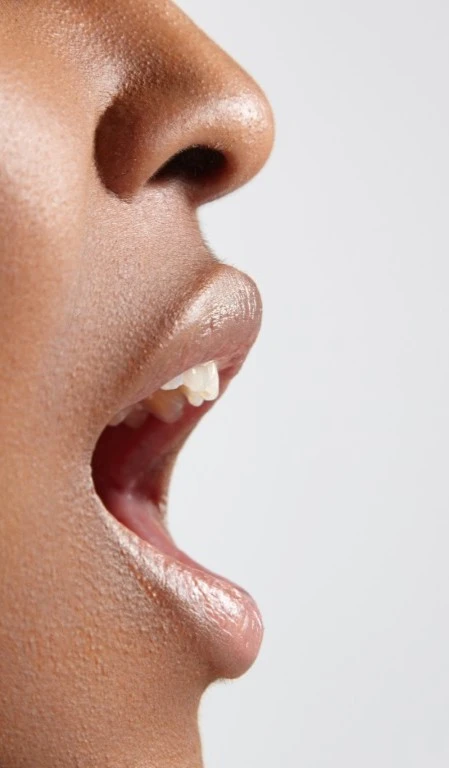
There is rarely just one cause of dry mouth. Instead, multiple factors often contribute, including:
Lifestyle and Habits
Not drinking enough water, smoking, vaping, using recreational drugs, or consuming too many caffeinated or alcoholic drinks.
Medical Conditions
- Sjogren’s Syndrome – an autoimmune condition that damages salivary glands and can cause severe dry mouth.
- Salivary gland disorders or cancers – which directly affect saliva production.
- Diabetes – elevated blood sugar levels can reduce saliva flow.
- Radiation therapy to the head and neck – which may permanently damage salivary glands.
Medications
Many prescription and over-the-counter medications list dry mouth as a side effect. These include antihistamines, antidepressants, anti-anxiety drugs, decongestants, and pain medications.
Mouthbreathing
Breathing through the mouth can dry your mouth out. This can be related to habits, nasal obstruction or sleep disorders.
Symptoms of Dry Mouth
Dry mouth can range from mild discomfort to a condition that seriously impacts daily life. Common symptoms include:
- A constant dry, sticky feeling in the mouth.
- Chapped lips or cracks at the corners of the mouth.
- Bad breath (halitosis).
- Difficulty chewing, swallowing, or speaking.
- A burning sensation in the mouth or tongue.
- Altered taste or loss of taste.
- Increased risk of tooth decay, gum disease, and oral infections such as thrush.

How to Manage a Dry Mouth
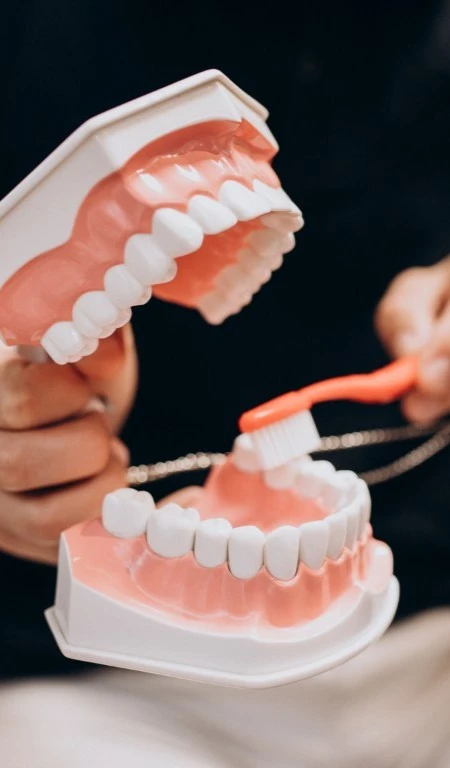
The right management depends on the underlying cause. Some effective strategies include:
Lifestyle and Diet Changes
- Drink plenty of water throughout the day.
- Avoid alcohol, caffeine, and sugary drinks, which dry out the mouth.
- Quit smoking and vaping.
Oral Care Products
- Use gentle, alcohol-free mouth rinses and fluoride toothpaste without sodium lauryl sulfate (SLS), as SLS can worsen dryness.
- Try saliva substitutes such as gels, sprays, or lozenges designed for dry mouth relief.
Medical Treatment
- Reviewing your sleep and airway and ensuring that is not contributing to a Dry Mouth
- Speak with your GP if your medications are causing dry mouth — in some cases, alternatives may be available.
- Ask your dentist about prescription rinses or fluoride treatments to protect your teeth.
- If dry mouth is linked to conditions such as Sjogren’s Syndrome, diabetes, or radiation therapy, your medical professional can tailor a long-term management plan.
Preventing Dry Mouth
While some causes of dry mouth cannot be avoided (e.g., medical treatments), you can reduce your risk and protect your oral health by:
- Maintaining excellent oral hygiene — brushing twice daily and flossing.
- Using a humidifier at night to add moisture to the air.
- Chewing sugar-free gum to stimulate saliva flow.
- Keeping regular dental check-ups to detect early signs of tooth decay, gum disease, or oral infections.
- Staying hydrated and following a balanced diet that supports overall health.
Contact Dental at Keys today!
Dental Services
Dental Implants
Implant Retained Dentures
Full Mouth Dental Implants
Invisalign
Clear Aligners
Cosmetic Dentist
Veneers
Sleep Dentistry
Teeth Whitening
Wisdom Tooth
Orthodontics
Jaw Expansion
Tooth Extraction
Dental Crown
Dental Bridge
Root Canal Treatment
General Dentistry
Gum Disease Treatment
Tooth Filling
Teeth Cleaning
Dentures
Sleep Apnoea
Mandibular Advancement Splint (MAS)
TMJ
Occlusal Splint
Mouth Guard
Family Dental
Kids Dental
Silver Diamine Fluoride
Fissure Sealants
Frequently Asked Questions

Is dry mouth dangerous?
While dry mouth itself isn’t always dangerous, it increases your risk of tooth decay, gum disease, and oral infections, making proper management very important.
Can dry mouth go away on its own?
If dry mouth is caused by temporary factors (such as dehydration), it may resolve once you rehydrate. However, chronic dry mouth linked to medications or health conditions usually requires ongoing management.
What is the best mouthwash for dry mouth?
Alcohol-free mouthwashes and products specifically formulated for dry mouth are best. Your dentist can recommend suitable options.
Can anxiety or stress cause dry mouth?
Yes. Stress and anxiety can reduce saliva flow, leading to temporary dry mouth. This is why some people notice it during stressful situations.
When should I see a dentist or doctor for dry mouth?
If your dry mouth is persistent, affecting your quality of life, or leading to dental problems such as cavities or gum disease, you should seek professional help.