
Crowded Teeth
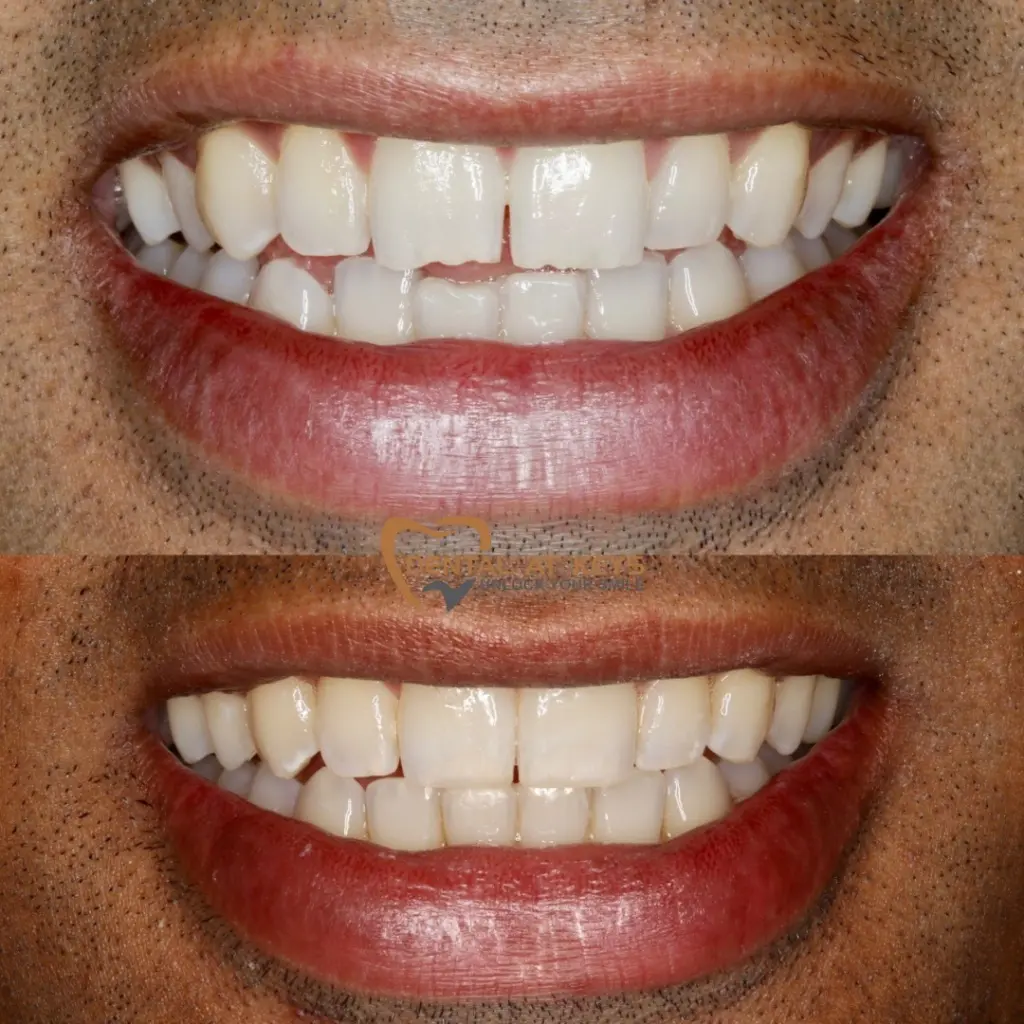
Crowded teeth occur when there isn’t enough space in the jaw for teeth to sit in proper alignment. This results in overlapping, twisting, or teeth being pushed out of position. The severity of dental crowding can range from mild to severe, and whether or not treatment is needed depends on the degree of crowding and its impact on your oral health.

Why Do I Have Crowded Teeth?
There isn’t a single cause of crowded teeth — often, it’s a combination of genetic, developmental, and environmental factors. Some of the most common reasons include:
Genetics
The size and shape of your jaw is largely inherited. A small jaw or larger teeth can lead to misalignment.
Airway and breathing issues
Chronic mouth breathing, poor nasal airflow, or open-mouth posture during sleep can cause the jaws to develop narrowly.
Narrow Jaws
A small or underdeveloped jaw doesn’t leave enough space for teeth to align properly.
Childhood habits
Prolonged thumb sucking, dummy use, or extended bottle feeding can alter jaw development. A tongue thrust swallowing pattern can also push teeth out of place.
Should I Be Concerned About Crowded Teeth?
Not all cases of crowding require treatment, but it’s important to know when it may cause problems:
- Mild crowding – Slightly crooked teeth are quite common, especially in the late teens and early 20s. If the appearance doesn’t bother you and gum health isn’t affected, minor crowding may not be a concern.
- Moderate to severe crowding – More significant crowding can lead to oral health issues such as:
- Incorrect bite alignment, leading to jaw strain or airway concerns
- Teeth in crossbite, which can cause premature wear on opposing teeth
- Teeth sitting outside the jawbone, increasing the risk of gum recession
- Difficulty cleaning between teeth, which raises the risk of tooth decay and gum disease
- Incorrect bite alignment, leading to jaw strain or airway concerns
If crowding is impacting your oral health or confidence, it should be assessed by a Dental Professional.


How to Fix Crowded Teeth
The primary treatment for crowded teeth is orthodontics, which gradually moves teeth into the correct position. Treatment options include:
Clear Aligners (e.g. Invisalign)
A discreet, removable option that straightens teeth using clear trays.
Traditional Braces
Brackets and wires are used to correct crowding and complex bite problems.
Jaw Expanders Plates (fixed or removable)
In children and teenagers, these can widen a narrow jaw, changing a “V-shaped” arch into a broader “U-shaped” arch.
Veneers
In cases where only aesthetics are a concern, veneers can mask mild crowding. However, orthodontics is the healthier and longer-lasting solution.
Preventing Crowded Teeth
The best prevention comes from early intervention during childhood. Once you are an adult, prevention is limited, but you can still manage contributing factors.
In children:
- Encourage nasal breathing to support healthy jaw development.
- Address mouth breathing or airway issues early with a dental or medical assessment.
- Stop dummy and bottle use before 12 months of age.
- Transition to open cups and proper swallowing habits early.
- Where possible, breastfeeding supports natural jaw and muscle development.
In adults:
- Focus on maintaining good oral hygiene to reduce risks associated with crowded teeth.
- Seek orthodontic advice if crowding is severe or affecting your bite, gums, or confidence.
Contact our team today to discuss your options!
Dental Services
Dental Implants
Implant Retained Dentures
Full Mouth Dental Implants
Invisalign
Clear Aligners
Cosmetic Dentist
Veneers
Sleep Dentistry
Teeth Whitening
Wisdom Tooth
Orthodontics
Jaw Expansion
Tooth Extraction
Dental Crown
Dental Bridge
Root Canal Treatment
General Dentistry
Gum Disease Treatment
Tooth Filling
Teeth Cleaning
Dentures
Sleep Apnoea
Mandibular Advancement Splint (MAS)
TMJ
Occlusal Splint
Mouth Guard
Family Dental
Kids Dental
Silver Diamine Fluoride
Fissure Sealants
Frequently Asked Questions

What problems can crowded teeth cause?
Crowded teeth make cleaning difficult, increasing the risk of cavities, gum disease, and bad breath. They can also cause uneven wear, jaw pain, and gum recession.
Can crowded teeth fix themselves?
No. Once teeth have become crowded, they won’t naturally straighten on their own. Orthodontic treatment is the only way to correct alignment.
Do I need braces if I only have mild crowding?
Not always. If mild crowding doesn’t affect your bite, gum health, or confidence, treatment may not be necessary. However, many patients choose orthodontics for cosmetic reasons.
Are clear aligners effective for crowded teeth?
Yes. Clear aligners like Invisalign can effectively treat mild to moderate crowding. Severe cases may require braces or additional orthodontic appliances.
At what age should crowding be assessed?
Early assessment is key and crowding can be identified in children as young as a few years old. Bite issues that develop in their baby teeth can have effects on their adult teeth as well. Early assessment allows for growth modification, which can prevent more complex issues later. Adults can also seek treatment at any age.