Crooked Teeth
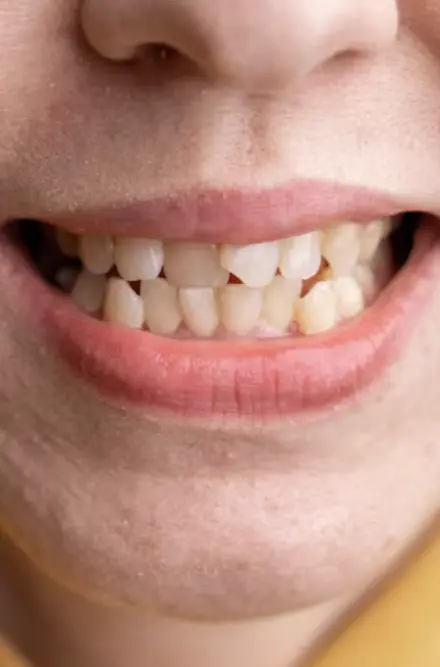
Crooked teeth, also known as misaligned teeth, are a very common dental concern that affects both children and adults. They occur when there isn’t enough space in the jaw for teeth to grow and align properly.
While crooked teeth don’t always cause pain, they can make teeth harder to clean, increasing the risk of plaque build-up, gum disease, tooth decay, and uneven wear. Crooked or misaligned teeth can also impact your bite, appearance, and self-confidence.
The good news is that crooked teeth can be treated at any age, though early intervention often leads to the best outcomes.
What Causes Crooked Teeth?
Crooked teeth usually develop due to a narrow or restricted jaw that doesn’t provide enough space for teeth to fit correctly. Common causes include:
Genetics
A narrow jaw or crowded teeth often run in families.
Airway and breathing issues
Mouth breathing (instead of nasal breathing) can lead to an elongated, narrow jaw and poor tongue posture.
Early loss of baby teeth
If baby teeth are lost too early, adult teeth may drift into the wrong positions, reducing space for proper alignment.
Childhood habits
Thumb sucking, prolonged dummy use, or extended bottle-feeding can all affect jaw and dental development.
Poor tongue posture
Incorrect swallowing habits can push teeth out of alignment.
Symptoms of Crooked, Misaligned Teeth
Crooked teeth may be more than just a cosmetic concern. Signs and symptoms can include:
- Difficulty cleaning between teeth due to overlapping or crowding
- Increased plaque build-up, tartar, and gum inflammation
- Uneven wear or chipping of teeth from a misaligned bite
- A bite that feels “off” or doesn’t fit together properly
- Reduced confidence or dissatisfaction with appearance

How to Fix Crooked Teeth
The best treatment for crooked teeth depends on the severity of crowding, age of the patient, and jaw development.
Orthodontic Treatment Options:
Clear Aligners (e.g. Invisalign)
A discreet option using removable trays to gradually shift teeth into alignment.
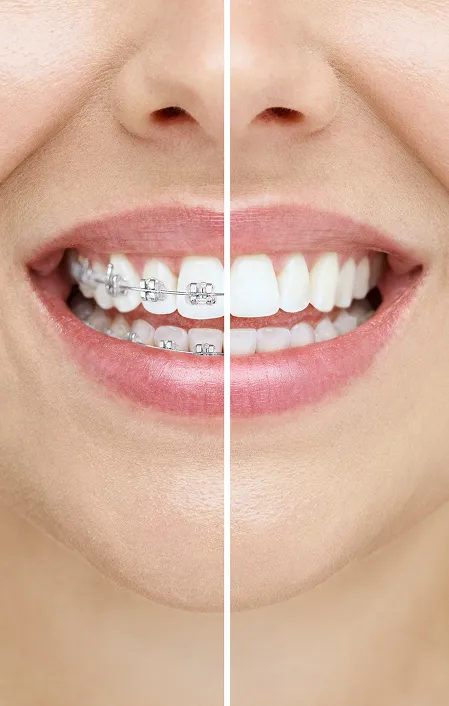
Braces
Traditional metal or ceramic braces remain a highly effective solution for moderate to severe crowding.
Jaw Expanders (fixed or removable)
Used in narrow jaws to create more space. More effective when younger.
Orthognathic surgery
For severe jaw discrepancies, surgery may be required in combination with orthodontics. These cases are generally referred to a specialist for treatment.
Early Treatment (Interceptive Orthodontics)
In children, early treatment can prevent more complex problems later. Expanding the jaw at a young age allows adult teeth to erupt more naturally and may avoid extraction or surgical options in the future.
Cosmetic Dental Options:
Veneers or crowns
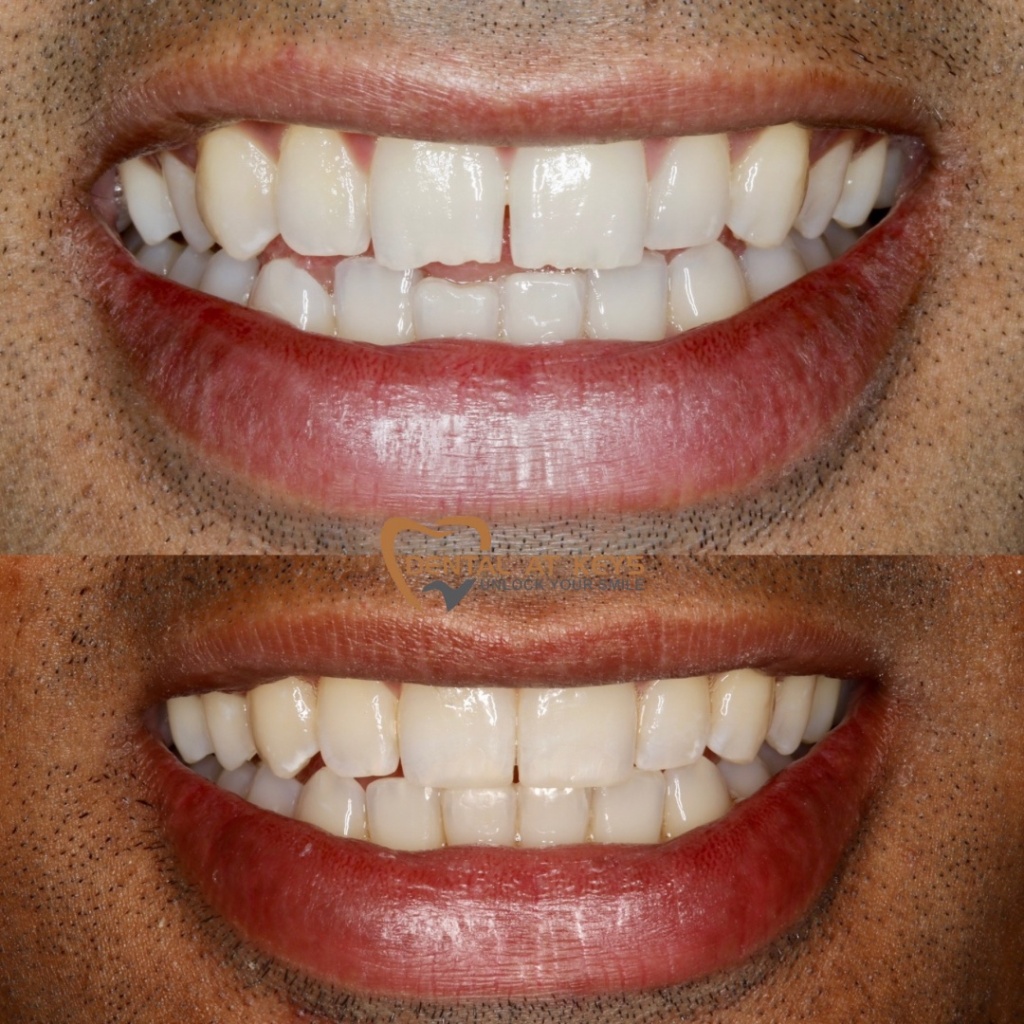
In some cases, dental veneers (tooth bonding) can “mask” minor crookedness, though this does not correct the underlying alignment. Orthodontics remains the ideal long-term solution.
Sometimes a combination of Orthodontic and Cosmetic treatments need to be consider. An example would be a patient with severely crowded, yellow, chipped teeth. This patient ideally would need to consider Whitening, teeth straightening (eg. Invisalign) and finally, Veneers.
Prevention of Crooked Teeth
Preventing crooked teeth begins with encouraging healthy oral habits from infancy:
- Breastfeeding where possible: Promotes correct swallow and tongue position for jaw development.
- Breaking habits early: Stop dummy use before 12 months and discourage thumb sucking to avoid bite problems.
- Avoid bottles after age 1: Transition children to open cups to support proper oral growth.
- Encourage nasal breathing: If a child has nasal obstruction or sleep issues, get them assessed early by a dentist or doctor.
- Regular Dental Check Ups: Seeing your Dentist regularly can help identify crowding or misalignment before it becomes severe.
Let's get those misaligned teeth straighter than ever with our expert help!
Dental Services
Dental Implants
Implant Retained Dentures
Full Mouth Dental Implants
Invisalign
Clear Aligners
Cosmetic Dentist
Veneers
Sleep Dentistry
Teeth Whitening
Wisdom Tooth
Orthodontics
Jaw Expansion
Tooth Extraction
Dental Crown
Dental Bridge
Root Canal Treatment
General Dentistry
Gum Disease Treatment
Tooth Filling
Teeth Cleaning
Dentures
Sleep Apnoea
Mandibular Advancement Splint (MAS)
TMJ
Occlusal Splint
Mouth Guard
Family Dental
Kids Dental
Silver Diamine Fluoride
Fissure Sealants
Frequently Asked Questions

Can crooked teeth cause dental problems?
It will not cause the problems but they can increase the risk of plaque build-up, tooth decay, gum disease, and uneven tooth wear because they are harder to clean effectively.
What is the best age to fix crooked teeth?
The best time to treat crooked teeth is usually during childhood or teenage years, when the jaw is still developing. However, adults of any age can successfully straighten teeth with braces or clear aligners.
Do crooked teeth get worse over time?
Yes, they often do. Teeth can shift gradually throughout life due to natural movement, tooth loss, or jaw changes. Without treatment, crowding may worsen and lead to more dental issues.
Can crooked teeth be fixed without braces?
Mild cases may be improved with clear aligners or cosmetic dentistry (veneers, tooth bonding), but moderate to severe cases typically require orthodontics for the best results.
How long does it take to straighten crooked teeth?
Treatment time depends on the severity of misalignment and the method used. On average, clear aligners and braces take between 12 to 24 months, though minor cases may be treated in as little as 6 months.