
What is a Gum infection?
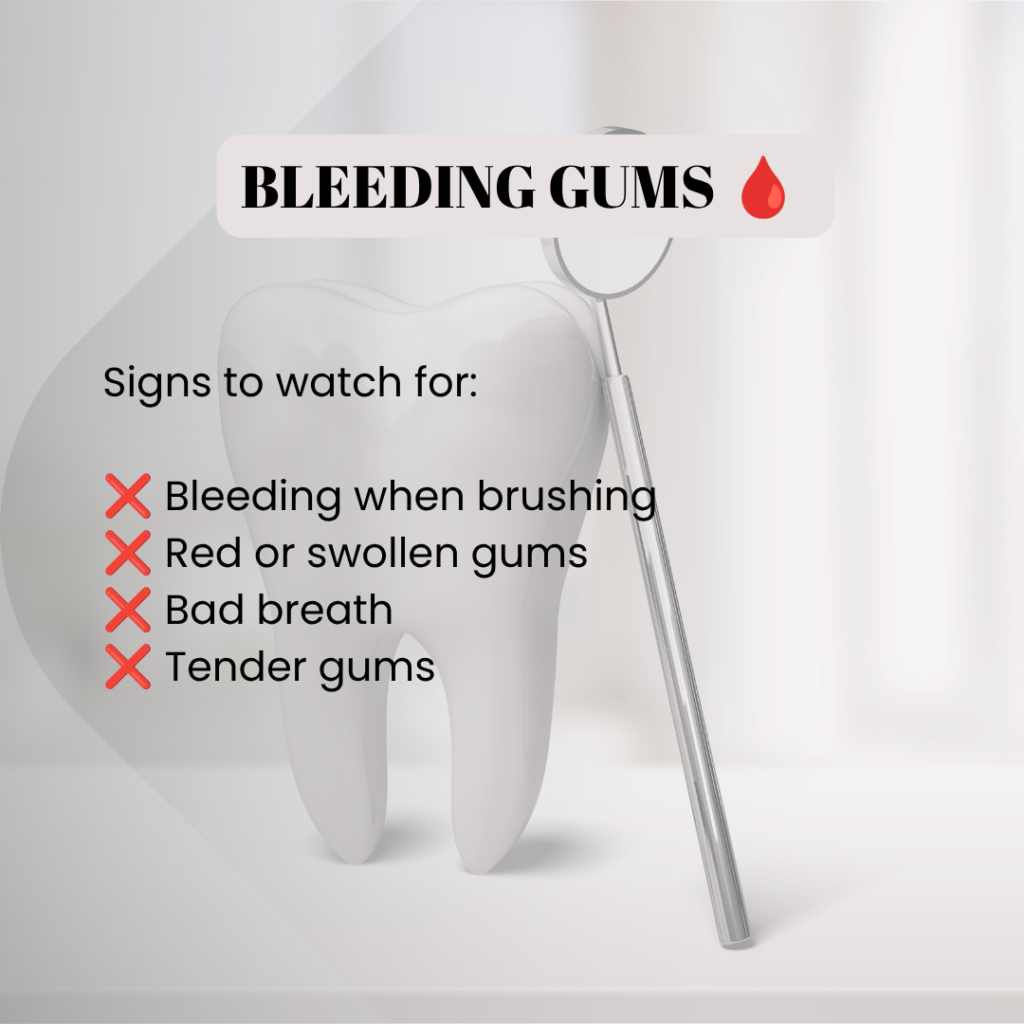
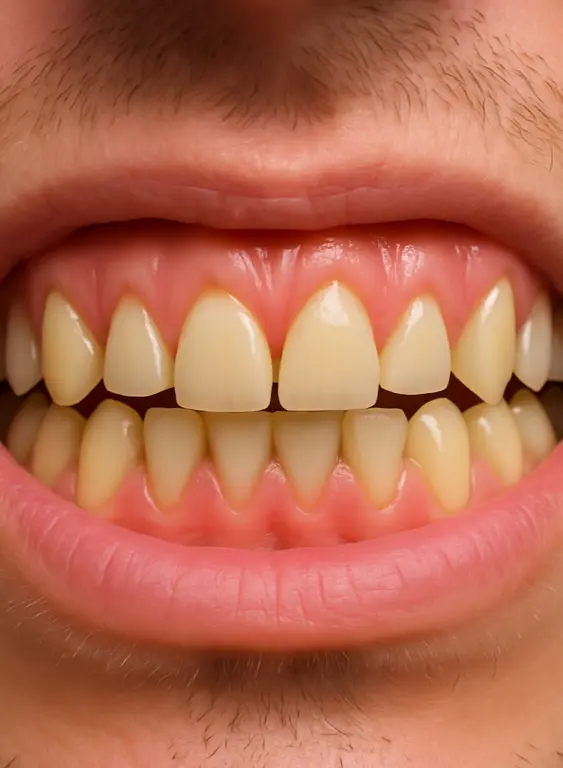
Gum infections are painful and often serious oral health problems. They can cause redness, swelling, bleeding, and pus around the gums. If left untreated, gum infections may spread and lead to severe complications.

What Causes a Gum Infection?
A gum infection can develop for several reasons. The most common causes include:
Gum disease (gingivitis or periodontitis)
Poor oral hygiene allows plaque and tartar to build up, leading to gum infection.
Wisdom teeth impaction (pericoronitis)
When wisdom teeth are partially trapped under the gums, they can cause swelling and infection.
Viral infections
Viral Infection such as primary herpetic gingivostomatitis, which leads to painful sores in the mouth.
Medication side effects
Some medications cause gum overgrowth, trapping plaque and bacteria that trigger infection.
Signs and Symptoms of Gum Infections
Recognising a gum infection early is key to getting proper treatment. Common symptoms include:
- Red, swollen gums
- Excessive bleeding when brushing or flossing
- A bad taste in the mouth (caused by pus)
- Gum pain or tenderness
- Soft swelling around the gumline
- Difficulty opening the mouth or speaking (in severe cases)

How to Treat a Gum Infection
Treatment depends on the underlying cause of the infection:
Gum disease-related infections
Deep cleaning (periodontal debridement) under local anaesthetic to remove plaque and tartar. In severe cases, root canal treatment may be needed if the infection spreads to the tooth nerve.
Wisdom teeth infections
Often treated by removing the impacted tooth. In some cases, the gum flap covering the tooth may be surgically removed. Rarely, orthodontic treatment may reposition the tooth.
Viral gum infections
These usually resolve within 2–3 weeks. Supportive care includes saltwater rinses, a soft diet, avoiding spicy or acidic foods, and using topical gels for pain relief. If infections occur often, further investigation is needed.
Medication-related gum problems
Medications can cause gum overgrowth, making cleaning difficult. Working with your GP or dentist can help manage or adjust medications to reduce infection risk.
How to Prevent Gum Infections
Prevention is the best approach to protecting your gum health. Simple steps include:
- Brush twice daily with a soft toothbrush and floss once a day.
- Visit your dentist every 6 months (or more often if you have gum disease).
- Get professional dental cleans to remove tartar and plaque buildup.
- Check your wisdom teeth early to avoid infections or impaction issues.
- Discuss medications with your GP if they are affecting your gums.
- Look after your general health – a strong immune system lowers your risk of gum and viral infections.
Contact Dental at Keys today to book an appointment and restore your gum health.
Dental Services
Dental Implants
Implant Retained Dentures
Full Mouth Dental Implants
Invisalign
Clear Aligners
Cosmetic Dentist
Veneers
Sleep Dentistry
Teeth Whitening
Wisdom Tooth
Orthodontics
Jaw Expansion
Tooth Extraction
Dental Crown
Dental Bridge
Root Canal Treatment
General Dentistry
Gum Disease Treatment
Tooth Filling
Teeth Cleaning
Dentures
Sleep Apnoea
Mandibular Advancement Splint (MAS)
TMJ
Occlusal Splint
Mouth Guard
Family Dental
Kids Dental
Silver Diamine Fluoride
Fissure Sealants
Frequently Asked Questions

What are the first signs of a gum infection?
Early signs include red or swollen gums, bleeding when brushing or flossing, bad breath, and tenderness. As the infection worsens, you may notice pus, pain, or difficulty opening your mouth.
Can a gum infection go away on its own?
No, a bacterial gum infection will not heal without treatment. While symptoms may temporarily improve, the infection can return or spread. Professional dental care is essential to fully treat it.
How do dentists treat gum infections?
Treatment depends on the cause. It may include a deep clean (scaling and root planing), wisdom tooth removal, or gum flap surgery. Viral infections usually heal on their own with supportive care.
What happens if a gum infection is left untreated?
An untreated gum infection can lead to tooth loss, abscesses, bone damage, and even serious health problems if the infection spreads. Early treatment prevents these complications.
How can I prevent gum infections?
You can lower your risk by brushing twice daily, flossing daily, having regular dental check-ups, and managing risk factors such as wisdom teeth or medications. Good overall health also helps keep gums strong.