
What is Teeth Grinding?
Teeth grinding, also known as bruxism, is a common condition where patients unconsciously clench, grind, or gnash their teeth together. While it can occur during the day, it is more common during sleep, making it a type of sleep disorder. Occasional teeth grinding may not cause significant harm, but when it occurs regularly, it can lead to serious oral health problems, such as tooth damage, jaw disorders, and headaches.
Grinding can be closely related to sleep disordered breathing. Hence this is why it is important that you are actively screened for potential sleep problems prior to treatment of your teeth grinding and clenching. Bruxism can be triggered by a variety of factors, both physical and psychological. Understanding the underlying causes of teeth grinding can help guide effective treatment options.
Common treatment options include grinding mouth guards (occlusal splints), sleep disordered breathing treatment, stress management and botox to name a few.

Common Causes
Stress and Anxiety
Stress and anxiety are significant contributors to bruxism, particularly night-time teeth grinding. When individuals are under high levels of stress, they may subconsciously clench their jaw or grind their teeth as a way to release tension. Stress-related bruxism often occurs without the individual being aware of it, especially during sleep.
Sleep Disorders
Teeth grinding is often associated with sleep disorders like obstructive sleep apnoea (OSA). OSA occurs when the airway becomes temporarily blocked during sleep, leading to breathing pauses. This interruption can trigger a person to grind their teeth as the body reacts to reopen the airway. Individuals with other sleep disturbances, such as snoring or restless leg syndrome, may also be more prone to bruxism.
Misaligned Teeth (Malocclusion)
A misalignment of the upper and lower teeth, known as malocclusion, can contribute to bruxism. When the teeth don’t align properly, the jaw muscles may work harder to achieve a balanced bite, leading to grinding or clenching. Orthodontic issues, such as crowded teeth or an uneven bite, can make it difficult to relax the jaw.
Medications
Certain medications, particularly those affecting the central nervous system, can trigger bruxism. Antidepressants, antipsychotics, and some stimulant medications used to treat ADHD have been linked to an increased risk of teeth grinding. If you suspect your medication is contributing to your bruxism, it’s important to discuss this with your doctor. Read more about medications and bruxism here.
Lifestyle Factors
Lifestyle habits such as excessive caffeine or alcohol consumption, smoking, and recreational drug use can increase the likelihood of teeth grinding. Caffeine and alcohol, in particular, can affect sleep quality and lead to increased night-time teeth grinding.
Symptoms
Jaw pain and headaches
Grinding your teeth puts pressure on the jaw muscles, leading to jaw pain, tightness, or discomfort. Tension headaches, particularly in the morning, due to the strain on the jaw muscles are also a common symptom. These headaches are often described as dull, aching pain around the temples or the sides of the head.
Tooth Sensitivity
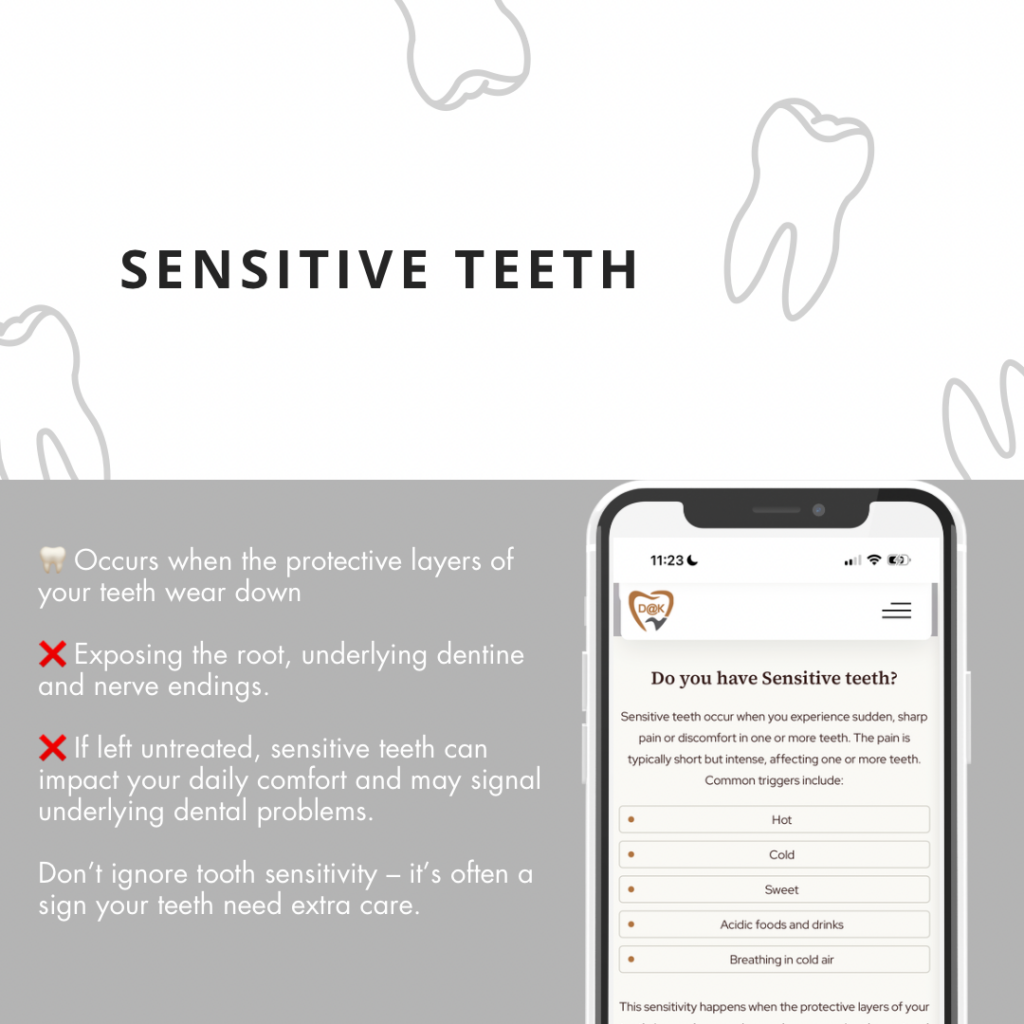
The constant grinding motion wears down the enamel on the teeth, making them more sensitive to hot, cold, or sweet foods. This can result in discomfort or pain while eating or drinking. We find on many cases that patient who actively grind their teeth also tend to have a much higher incidence of tooth sensitivity after dental procedures.
Worn dentition
Teeth grinding can cause visible wear on the teeth, including flattening, chipping, or cracking of the tooth surface. Over time, this can weaken the teeth and lead to further damage, such as tooth fractures, teeth sensitivity or even tooth loss. This is accelerated with enamel erosion and often is seen in combination with grinding.


Treatment
Teeth grinding, also known as bruxism, can lead to worn-down teeth, jaw pain, headaches, and other dental issues if left untreated. Fortunately, several effective treatments can help manage and reduce the impact of teeth grinding:
Custom Night Guards
A specially made dental appliance (occlusal splint) worn while sleeping to protect your teeth from grinding damage and reduce jaw strain.
Sleep Study
There are strong links between grinding and sleep disordered breathing / sleep apnoea. It is important to get a Sleep Study done if you suffer from any sleep or airway issues.
Stress Management
Since stress and anxiety often contribute to bruxism, relaxation techniques such as meditation, exercise, or counselling may help reduce grinding.
Correcting Misaligned Teeth
In some cases, orthodontic treatment or dental restorations can improve bite alignment and reduce grinding.
Lifestyle Changes
Avoiding caffeine, alcohol, and stimulating activities before bedtime can decrease teeth grinding.
Muscle Relaxants or Therapy
In severe cases, your dentist or doctor might recommend muscle relaxants or physical therapy to ease jaw tension.
Early intervention is key to preventing long-term damage and maintaining your oral health. If you suspect you grind your teeth, speak with your dentist to explore the best treatment options for you.
Contact Dental at Keys for Bruxism treatment
Dental Services
Dental Implants
Implant Retained Dentures
Full Mouth Dental Implants
Invisalign
Clear Aligners
Cosmetic Dentist
Veneers
Sleep Dentistry
Teeth Whitening
Wisdom Tooth
Orthodontics
Jaw Expansion
Tooth Extraction
Dental Crown
Dental Bridge
Root Canal Treatment
General Dentistry
Gum Disease Treatment
Tooth Filling
Teeth Cleaning
Dentures
Sleep Apnoea
Mandibular Advancement Splint (MAS)
TMJ
Occlusal Splint
Mouth Guard
Family Dental
Kids Dental
Silver Diamine Fluoride
Fissure Sealants
Frequently Asked Questions

Is teeth grinding always harmful?
How can I tell if I grind my teeth while sleeping?
Since sleep bruxism often occurs unconsciously, you may not be aware of it. However, common signs include waking up with jaw pain, headaches, or tooth sensitivity. Your dentist may also notice signs of wear on your teeth during an exam. Occasionally, your sleep partner may notice grinding sound coming from your mouth whilst you sleep.
Can children develop bruxism?
Yes! Bruxism is relatively common in children, especially during sleep. It often occurs in response to sleep disorders, poor breathing, teething, or jaw misalignment.
Why do I need a dentist made custom made nightguard/splint?
It is tempting to buy a cheaper pharmacy boil and bite night guard but it would be preferable not to wear anything instead until you can get a proper one. A poorly fitted nightguard can cause more damage to your teeth as you grind your teeth. It can also cause permanent bite changes.