

Missing Teeth
Tooth Decay
Toothache
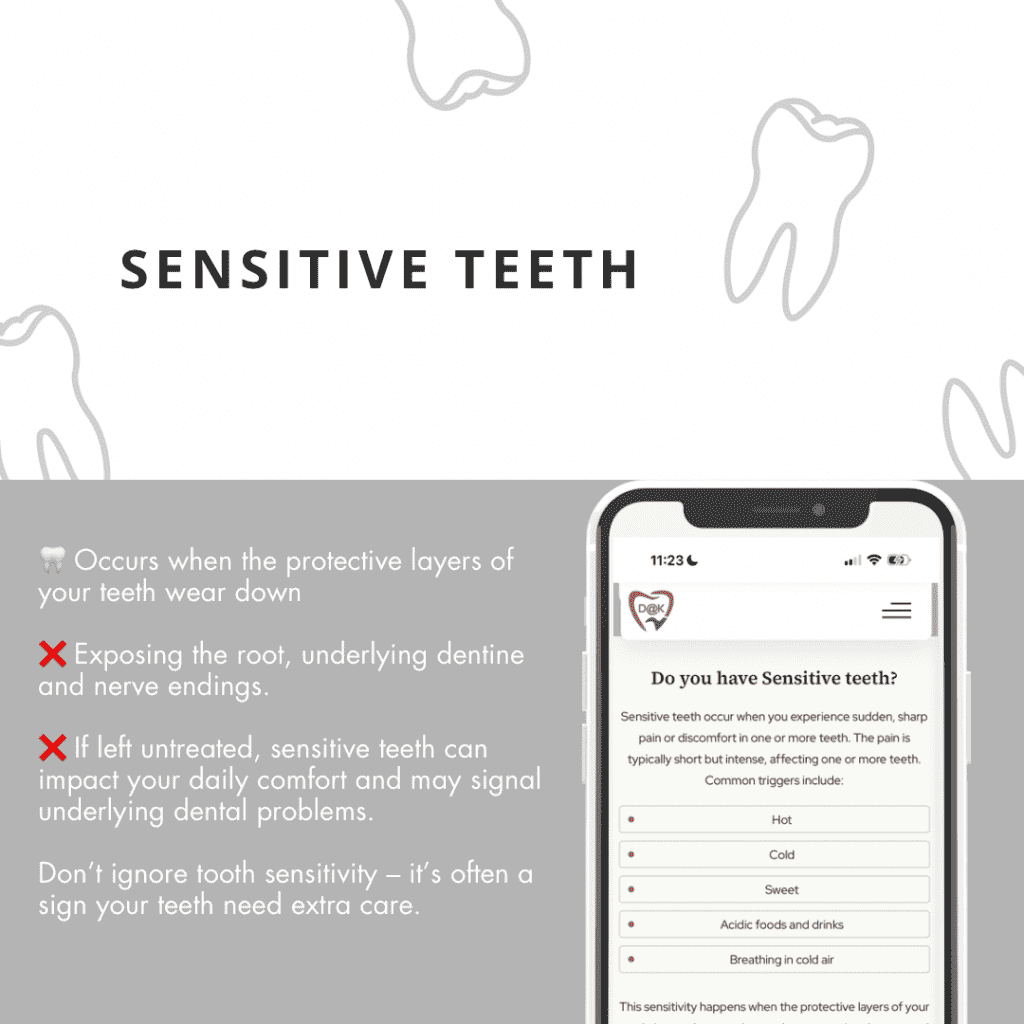
Sensitive Teeth
Impacted Wisdom teeth
Teeth Grinding
Tooth Abscess
Crowded Teeth
Crooked Teeth
Yellow Teeth
Bad Breath
Dry Mouth
Snoring
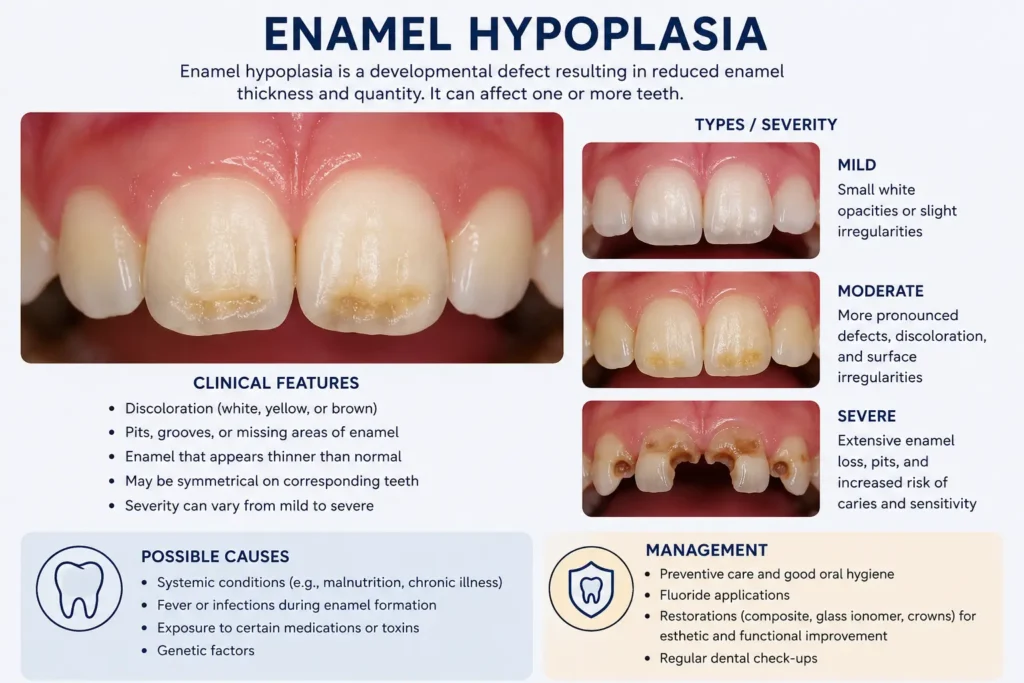
Enamel Erosion
Jaw Pain
Gum Infection
Receding Gums
Gingivitis
Cracked tooth
Root Canal Infection
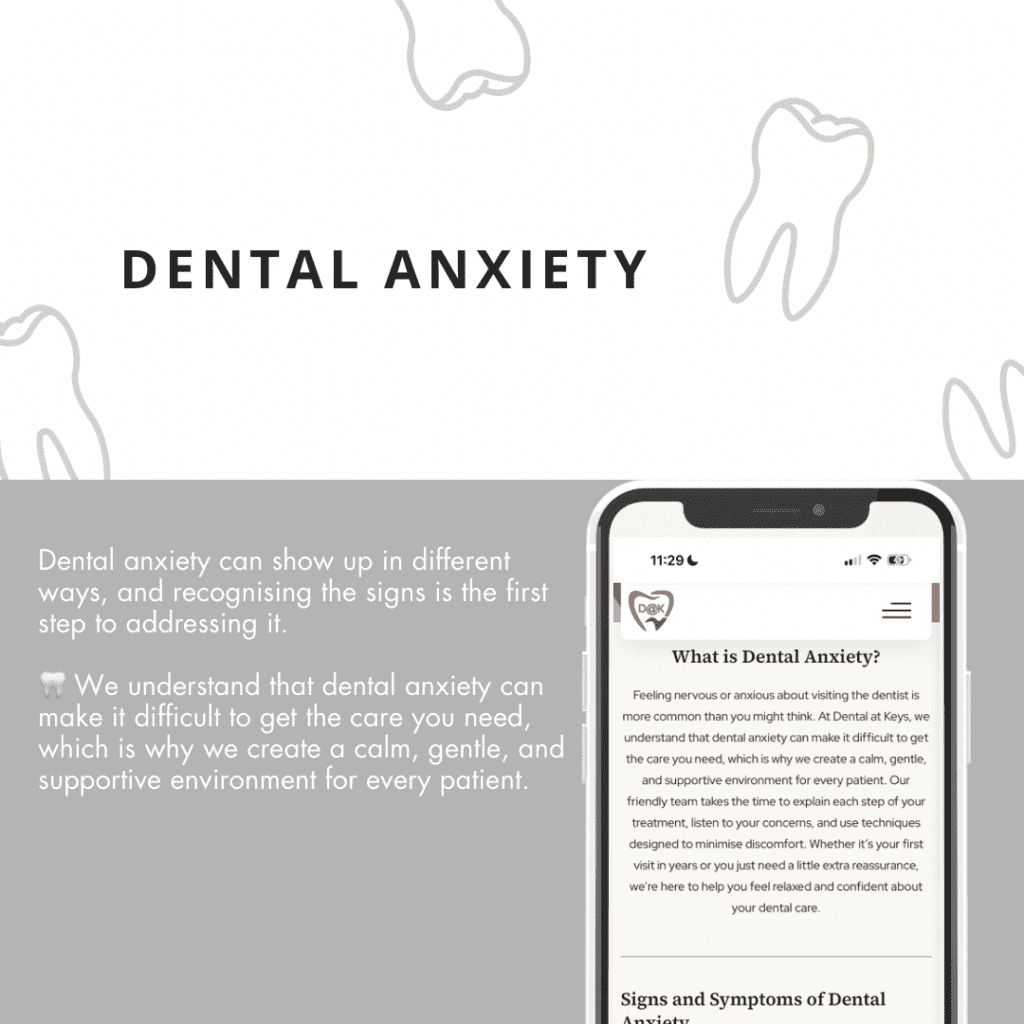
Dental Anxiety
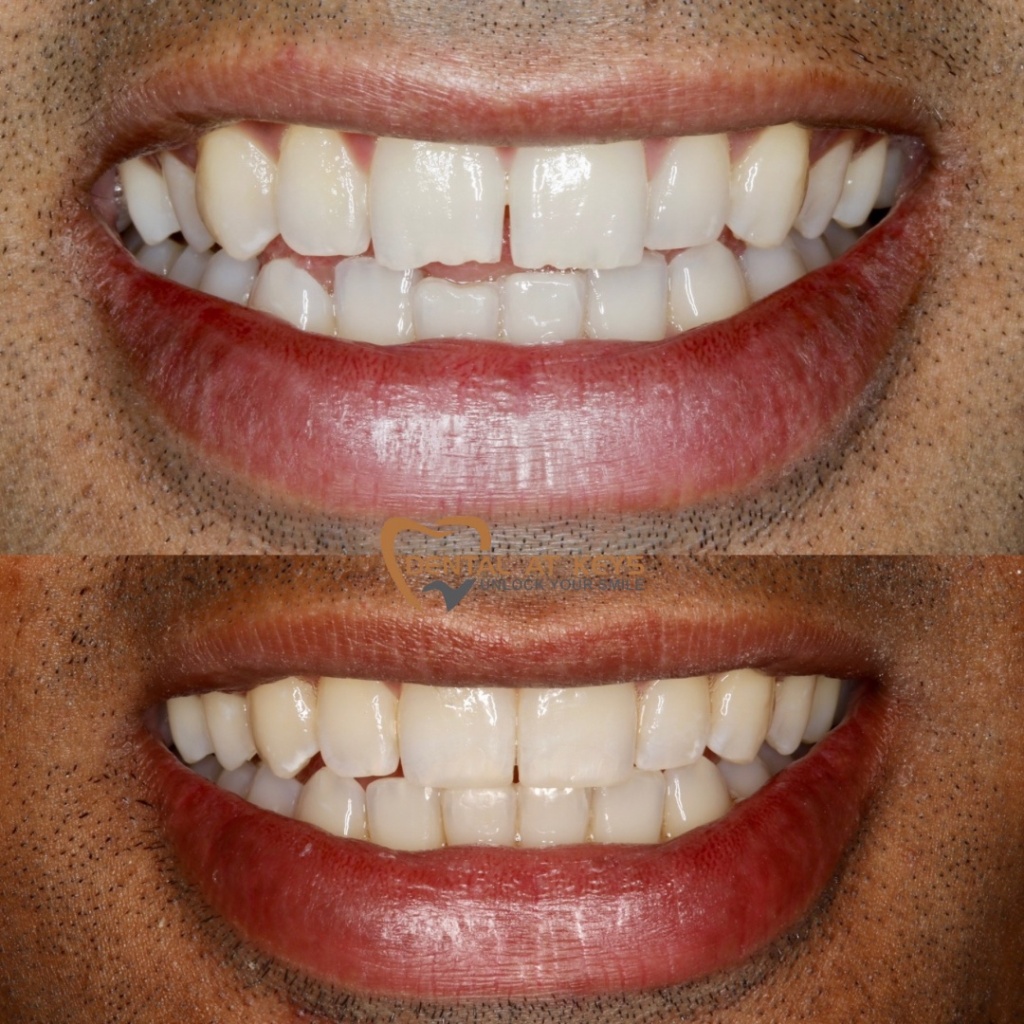
Missing teeth don’t always need to be replaced, but in many cases, restoring a missing tooth is strongly recommended to protect your oral health, bite function and appearance.

Tooth decay or (cavity), is the unsightly brown or black spot on your tooth. Addressing it promptly is essential as it can often lead to further progression of the decay into the tooth.

A toothache is pain in or around a tooth that can range from mild discomfort to severe, throbbing pain. It often signals an underlying dental problem that needs urgent professional attention.

Refers to a condition when a person experiences sharp, sudden pain or discomfort in their teeth when exposed to certain triggers.

Impacted Wisdom teeth are your last (third) molars which stuck and can't come out due to their poor angulation. Signs include pain, swelling, infection, and headaches.

Teeth grinding (bruxism), is a common condition where patients unconsciously clench, grind, or gnash their teeth together.

A tooth abscess is a localised collection of pus caused by a bacterial infection inside the tooth or surrounding gum tissue. It often leads to intense pain, swelling, and requires prompt dental care to prevent further complications.
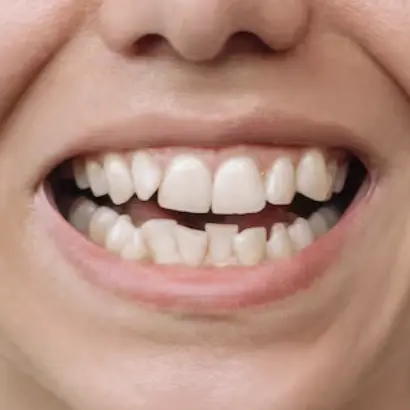
Crowded teeth occur when there isn’t enough space in the jaw for teeth to sit in proper alignment.

Crooked teeth usually develop due to a narrow or restricted jaw that doesn’t provide enough space for teeth to fit correctly.
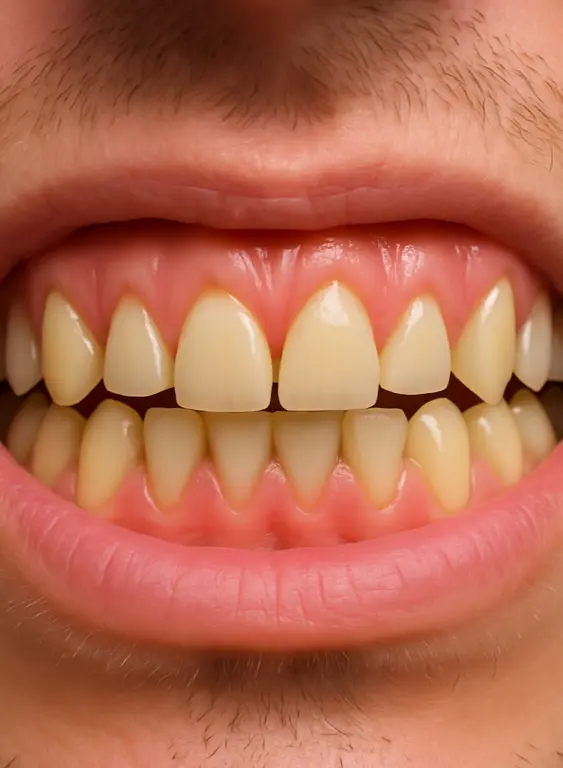
Many people feel self-conscious about yellow teeth or tooth discolouration as it can affect confidence, self-esteem, and appearance.
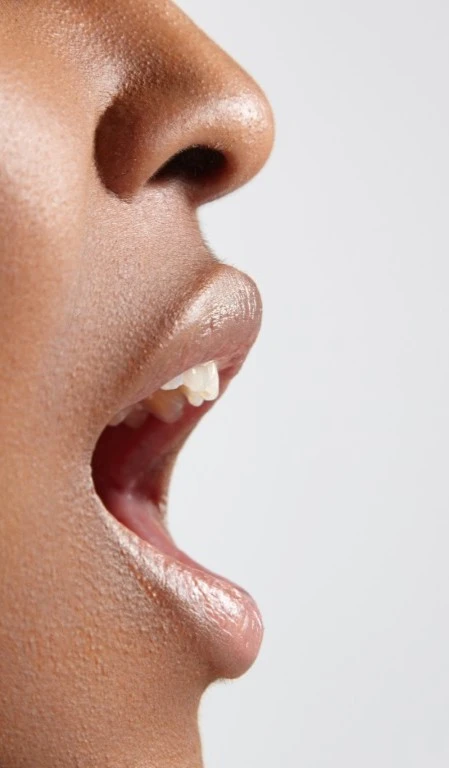
Bad breath, is a common yet often embarrassing condition that can affect your confidence and social interactions. It may indicate an underlying dental or medical problem that needs attention.
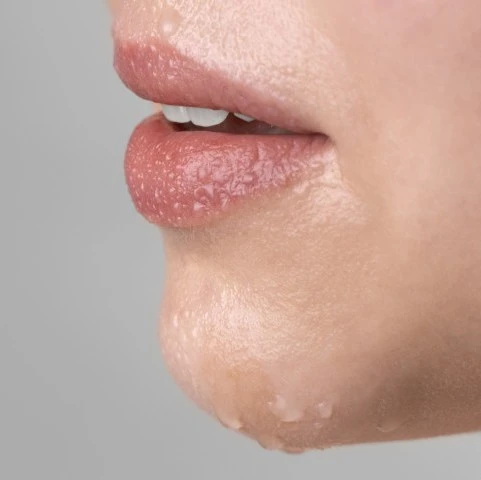
Dry mouth, also known as xerostomia, occurs when your salivary glands do not produce enough saliva to keep your mouth moist.

Snoring, despite popular belief, is NOT a normal part of sleep. Snoring indicates that the flow of air through the breathing pipes is being restricted, causing vibrations and noise.
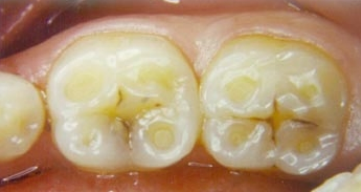
Enamel erosion occurs when acids wear away the strong outer layer of your teeth leading to tooth sensitivity, cosmetic changes, and even functional damage.

Jaw pain is a common but often overlooked dental and medical issue which requires early treatment to prevent deterioration of symptoms.

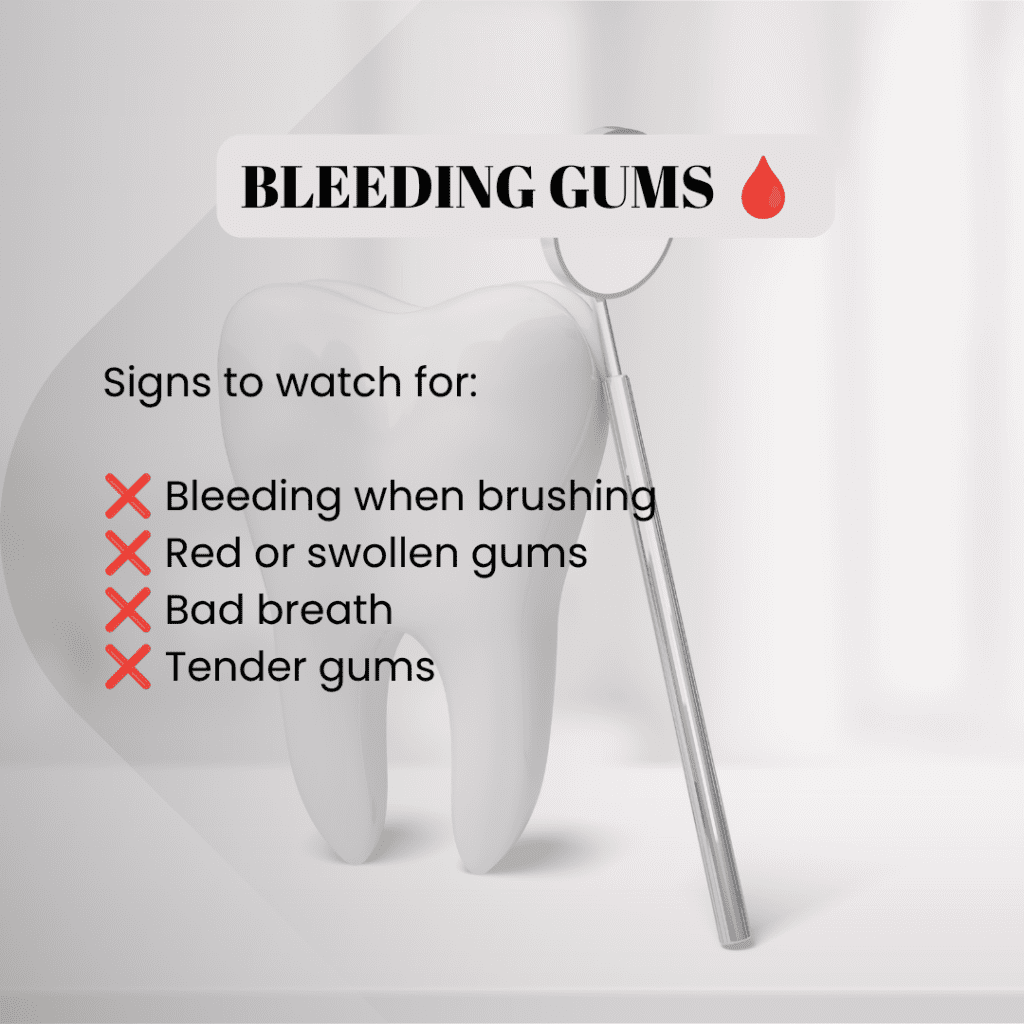
Gum infections are painful and can cause redness, swelling, bleeding, and pus around the gums.
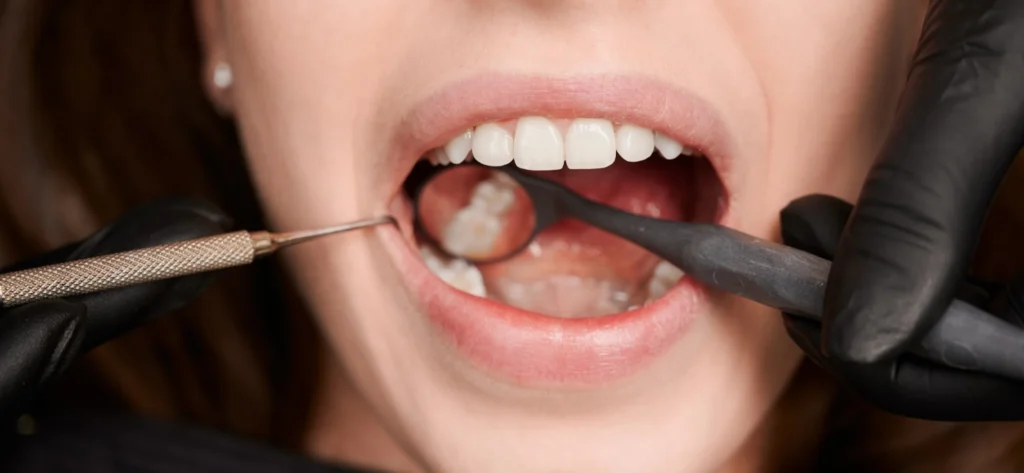
Receding gums can be worrying when you first notice them. Seeking help early is the best way to protect your teeth and gums from further damage.
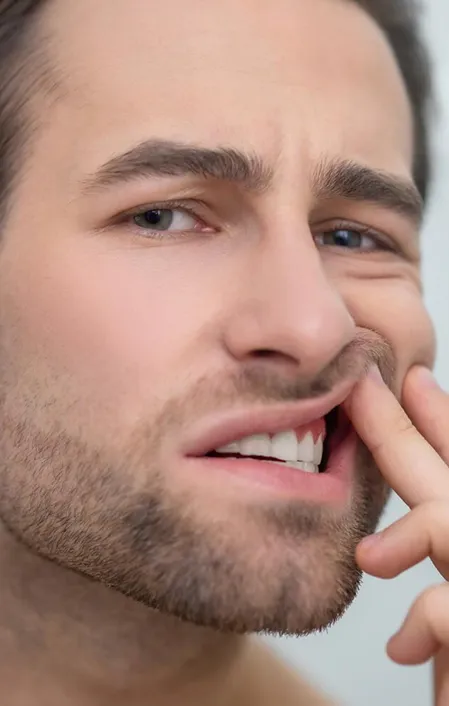
Gingivitis is the reversible inflammation and infection of the gums surrounding the tooth. It is caused by plaque and/or tartar build-up around the teeth.

A cracked tooth refers to a condition when a tooth has chipped or fractured which generally results in a "sharp tooth" or at worst, a "tooth ache". Cracks can vary in size, depth, and location, impacting the tooth's structure and overall integrity.

A root canal infection happens when bacteria enter the inner part of a tooth, called the pulp - and can be extremely painful.

Are you scared of the dentist? Do you think you need a lot of work done but can't bear to be in the dental chair?