
Unlock Your Smile with Dental at Keys

We Strive to Provide The Best Dental Care For All Our Patients

Senior Woman With Full Mouth Dental Implants Bridge

Full Mouth Dental Implants

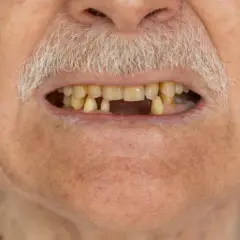
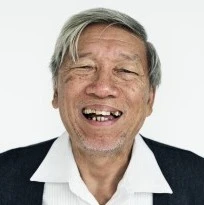
Losing all your teeth can be an overwhelming and life-changing experience. Beyond the impact on your confidence and smile, it can also affect your ability to eat, speak, and maintain a healthy lifestyle. Fortunately, modern dentistry offers advanced solutions — and one of the most effective and long-lasting options is Full Mouth Dental Implants. This treatment is also known as a Full Arch Fixed Implant Bridge.

Unlike traditional dentures, full mouth dental implants provide a permanent, stable, and natural-looking solution that restores both function and aesthetics.

Should I Get Full Mouth Dental Implants?

Full mouth dental implants may be recommended if you have lost all of your teeth in the upper jaw, lower jaw, or both. They are often considered the best alternative to dentures because they:

  • Look and feel natural – they closely resemble your own teeth.
  • Restore chewing function – allowing you to enjoy a wide variety of foods again.
  • Improve comfort – unlike dentures, implants are fixed and do not move around.
  • Preserve bone health – implants stimulate the jawbone and prevent bone shrinkage.

However, not everyone is a candidate. Medical and lifestyle factors must be carefully considered. Dental implants may not be suitable for individuals who:

  • Take certain medications (for osteoporosis, cancer, or immune suppression).
  • Have uncontrolled diabetes, severe heart disease, or kidney problems.
  • Smoke heavily.
  • Have untreated gum disease or poor oral hygiene.

A consultation with your dentist, along with a thorough medical history, is essential to determine whether full mouth dental implants are right for you.

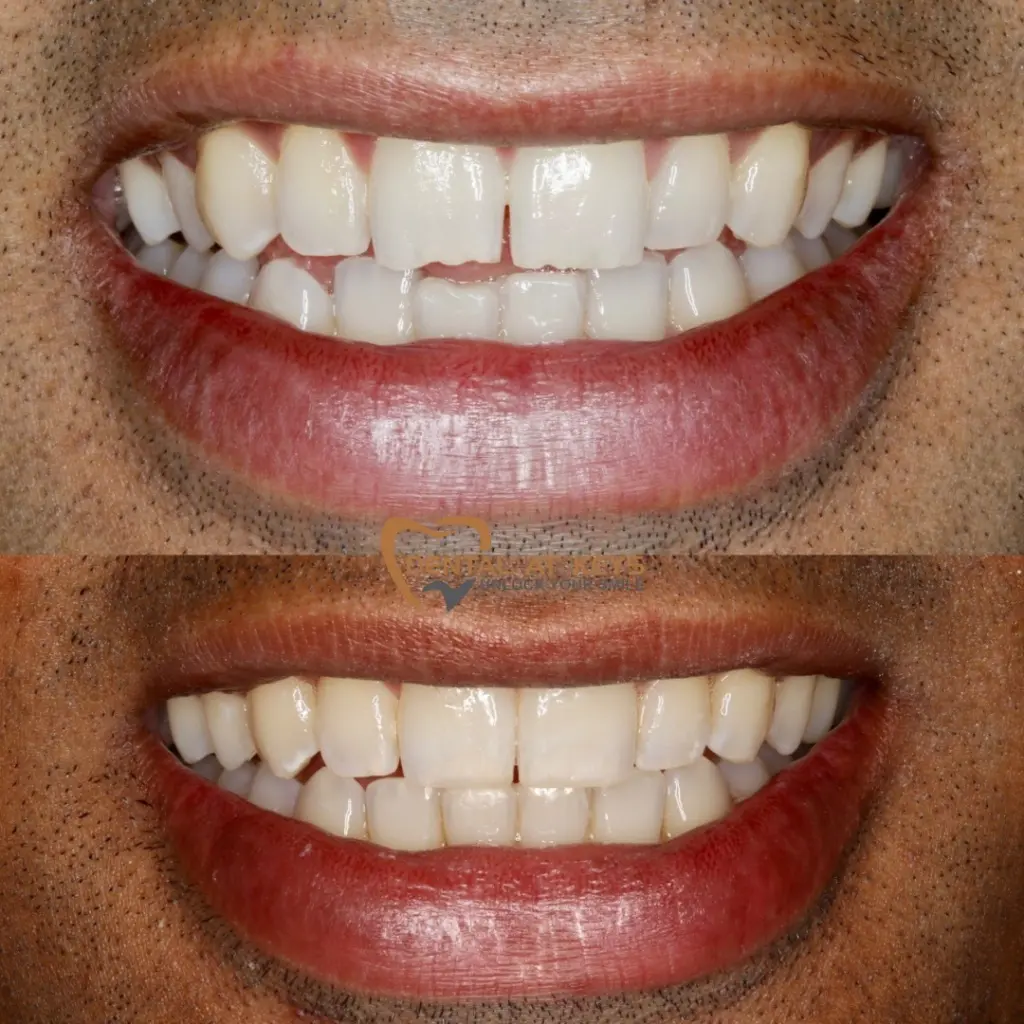
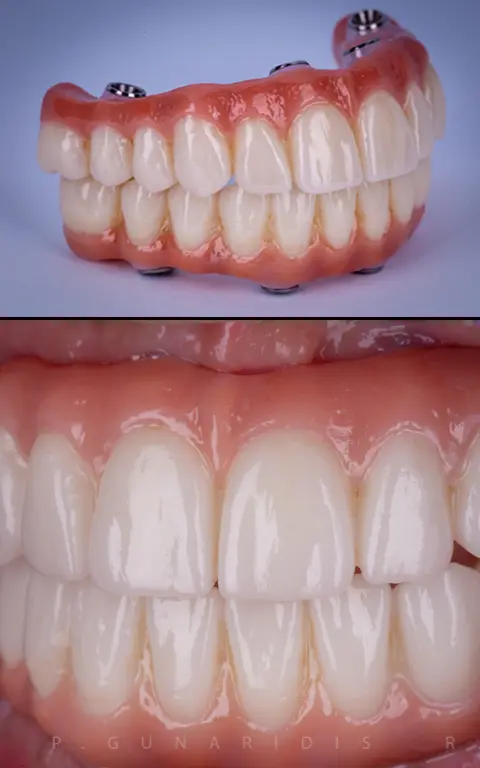
Full Mouth Dental Implants Example By Dr Poli
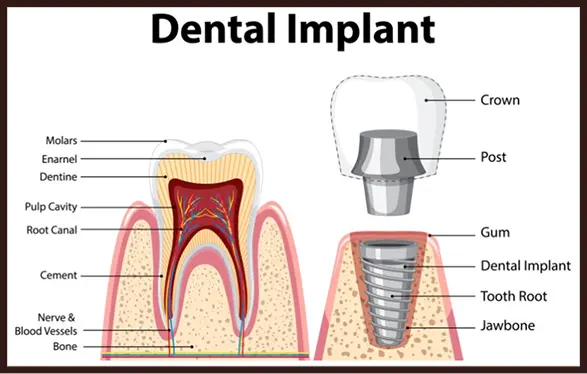
Dental Implant Infogram

The Process of Getting a Full Arch Dental Implant Bridge

Getting full mouth dental implants involves careful planning, precision, and multiple stages.

Comprehensive assessment

A clinical examination and 3D dental scan (CBCT) are required to assess bone quality, density, and volume.

Some patients may need additional bone grafting if there is insufficient bone to support implants.

Titanium implants are placed into the jawbone. Ideally, placement occurs at least 3 months after tooth loss to allow for proper healing.

Implants fuse with the bone (osseointegration). This stage may involve delayed loading for a higher success rate.

A custom full-arch prosthesis (fixed or removable) is created and attached to the implants, restoring your new smile.

Other Treatment Options

The main alternative to full mouth dental implants is a full denture (plate). While dentures are more affordable, they:

  • Can slip or move while eating and speaking.
  • Do not preserve jawbone structure.
  • Often feel bulky and less comfortable compared to implants.

In some cases, dentures may still be the most suitable choice due to cost, medical conditions, or limited bone availability.

That said, prevention is always the best option. Nothing is as strong or functional as your natural teeth, so regular dental care is vital to protect them for as long as possible.

Maintenance of Full Mouth Dental Implants

Full mouth dental implants require excellent oral hygiene and professional care to ensure long-term success.

  • Brush twice daily with a soft-bristled toothbrush and fluoride toothpaste.
  • Clean between implant prostheses using superfloss, interdental brushes, or water flossers.
  • Maintain regular dental check-ups and professional cleans.
  • Avoid smoking, as it increases the risk of implant failure and gum disease.

Your dentist may also recommend periodically unscrewing the prosthesis for a deep clean. Over time, components such as attachments or prosthetic teeth may need replacement due to wear.

Interested in a Full Arch Fixed Implant Bridge solution? Book a consult now to find out more at Dental at Keys!

Common Dental Problems

Tooth Decay
Tooth decay or (cavity), is the unsightly brown or black spot on your tooth. Addressing it promptly is essential as it can often lead to further progression of the decay into the tooth.

Toothache
A toothache is pain in or around a tooth that can range from mild discomfort to severe, throbbing pain. It often signals an underlying dental problem that needs urgent professional attention.

Sensitive Teeth
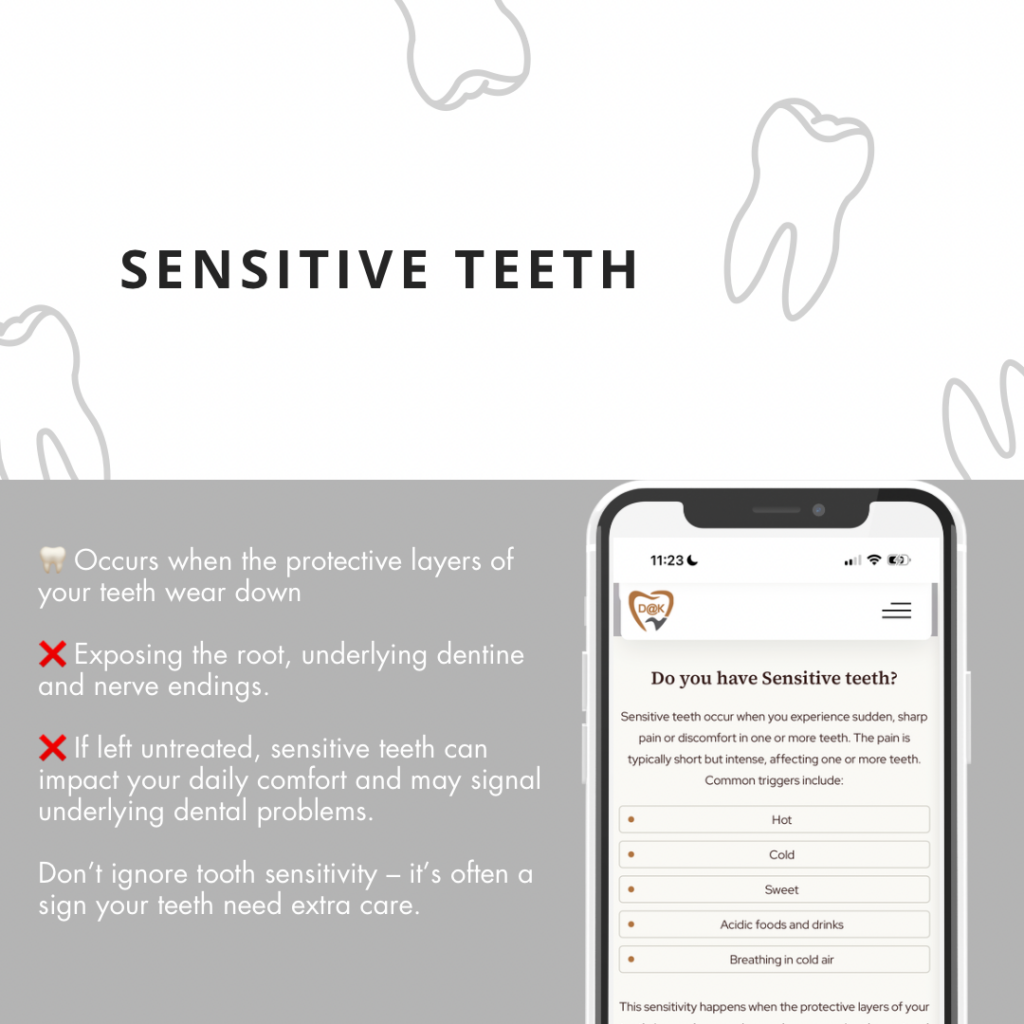
Refers to a condition when a person experiences sharp, sudden pain or discomfort in their teeth when exposed to certain triggers.
Impacted Wisdom teeth
Impacted Wisdom teeth are your last (third) molars which stuck and can't come out due to their poor angulation. Signs include pain, swelling, infection, and headaches.

Teeth Grinding
Teeth grinding (bruxism), is a common condition where patients unconsciously clench, grind, or gnash their teeth together.

Tooth Abscess
A tooth abscess is a localised collection of pus caused by a bacterial infection inside the tooth or surrounding gum tissue. It often leads to intense pain, swelling, and requires prompt dental care to prevent further complications.
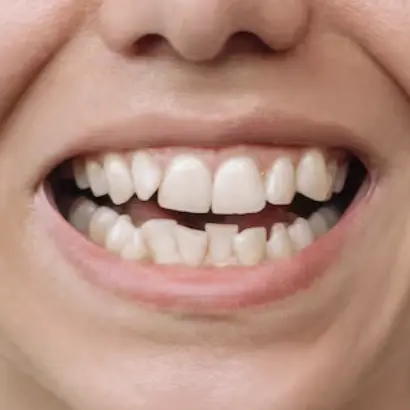
Crowded Teeth
Crowded teeth occur when there isn’t enough space in the jaw for teeth to sit in proper alignment.

Crooked Teeth
Crooked teeth usually develop due to a narrow or restricted jaw that doesn’t provide enough space for teeth to fit correctly.
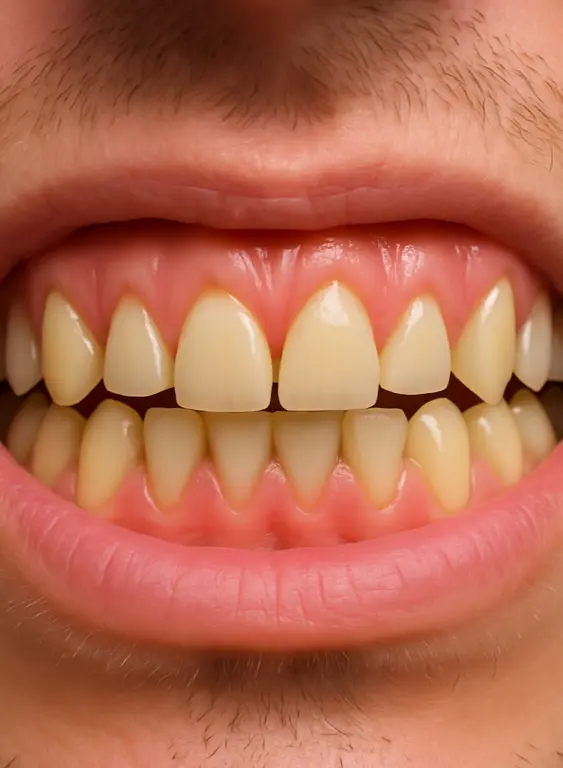
Yellow Teeth
Many people feel self-conscious about yellow teeth or tooth discolouration as it can affect confidence, self-esteem, and appearance.
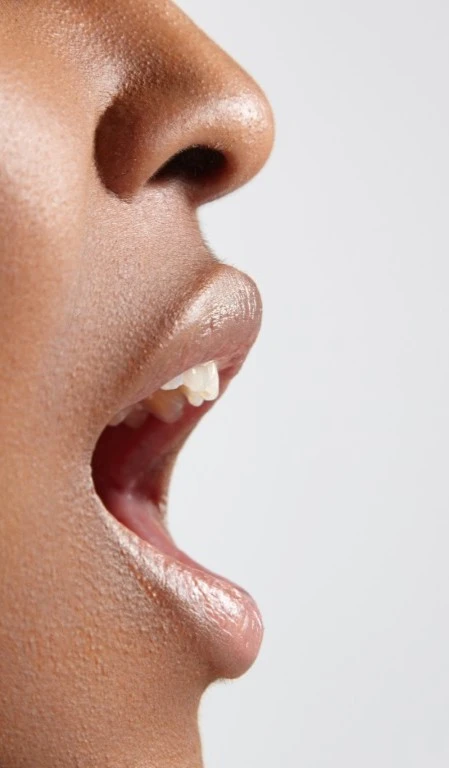
Bad Breath
Bad breath, is a common yet often embarrassing condition that can affect your confidence and social interactions. It may indicate an underlying dental or medical problem that needs attention.
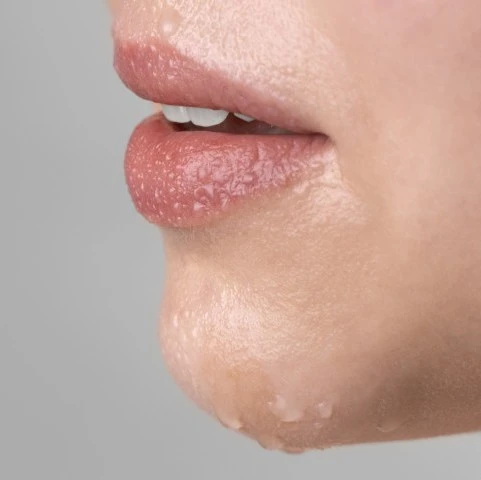
Dry Mouth
Dry mouth, also known as xerostomia, occurs when your salivary glands do not produce enough saliva to keep your mouth moist.

Snoring
Snoring, despite popular belief, is NOT a normal part of sleep. Snoring indicates that the flow of air through the breathing pipes is being restricted, causing vibrations and noise.
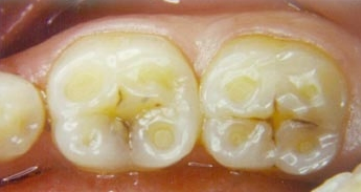
Enamel Erosion
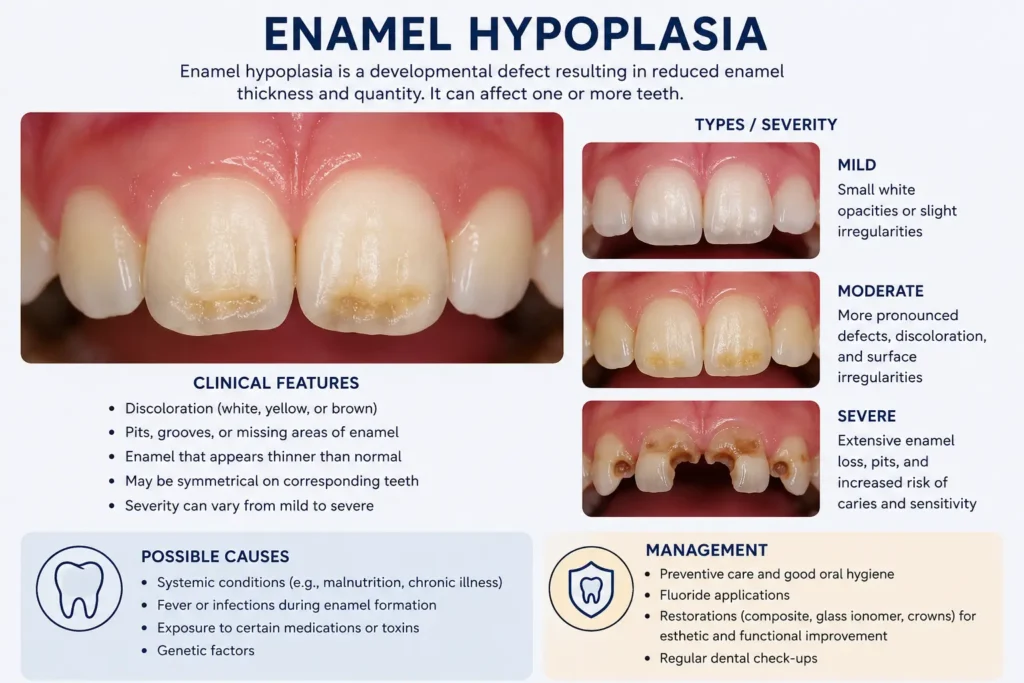
Enamel erosion occurs when acids wear away the strong outer layer of your teeth leading to tooth sensitivity, cosmetic changes, and even functional damage.

Jaw Pain
Jaw pain is a common but often overlooked dental and medical issue which requires early treatment to prevent deterioration of symptoms.
Gum Infection
Gum infections are painful and can cause redness, swelling, bleeding, and pus around the gums.
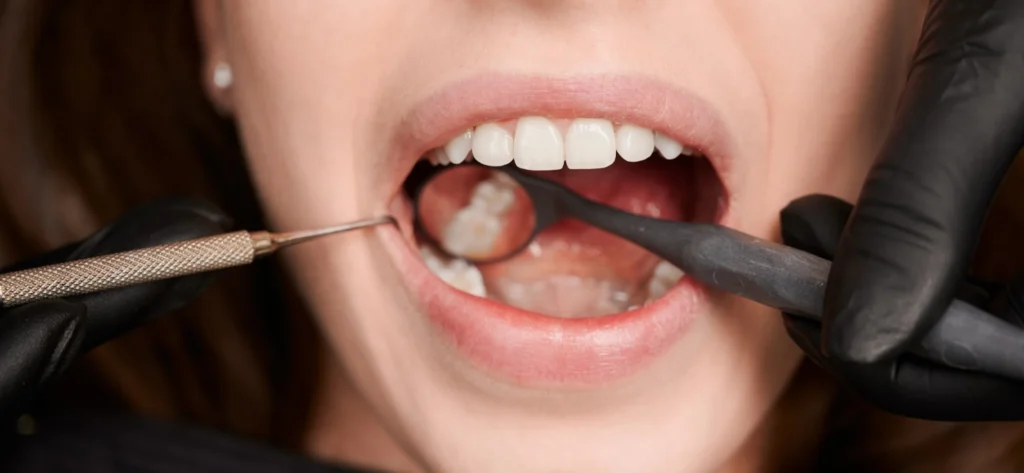
Receding Gums
Receding gums can be worrying when you first notice them. Seeking help early is the best way to protect your teeth and gums from further damage.
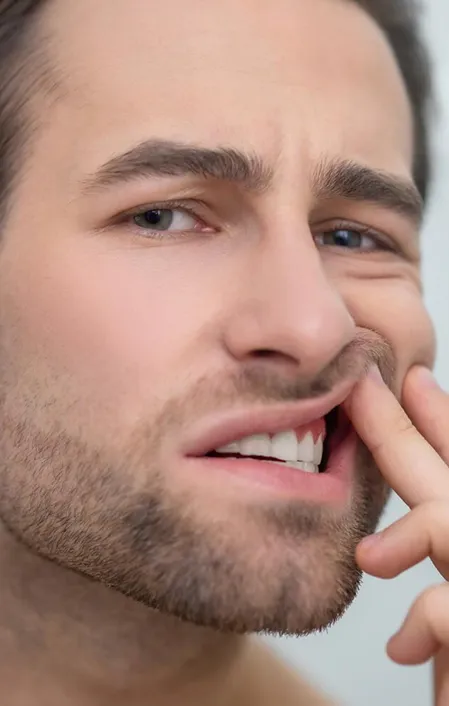
Gingivitis
Gingivitis is the reversible inflammation and infection of the gums surrounding the tooth. It is caused by plaque and/or tartar build-up around the teeth.

Cracked tooth
A cracked tooth refers to a condition when a tooth has chipped or fractured which generally results in a "sharp tooth" or at worst, a "tooth ache". Cracks can vary in size, depth, and location, impacting the tooth's structure and overall integrity.

Root Canal Infection
A root canal infection happens when bacteria enter the inner part of a tooth, called the pulp - and can be extremely painful.

Dental Anxiety
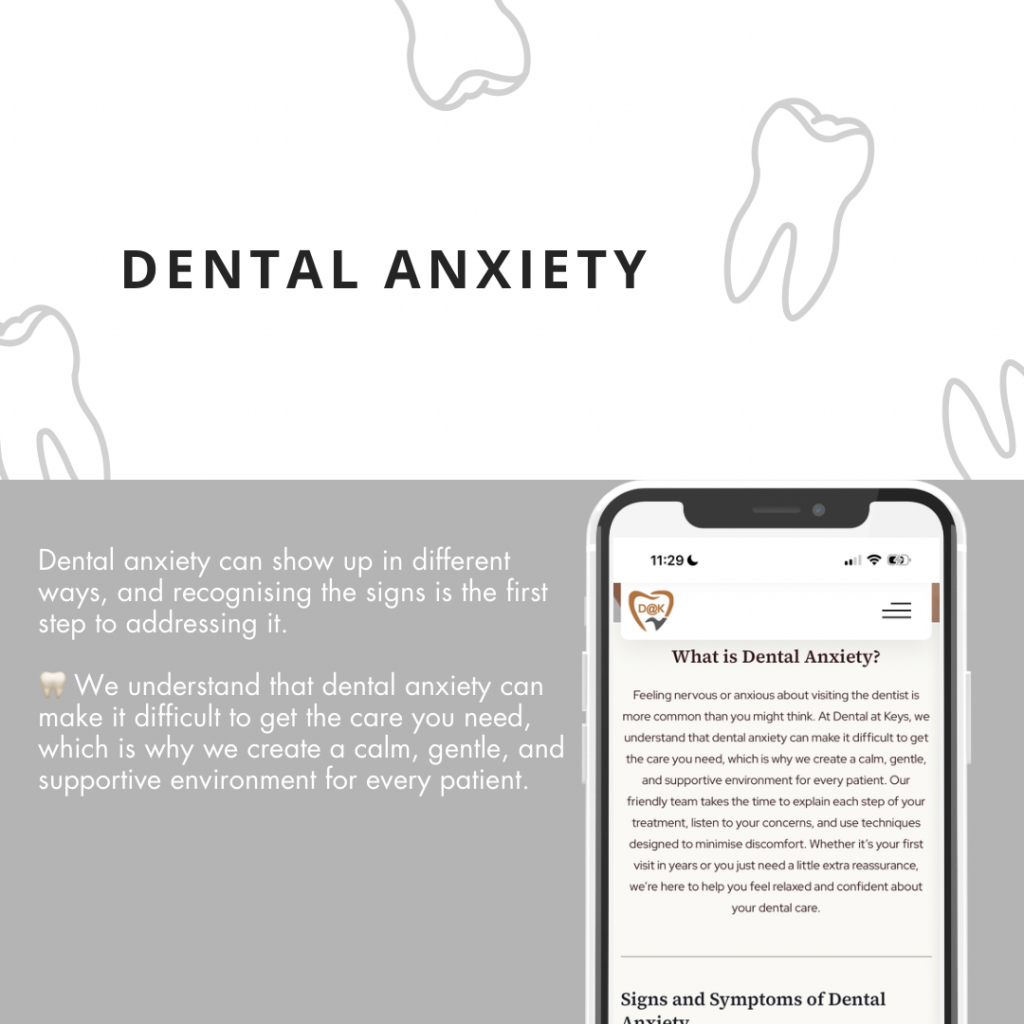
Are you scared of the dentist? Do you think you need a lot of work done but can't bear to be in the dental chair?


Frequently Asked Questions

Faq Img
How long do full mouth dental implants last?

With proper care, full mouth dental implants can last more than 10 years. The prosthetic teeth may need replacement over time, but the implants themselves can last a long time.

The procedure is performed under local anaesthesia or sedation, so you won’t feel pain during surgery. Some soreness and swelling may occur afterward but can be managed with pain relief and proper aftercare.

The cost depends on factors such as the number of dental implants, type of prosthesis (fixed or removable), and whether bone grafting is needed. While more expensive than dentures upfront, implants are a long-term investment in comfort, function, and oral health.

Unlike dentures, implants are fixed and secure, meaning no slipping or discomfort. They allow you to chew, speak, and smile with confidence while preventing bone loss in the jaw.

Ideal candidates are in good general health, have sufficient bone volume, and practice good oral hygiene. Your dentist will assess your suitability through a detailed consultation and 3D imaging scan.

Latest News

Your local Dentist in Keysborough
A Smile For Every Age