
Hall Crowns for Children
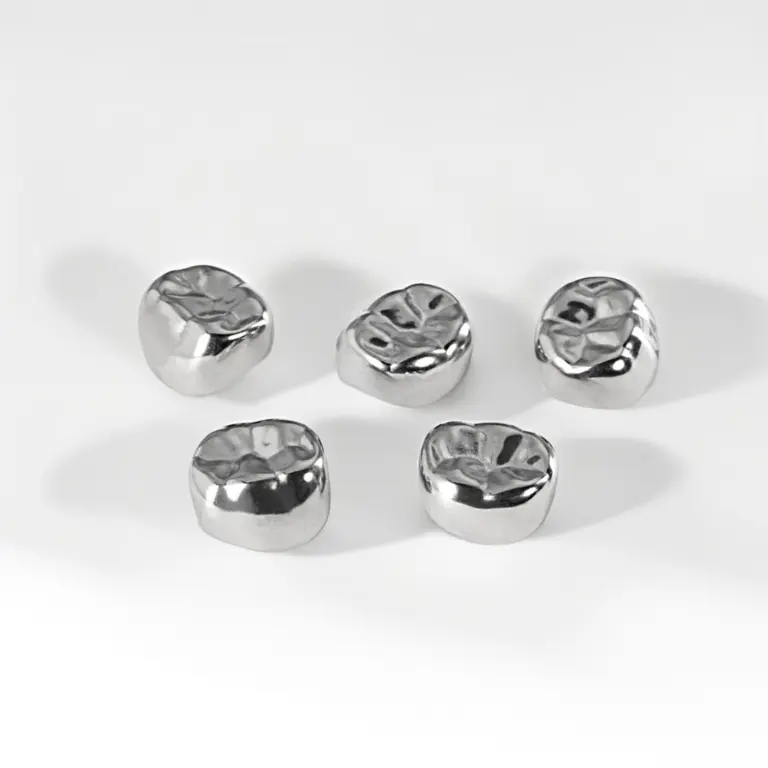
Hall Crowns are a type of Stainless Steel Crown (SSC) treatment commonly used on baby molar teeth. They’re a minimally invasive and highly effective treatment option that usually requires no drilling or anaesthetic — making them ideal for young children who may feel nervous at the dentist.
Why Does My Child Need a Hall Crown?
The most common reason your child may need a Hall Crown is due to tooth decay or cavities on baby teeth. Decay can occur because of diet, oral hygiene habits, or natural developmental factors affecting the enamel.
Other possible reasons include:
- Broken or chipped teeth from trauma
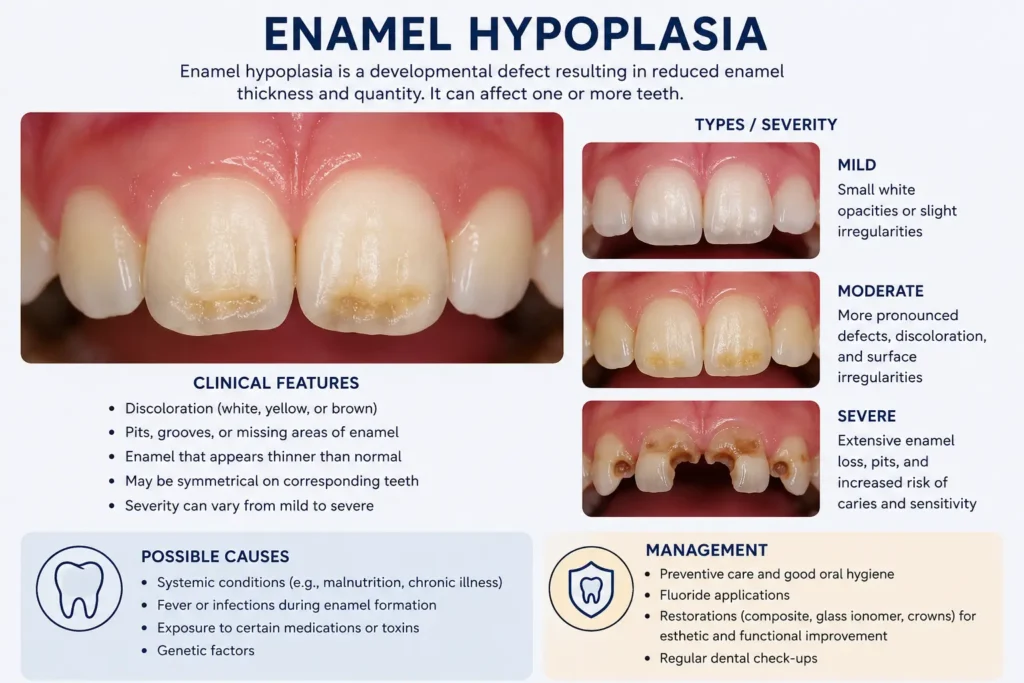
- Developmental enamel defects (such as chalky or hypomineralised teeth)
Signs Your Child May Need a Hall Crown
You may notice one or more of these symptoms:
- Pain or discomfort when eating – your child may chew on one side or avoid certain foods
- Food getting stuck between teeth
- Dark, brown, or black discolouration – a possible sign of decay
- Broken or chipped teeth
- White or chalky patches on teeth – could indicate enamel hypomineralisation, which weakens the enamel and makes decay more likely
Even if not every hypomineralised tooth needs a crown, your dentist will carefully assess the tooth’s health to determine if a Hall Crown is appropriate.
How Do You Do a Hall Crown?
Your dental professional will first perform a comprehensive dental examination to assess your child’s oral health. This may include taking X-rays and doing a professional dental clean if needed.
Step 1: Assessment and Planning
The dentist will assess whether the decay has reached the pulp (nerve) of the tooth.
Hall Crowns are only suitable when:
- The tooth is not infected
- The cavity has not reached the pulp
- The tooth is not close to falling out naturally
Once the tooth is confirmed suitable, the procedure and its benefits are discussed and consented to with you and your child.
Step 2: First Appointment – Separator Placement
Small rubber separators are placed between the teeth on either side of the one being treated.
- These separators create a small amount of space so the crown can fit properly.
- They stay in for 2–5 days.
- During this time, your child should avoid chewy or sticky foods (like lollies, chewing gum, or toffee).
- If the bands come out, your dentist can show you how to reinsert them at home — or you can return to the clinic for a replacement.
Step 3: Second Appointment – Crown Fitting
- The separators are removed.
- The tooth is cleaned thoroughly with a grainy paste called pumice to remove any debris.
- An appropriately sized pre-formed Stainless Steel Crown is selected, tried in, and adjusted for a perfect fit.
- A special cleaning solution is applied to prepare the surface, then rinsed and dried.
- The crown is cemented using Glass Ionomer Cement (GIC) — a strong dental material that bonds securely to the tooth.
- Any excess cement is cleaned away carefully.
After placement:
- The tooth may feel slightly “high” in the bite for up to two weeks, but this will naturally settle as your child adjusts.
- Continue to avoid sticky foods to help the crown stay in place.
Because of their minimally invasive nature, Hall Crowns can usually be done without anaesthetic and are well tolerated even by very young children. This approach can prevent the need for more extensive treatment later on.
Caring for Your Child’s Hall Crown
To keep your child’s crown and teeth healthy:
- Brush twice a day with fluoride toothpaste
- Floss daily to remove plaque around the crown
- Limit sugary foods and drinks as much as possible
- Attend regular dental check-ups and cleans to monitor the crown and overall oral health
If you’re interested in a Hall Crown in Keysborough, we invite you to visit Dental at Keys for a personalised consultation.
Frequently Asked Questions

Are Stainless Steel Crowns Safe?
Yes. Stainless Steel Crowns are made from medical-grade metal alloys that are perfectly safe for children. They are durable, biocompatible, and designed specifically for use inside the mouth.
Why Choose a Stainless Steel Crown Over a Filling?
Once a cavity becomes moderately large, fillings tend to fail more easily in baby teeth. The bonding materials used for fillings don’t adhere as strongly to primary teeth, and as teeth move or erupt, fillings can loosen or fall out.
Stainless Steel Crowns provide greater protection and longevity, helping to preserve baby teeth until they naturally fall out.
My Child Doesn’t Want a “Silver Tooth.” What Can I Do?
We like to make it fun! We often call it a “superhero tooth” or a “robot tooth.” Many children love showing off their special new tooth — and usually realise that some of their friends have them too.