
Hypomineralised Teeth (Chalky Teeth)
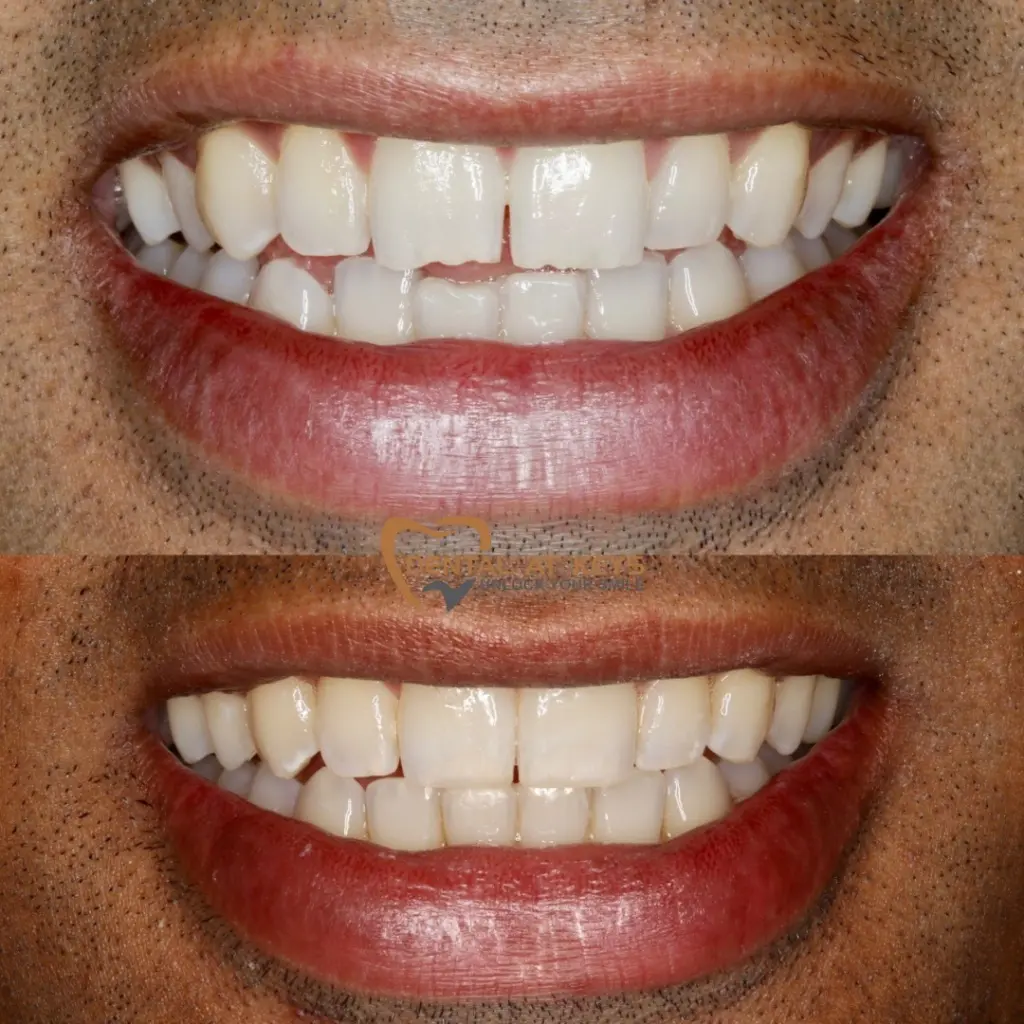
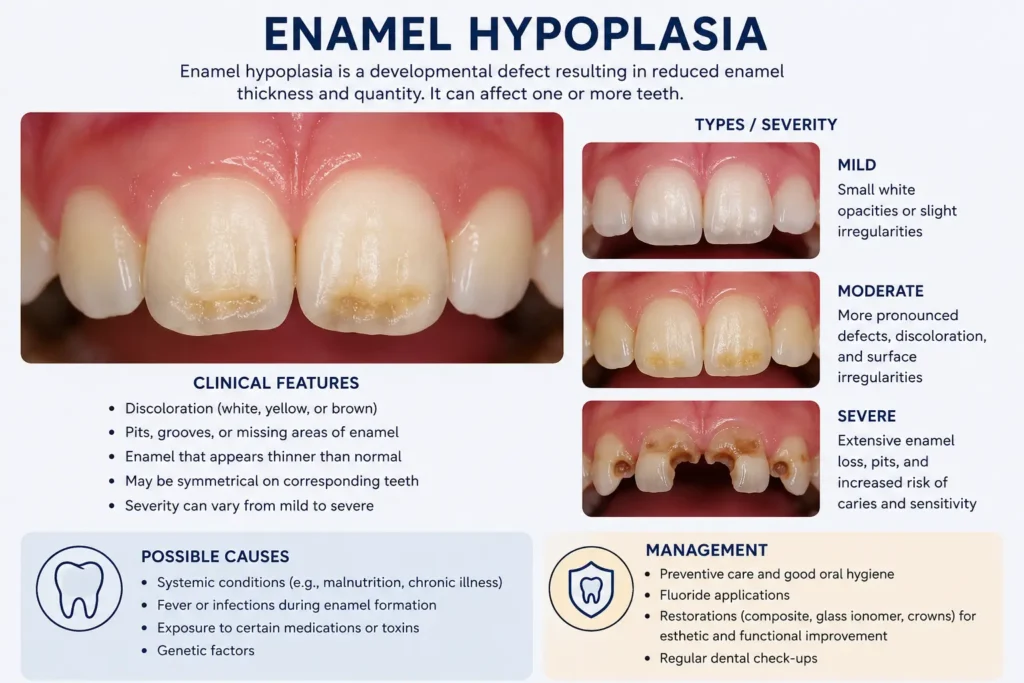
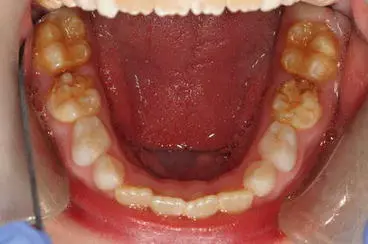
Chalky teeth (Dental term: Hypomineralised teeth) develop when the enamel does not form properly, resulting in a compromised structure. This can cause the teeth to appear chalky white, yellow, or even brown. Since these areas are more porous, they are weaker and prone to breaking down faster than normal enamel. Read on to learn more about how to manage Chalky teeth with us in Keysborough.
What Causes Hypomineralised Teeth?
Despite being relatively common, there is no single known cause of hypomineralised teeth. There are times when there are no obvious causes found. However, some factors have been linked to its development, including:
- Certain antibiotics, if taken by the mother during pregnancy or by the child while their teeth are developing. These antibiotics are no longer used in pregnant women or in very young children.
- Severe illness during early childhood.
- Excessive fluoride intake.
Symptoms and Concerns
Your dentist will monitor your teeth every six months. If hypomineralisation of teeth is detected, maintaining excellent oral hygiene is crucial to prevent further breakdown. If you notice unusual discoloration or areas of weakness, consult your dental professional as soon as possible.
In cases where teeth break down easily, early intervention is key to preventing complications.
How to Manage Hypomineralised Teeth
There is no cure for hypomineralisation of teeth, but preventive and cosmetic treatments can help manage the condition:
- Preventive Care: Applying high-strength fluoride varnish or fissure sealants can help protect affected teeth.
- Whitening Treatments: While teeth whitening can sometimes improve discoloration, it must be done carefully, as white hypomineralised areas may become more pronounced.
- Enamel Microabrasion: This procedure involves applying a special material to the enamel to improve its appearance.
- Veneers: In severe cases, composite or porcelain veneers may be recommended for cosmetic improvement.
Prevention and Maintenance
Since chalky teeth are more prone to cavities and breakdown, maintaining good oral hygiene is essential:
- Brush twice a day with fluoride toothpaste.
- Floss daily.
- Maintain a balanced diet.
- Use any medicated toothpaste or remineralising agents recommended by your dentist.