The Benefits of Dental Cleans: More Than Just a Brighter Smile
While regular brushing and flossing at home are essential for maintaining good oral hygiene, they can only do so much. Even with the most diligent home care routine, plaque and tartar can still accumulate in hard-to-reach areas of your mouth. That’s where professional dental cleans come in—providing a deeper clean and offering numerous benefits for your oral and overall health.
Let’s explore why scheduling regular professional dental cleans is one of the best things you can do for your smile.

1. Reducing the risk of Gum Disease
One of the primary benefits of professional dental cleans is the prevention of gum disease. Plaque, a sticky film of bacteria, naturally forms on your teeth, and when not properly removed, it hardens into tartar. Tartar build-up can irritate the gums and lead to inflammation—an early stage of gum disease known as gingivitis.
During a professional clean, your dentist or hygienist removes plaque and tartar from areas that are difficult to reach with brushing and flossing alone. By keeping your gums healthy, you reduce the risk of developing periodontal disease, which can lead to tooth loss if left untreated.
2. Cavity Prevention
Even if you’re diligent about brushing and flossing, some areas of your mouth may still harbour plaque that you can’t easily reach. Plaque build-up, especially around the gumline and between teeth, can lead to tooth decay and cavities.
Professional dental cleanings target these problem areas, removing the plaque and tartar that can erode tooth enamel and cause decay. By keeping your teeth free from plaque build-up, professional cleans help to prevent cavities and maintain a healthier smile.
3. Fresher Breath
Bad breath (halitosis) is often caused by poor oral hygiene, and plaque build-up plays a significant role. When plaque isn’t properly removed, it can trap food particles and bacteria in your mouth, leading to unpleasant odours.
Professional cleanings help eliminate plaque and tartar from your teeth and gums, resulting in fresher breath. By maintaining regular dental cleans, you reduce the build-up of bacteria that contribute to bad breath, leaving your mouth feeling clean and refreshed.
4. Brighter, Whiter Smile
Over time, food, drinks, and tobacco can stain your teeth, leading to a dull or discoloured smile. While at-home brushing can remove some surface stains, professional cleanings provide a more thorough stain removal. The scaling and polishing performed during a dental clean help to remove stubborn stains, leaving your teeth looking brighter and more polished.
While dental cleans are not the same as whitening treatments, they do help maintain the natural whiteness of your teeth by removing surface discolouration.
5. Early Detection of Oral Health Issues
Regular dental cleanings also include a thorough examination of your mouth, allowing your dentist or hygienist to detect potential problems early. Whether it’s a cavity, gum disease, or early signs of oral cancer, catching these issues in their early stages can prevent them from progressing into more serious and costly problems.
By attending regular cleanings, you give your dental team the opportunity to monitor your oral health and address concerns before they escalate.
6. Boosting Overall Health
Your oral health is closely linked to your overall health. Poor oral hygiene can contribute to a range of health issues, including heart disease, diabetes, and respiratory infections. Gum disease, in particular, has been linked to increased risks of cardiovascular disease and complications with diabetes.
By maintaining good oral health through regular professional cleans, you reduce inflammation in your gums, which can help lower your risk for these systemic health issues. A clean, healthy mouth is an essential part of a healthy body.
7. Saving Money in the Long Run
While it might seem tempting to skip a cleaning or delay your dental visit, doing so can lead to costly treatments down the road. Instead of needing a regular clean, you might need additional appointments to for tooth cleaning due to the sheer amount of build-up on your teeth. Regular professional cleans help prevent the development of more serious dental issues, such as cavities, gum disease, and tooth loss, which require expensive treatments like fillings, root canals, or implants.
Investing in routine cleanings is a proactive way to keep your oral health in check and avoid the need for more complex and costly dental procedures.
Schedule Your Next Professional Clean Today
Professional dental cleans are an essential part of maintaining your oral health. They prevent cavities, gum disease, and bad breath while leaving your teeth brighter and healthier. By scheduling regular cleans, you’re not only investing in your smile but also in your overall health and well-being.
If it’s been more than six months since your last clean, now is the perfect time to schedule an appointment. Your smile will thank you!
#DentalClean #HealthyTeeth #ProfessionalCleanings #OralHealth #GumDiseasePrevention #BrightSmile #DentalCareTips #CavityPrevention #FresherBreath #RoutineCleanings
Why You Should Never Delay Dental Treatment: The Hidden Risks of Waiting
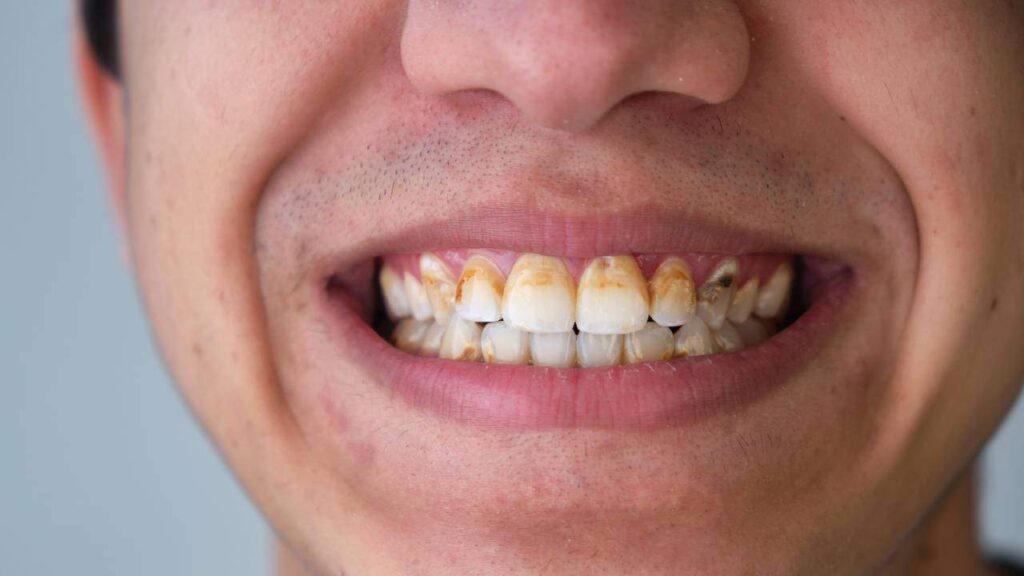
When it comes to dental health, putting off treatment can seem tempting—especially if you’re not experiencing pain or discomfort. However, delaying necessary dental care can lead to serious consequences for your oral and overall health. Whether it’s a routine cleaning, a filling, or more extensive work like a crown or root canal, postponing treatment only allows problems to worsen over time.
Here’s why you should always prioritise dental care and avoid delaying dental treatment.
1. Small Problems Become Big (and Expensive) Issues
You should not delay dental treatment as it may allow minor issues to turn into major, costly problems. A small cavity that could be easily treated with a filling can escalate into a serious tooth infection, requiring a root canal or even an extraction. Gum inflammation left untreated can develop into full-blown periodontal disease, leading to tooth loss and the need for more extensive procedures like gum surgery.
By addressing dental problems early, you not only minimise discomfort but also save money in the long run by avoiding more complex, expensive treatments.
2. Dental Pain Can Appear Suddenly
Even if you’re not currently experiencing any discomfort, dental problems can develop beneath the surface. Cavities, gum disease, and infections often progress without noticeable symptoms until they reach an advanced stage. When pain does occur, it can come on suddenly and be severe, making emergency dental care necessary. Preventive check-ups and timely treatment help you avoid these painful surprises and keep your mouth healthy.
3. Preventing Tooth Loss
Delaying treatment for gum disease or tooth decay significantly increases your risk of tooth loss. Gum disease is the leading cause of tooth loss in adults, and untreated infections can damage both the tooth and surrounding bone. Once a tooth is lost, replacement options like implants, bridges, or dentures are much more invasive and expensive than the preventive care that could have saved the tooth in the first place.
4. Oral Health Affects Your Overall Health
Your oral health is directly linked to your overall health, and delaying dental treatment can have wider implications. Gum disease, for example, has been linked to serious systemic health problems such as heart disease, diabetes, and respiratory issues. Infections in the mouth can also spread to other parts of the body, leading to more severe conditions if not treated in a timely manner.
By staying on top of your dental care, you not only protect your teeth and gums but also reduce your risk for these broader health complications.
5. Cosmetic Consequences
Delaying dental treatment can also impact the appearance of your smile. Dental decay, broken or chipped teeth, and gum disease can all affect the aesthetic of your teeth. If left untreated, what starts as a minor issue can lead to more extensive cosmetic concerns that require more invasive (and expensive) treatments like veneers, crowns, or full mouth reconstruction. Timely dental care helps you maintain a healthy, beautiful smile.
6. Fear and Anxiety Make Things Worse
It’s common for people to delay dental treatment due to fear or anxiety, but avoiding the dentist only increases the likelihood of needing more invasive and uncomfortable procedures later. Most dental problems worsen over time, leading to longer, more complex treatments that can reinforce dental anxiety. By addressing issues early, treatments are usually quicker, less painful, and more manageable.
Dentists today use advanced technology and techniques to make treatments as comfortable as possible. Don’t let fear hold you back from taking care of your oral health.
7. Preventive Care is Key
Regular dental check-ups and cleanings are critical in identifying potential issues before they escalate. Professional cleanings remove plaque and tartar build-up that you can’t address with brushing and flossing alone. Routine exams allow your dentist to catch cavities, gum disease, or other concerns early, reducing the need for more extensive treatment down the road.
Don’t Wait: Take Action Now!
Delaying dental treatment might seem harmless at first, but the long-term effects can be serious for your oral and overall health. From preventing pain and tooth loss to saving money on future treatments, addressing dental issues early is always the best option. If it’s been a while since your last visit, or if you’re dealing with a dental concern, now is the time to make an appointment and take control of your dental health.
#DontDelayDentalCare #HealthyTeeth #PreventiveDentalCare #OralHealthMatters #DentalCare #GumDiseasePrevention #ToothDecay #DentistVisit #TakeCareOfYourSmile #HealthySmile
Why It’s Time to Change Your Toothbrush (and How Often You Should)
Has it been some time since you last changed your toothbrush? If you can’t remember, it’s probably time to get a new toothbrush (or head if you are using an electric toothbrush)! Using an old, worn-out toothbrush can do more harm than good to your dental health. Don’t worry – many of us are guilty of doing the same! In this blog, we will explain why replacing your toothbrush regularly is so important and how often you should do it.
Here’s an online article evaluating the number of microorganisms that can grow on your toothbrush! https://www.ncbi.nlm.nih.gov/pmc/articles/PMC4535112/
Why You Need to Change Your Toothbrush Regularly
Your toothbrush is your first line of defence against plaque, bacteria, and gum disease. Over time, the bristles of your toothbrush wear down, making them less effective at cleaning your teeth and removing debris. But that’s not all—your toothbrush can also become a breeding ground for bacteria, especially when left in a moist environment like the bathroom.
Here are a few key reasons to replace your toothbrush regularly:
- Bristles Wear Out: Worn-out bristles lose their ability to properly clean the surfaces of your teeth and get into those hard-to-reach areas, which can lead to plaque build-up and tooth decay.
- Bacteria Build-Up: Old toothbrushes can harbour harmful bacteria, which can be reintroduced into your mouth every time you brush. This could increase the risk of oral infections or worsen existing conditions like gum disease.
- Frayed Bristles Can Harm Gums: Frayed bristles are not only ineffective but can also irritate your gums, causing discomfort and even contributing to gum recession over time.
- Illness Prevention: If you’ve recently been sick, changing your toothbrush can prevent reintroducing harmful bacteria or viruses into your system.
How Often Should You Change Your Toothbrush?
The general recommendation from dentists and the American Dental Association (ADA) is to replace your toothbrush every 3 to 4 months. However, there are a few circumstances where you may need to change it sooner:
- Frayed Bristles: If you notice the bristles on your toothbrush are fraying before the 3-month mark, it’s time for a replacement. Bristles that splay out are no longer doing their job.
- After Illness: If you’ve recently had a cold, flu, or any other illness, it’s wise to change your toothbrush to avoid reintroducing germs into your system.
- Unpleasant Odours or Discoloration: If your toothbrush smells bad or looks discoloured, it’s probably time to toss it and get a fresh one.
Choosing the Right Toothbrush
When replacing your toothbrush, make sure to choose one that fits your needs. Whether it’s manual or electric, the most important factor is the bristles. Opt for soft-bristled toothbrushes, as they are gentle on your gums and effective at cleaning your teeth without causing damage. Hard-bristled brushes can be too abrasive, leading to gum irritation and enamel wear. If you already have areas of toothbrush abrasion (gum wear) – consider using a VERY soft bristle brush.
Caring for Your Toothbrush
To maximize the lifespan of your toothbrush and keep it as hygienic as possible, follow these simple tips:
- Rinse Thoroughly After Each Use: Rinse your toothbrush under tap water to remove leftover toothpaste and debris.
- Store Upright and Air Dry: Avoid storing your toothbrush in closed containers, as this creates a moist environment for bacteria growth. Keep it upright and allow it to air dry after each use.
- Avoid Sharing Toothbrushes: Never share toothbrushes with others, as this can spread germs and bacteria.
A Fresh Brush for a Healthy Smile
Changing your toothbrush regularly is a simple step that goes a long way in maintaining good oral hygiene. By swapping out your old brush for a new one every few months, you ensure that your teeth and gums are getting the care they deserve.
So, if it’s been a while since your last toothbrush replacement, take this as your reminder to freshen up your brushing routine. Your smile will thank you!
#OralHealth #ChangeYourToothbrush #DentalCareTips #HealthyTeeth #FreshSmile #DentalHygiene #ReplaceYourToothbrush #HealthyGums #ToothbrushCare
Hard vs Soft Toothbrushes: Which One is Right for You?
Choosing the right toothbrush can feel like a small decision, but it can make a significant difference in your oral health. One of the most common questions people have is whether they should use a hard or soft toothbrush. With so many options available, it’s important to understand the differences between the two and how they affect your teeth and gums.
In this blog, we’ll explore the key differences between hard and soft toothbrushes, the pros and cons of each, and which one is best for maintaining a healthy, bright smile.

Soft Toothbrushes: The Gentle Option
Soft-bristled toothbrushes are by far the most commonly recommended by dentists. They’re designed to be gentle on your teeth and gums while still being effective at removing plaque and debris. Let’s look at why soft toothbrushes are the go-to choice for most people.
Benefits of Soft Toothbrushes
- Gum-Friendly: Soft bristles are gentle on the gums, reducing the risk of irritation or gum recession, which can occur with harsh brushing. This makes soft toothbrushes ideal for those with sensitive gums or gum disease.
- Safe for Enamel: Tooth enamel is the hardest substance in your body, but it can still wear down over time. Soft bristles clean teeth effectively without damaging the enamel, which is especially important for people who tend to brush vigorously.
- Ideal for All Ages: Soft toothbrushes are suitable for everyone, from children to adults, including people with braces or dental restorations like crowns and implants.
When to Choose a Soft Toothbrush
- If you have sensitive gums or teeth
- If you have a history of gum disease or receding gums
- If you tend to brush aggressively (which can wear down your enamel)
- If you’re looking for a toothbrush that’s safe for daily use
Hard Toothbrushes: The Tough Scrubbers
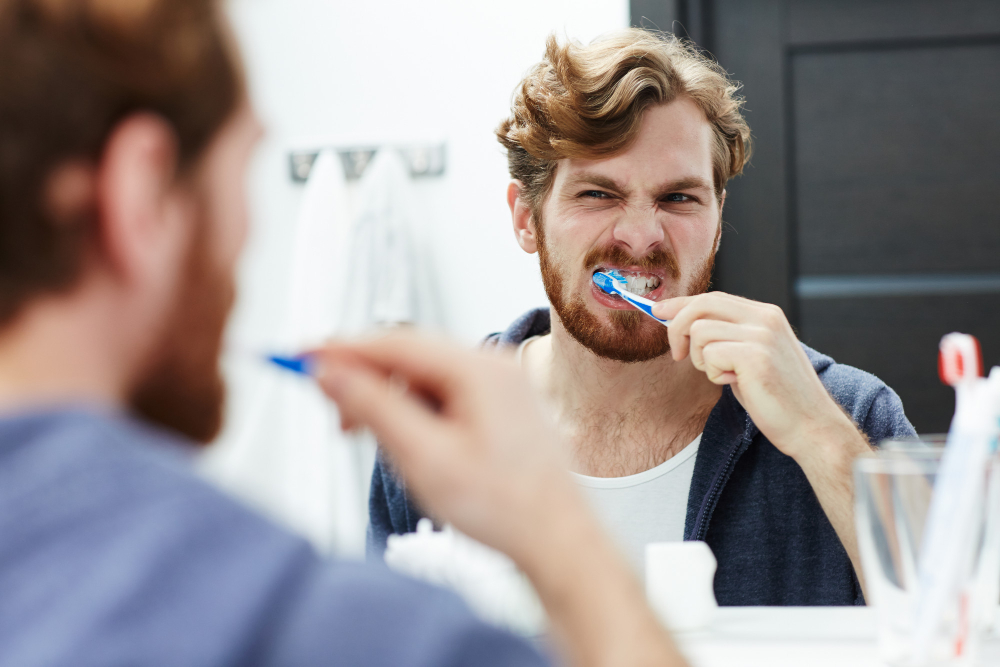
Hard-bristled toothbrushes are less common, but some people prefer them because they believe they offer a deeper clean. While hard toothbrushes can be effective at removing plaque, they come with risks, especially if not used carefully.
Benefits of Hard Toothbrushes
- Effective for Stain Removal: Hard bristles can be more effective at scrubbing away surface stains from things like coffee, tea, and tobacco.
- Good for Some Cleaning Tasks: In certain cases, like cleaning dentures or stubborn stains on teeth, hard toothbrushes may be useful. However, this should always be done with care.
Risks of Hard Toothbrushes
- Enamel Erosion: Brushing too hard with a hard-bristled toothbrush can wear down your enamel over time, which can lead to tooth sensitivity and increased risk of cavities.
- Gum Damage: Hard bristles can irritate and damage your gums, potentially causing them to recede. Once gum tissue is lost, it doesn’t grow back, leading to further oral health issues like tooth sensitivity and even tooth loss.
- Not Recommended for Most People: Due to the risk of enamel wear and gum damage, hard toothbrushes are not typically recommended for daily use by dental professionals.
When to Choose a Hard Toothbrush
- If you have specific dental needs, like heavy staining, and your dentist has recommended it (though even then, softer options might be safer)
- If you’re using it for cleaning dental appliances or other tasks outside of routine brushing
The Verdict: Soft Toothbrushes Are Usually Best
For the majority of people, soft-bristled toothbrushes are the safest and most effective choice for daily use. They’re gentle enough to protect your gums and enamel while still removing plaque and maintaining good oral hygiene.
If you feel like your soft toothbrush isn’t giving you a deep enough clean, the issue might not be the toothbrush itself but how you’re using it. Brushing technique is key—gentle, circular motions and brushing for two minutes twice a day will keep your teeth clean without causing damage.
Other Factors to Consider When Choosing a Toothbrush
Beyond the hardness of the bristles, there are a few other things to keep in mind when selecting the right toothbrush for you:
- Size: Make sure the toothbrush head is appropriately sized to reach all areas of your mouth, especially the back teeth.
- Manual vs. Electric: Electric toothbrushes can provide more effective cleaning and often come with soft bristles. Many people find them easier to use, especially if they struggle with manual brushing techniques.
- Replace Regularly: No matter what type of toothbrush you choose, make sure to replace it every three to four months, or sooner if the bristles become frayed.
Conclusion: Hard or Soft Toothbrush?
When it comes to maintaining your oral health, soft-bristled toothbrushes are almost always the best choice. They’re gentle on your gums and enamel, effective at removing plaque, and suitable for everyone, from kids to adults. Hard toothbrushes may have their place in specific situations, but for daily use, soft is the way to go.
If you’re unsure which toothbrush is right for you, ask your dentist for personalized recommendations based on your unique dental needs. Whatever you choose, remember that good brushing technique and regular dental check-ups are just as important as the type of toothbrush you use.
#ToothbrushTips #SoftVsHardToothbrush #OralHygiene #HealthyTeeth #DentalCare #ToothbrushGuide #GumHealth #SensitiveTeethCare #BrushingTips #SoftToothbrushBenefits
What is FLUORIDE & how is it’s functions beneficial?!
Fluoride is a naturally occurring mineral which assists in preventing cavities.
〰️
It works by strengthening the outer layer of the tooth (enamel).
This makes the tooth surface more resilient to decay causing acids! 💪🏽🦷🪥
Studies show that fluoride in community water systems prevents at least 25 percent of tooth decay in children and adults, even with widespread public access to fluoride from other sources such as fluoride toothpaste.
Dental Tip of the day: Ensure you are brushing twice daily using a fluoridated toothpaste!
.
.
.
#Dentalatkeys #dentalfacts #dentistsofmelbourne #australia #dentalcare #oralhealth #oralcaretips #healthcareprofessionals #oralhygine fluoridefunctions #fluoride #importanceoffluoride #toothpaste #brushing #cavities #enamel #strengthening #preventation #dentalvisits #teeth #healthysmiles #happygums #healthyteeth #checkups #southeastdentists

