What is Enamel Erosion?
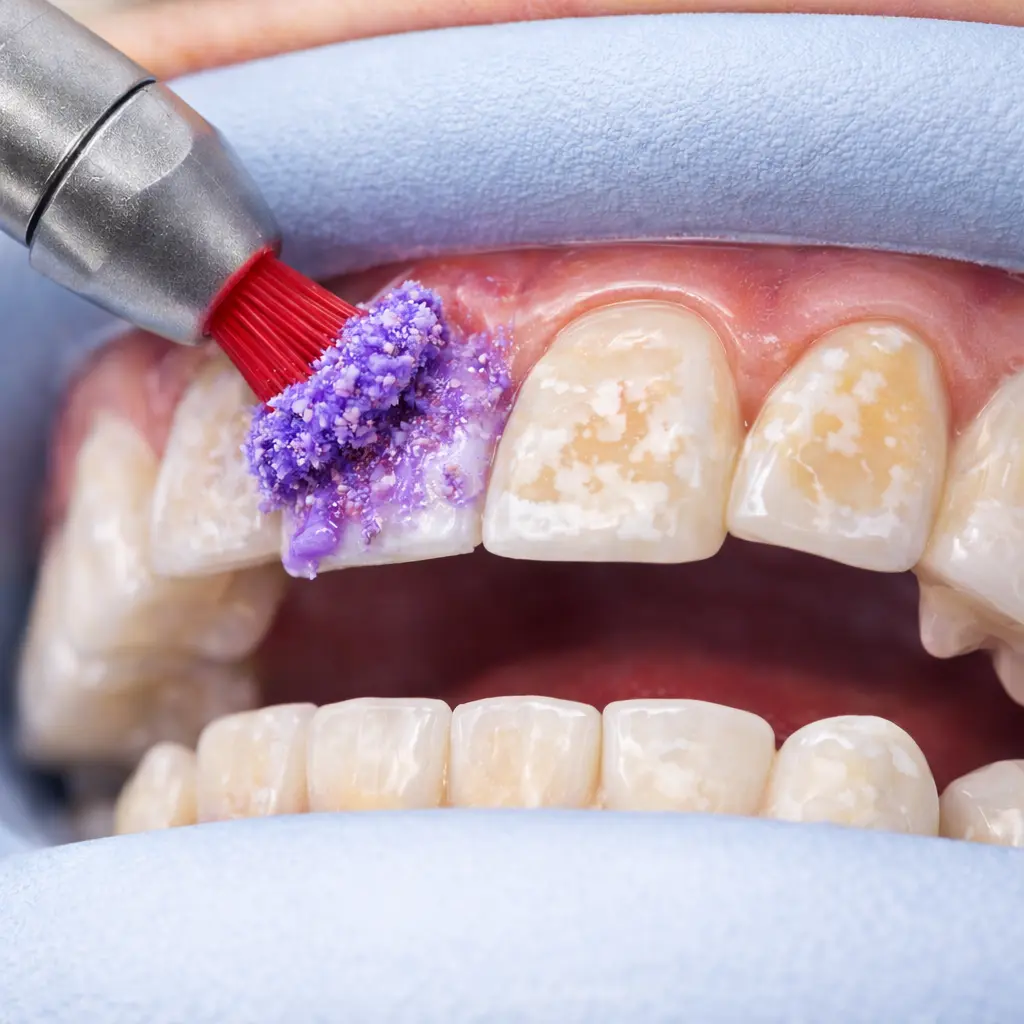
Enamel erosion, also known as Acid Wear, occurs when acids wear away the strong outer layer of your teeth, known as enamel. Since enamel does not regenerate once lost, protecting it is crucial for maintaining long-term oral health.
If left untreated, enamel erosion can lead to tooth sensitivity, cosmetic changes, and even functional damage that requires extensive dental treatment. Early management is key to reducing further enamel loss and protecting your smile.
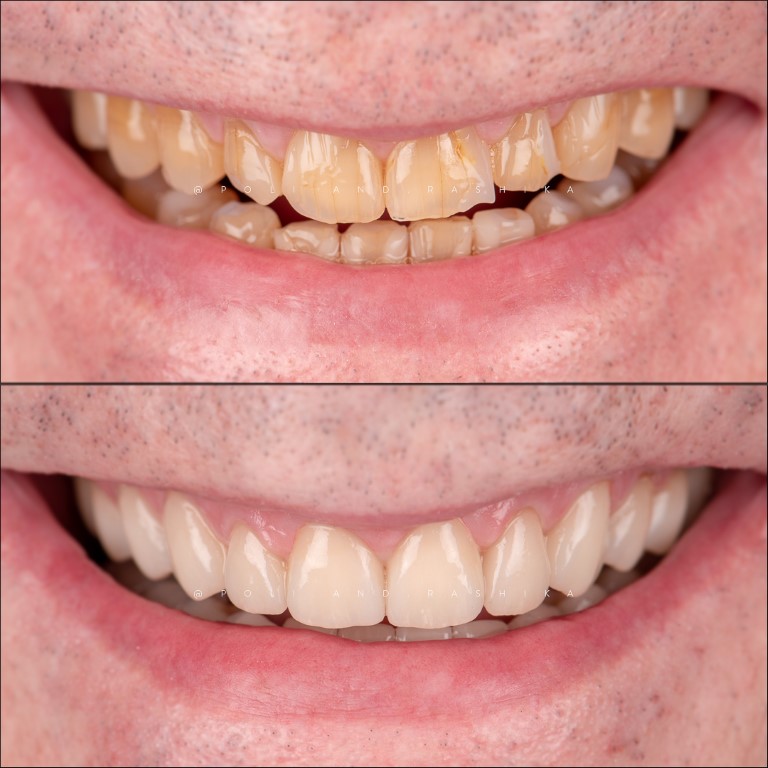
What Causes Enamel Erosion?
Enamel erosion can be caused by both external factors (such as diet and lifestyle habits) and internal factors (such as medical conditions).
Acidic diet
Soft drinks, energy drinks, citrus juices, sports drinks, alcohol, and even frequent snacking on acidic foods can soften enamel, making it vulnerable to erosion.
Acid reflux (GORD)
Gastro-oesophageal Reflux Disease or GORD if when stomach acid rises up into the mouth can repeatedly attack tooth enamel.
Medical Conditions
Eating disorders such as bulimia or anorexia expose teeth to strong stomach acids, accelerating erosion.
Brushing habits
Brushing too hard or brushing immediately after consuming acidic foods and drinks can strip away softened enamel.
Bruxism (teeth grinding)
Grinding or clenching teeth weakens enamel that has already been softened by acids, leading to faster wear.
Symptoms of Enamel Erosion
Enamel erosion can develop slowly and may not always be obvious at first. Common signs include:
- Tooth discolouration: Teeth may appear more yellow as the underlying dentine layer becomes exposed.
- Tooth sensitivity: Hot, cold, or sweet foods may trigger sharp discomfort.
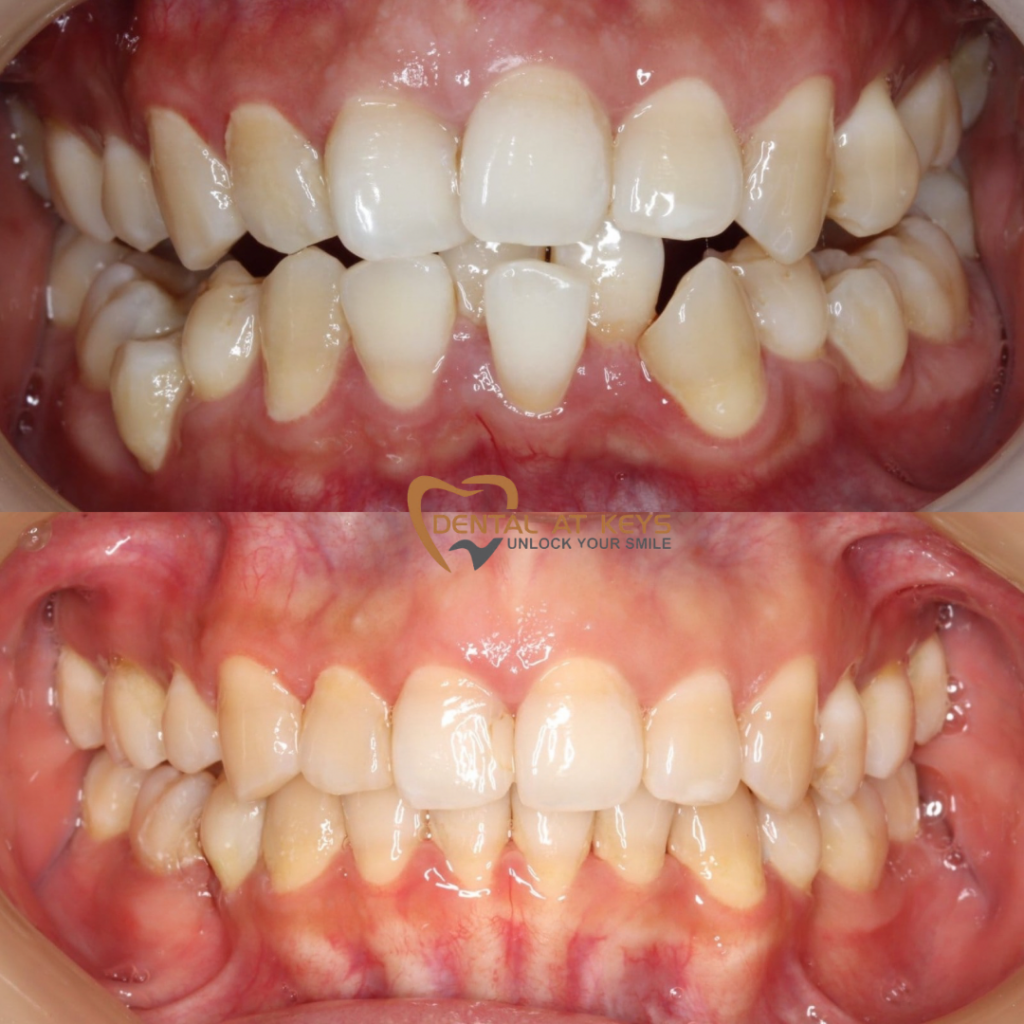
- Shiny or smooth teeth: Acid-worn teeth often look glossy or unusually smooth.
- Flattened or cupped biting surfaces: The sharp points of teeth may become worn down.
- Damage near the gumline: Erosion and wear facets may appear where enamel is thinner.
If you notice these symptoms, it’s important to see your dentist early before the erosion worsens.
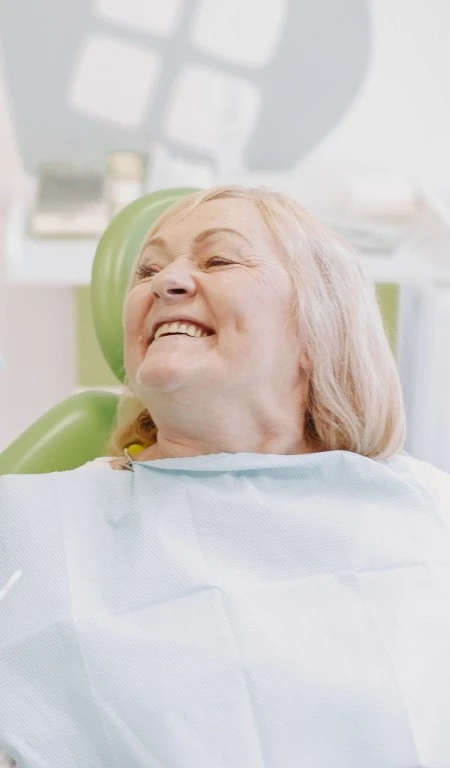

Treatment of Enamel Erosion
The treatment for enamel erosion depends on the cause, severity, and extent of enamel loss.
Addressing the source of acid
- Work with your GP to control acid reflux (GORD).
- Seek medical or psychological support for eating disorders.
- Reduce consumption of acidic foods and drinks.
Lifestyle and oral care adjustments
- Rinse your mouth with water after acidic foods or drinks.
- Wait at least 30 minutes before brushing to allow enamel to reharden.
- Use a soft-bristled toothbrush and fluoride toothpaste.
Dental treatment for severe cases
- Dental bonding or fillings to restore small worn areas.
- Crowns or veneers to rebuild teeth that are extensively eroded.
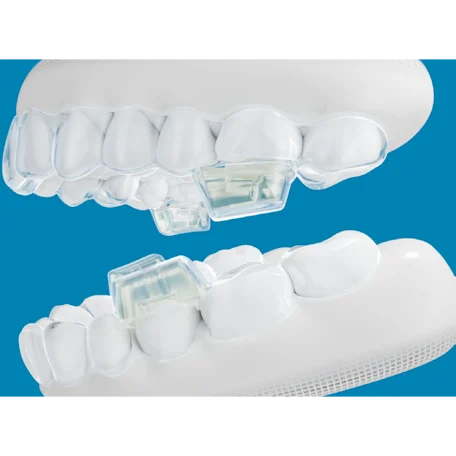
- Grinding Guards for patients with bruxism to protect enamel from grinding.
Preventing Enamel Erosion
Since enamel cannot grow back, prevention is the best defence. Some simple steps include:
- Limit acidic and sugary drinks; use a straw to reduce direct contact with teeth.
- Drink water frequently, especially after acidic foods.
- Maintain good oral hygiene with fluoride toothpaste to strengthen enamel.
- Manage dry mouth (xerostomia), as saliva helps neutralise acids and protect enamel.
- Attend regular dental check-ups so early signs of erosion can be identified and managed.
Talk to Dental at Keys today to assess your oral health!
Dental Services
Full Mouth Dental Implants
Dental Implants
Invisalign
Clear Aligners
Cosmetic Dentist
Veneers
Sleep Dentistry
Teeth Whitening
Wisdom Tooth
Orthodontics
Jaw Expansion
Tooth Extraction
Dental Crown
Dental Bridge
Root Canal Treatment
General Dentistry
Gum Disease Treatment
Tooth Filling
Teeth Cleaning
Dentures
Sleep Apnoea
TMJ
Occlusal Splint
Mouth Guard
Family Dental
Kids Dental
Silver Diamine Fluoride
Fissure Sealants
Frequently Asked Questions

Can enamel erosion be reversed?
What foods and drinks cause enamel erosion?
Soft drinks, citrus juices, wine, sports drinks, vinegar-based foods, and even frequent fruit snacking can all contribute to enamel erosion due to their acidic pH levels.
Is enamel erosion the same as tooth decay?
No. Tooth decay is caused by bacteria producing acids that destroy enamel, while erosion is caused by direct exposure to acids from diet, stomach acid, or habits. Both conditions weaken teeth but have different causes.
How do I know if I have enamel erosion?
Common signs include sensitivity, yellowing teeth, glossy surfaces, or worn biting edges. A dentist can diagnose enamel erosion during a routine check-up.
How can I protect my enamel naturally?
Drink plenty of water, chew sugar-free gum to stimulate saliva, switch to fluoride toothpaste, reduce acidic foods and drinks, and avoid brushing right after meals.