What are Receding Gums?
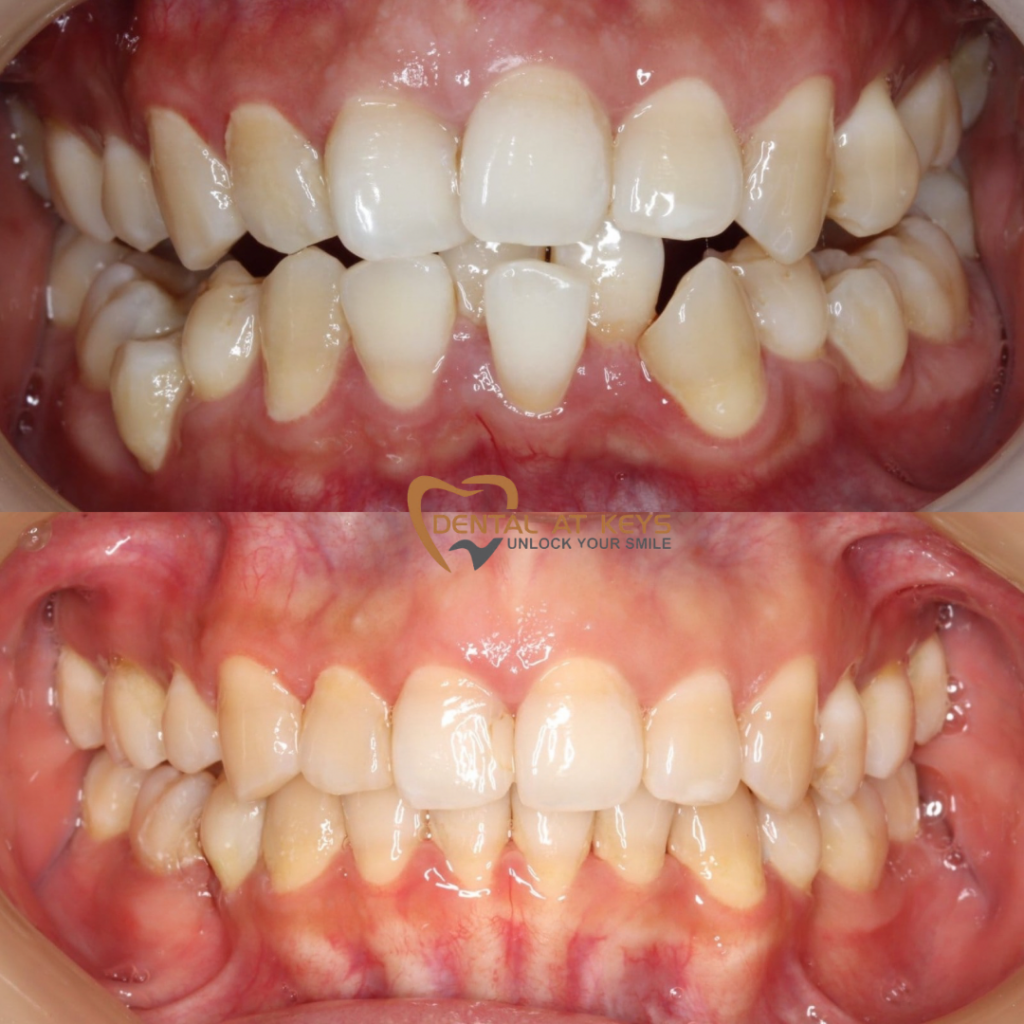
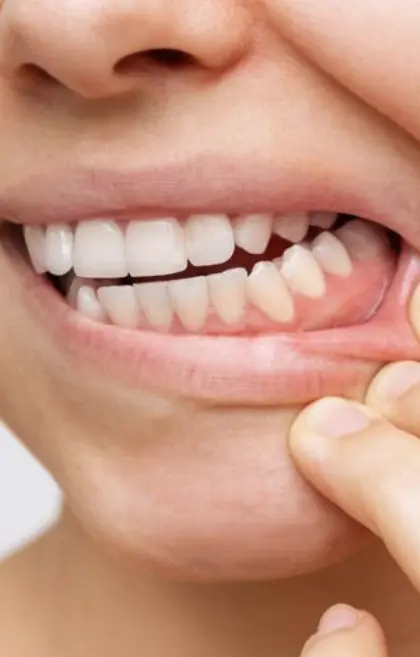
Receding gums can be worrying when you first notice them – they make your teeth appear longer and longer as your gums “shrink”.
It is often linked with tooth sensitivity and may worsen if left untreated. Seeking help early is the best way to protect your teeth and gums from further damage.
What Causes Receding Gums?
Receding gums can occur for many reasons, and often it is a combination of factors. The most common causes include:
Brushing too hard
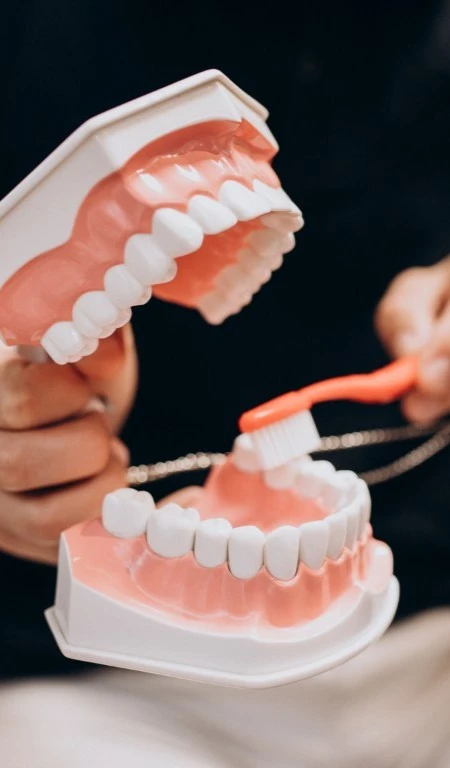
Using a hard toothbrush or brushing aggressively can wear away gum tissue. Always use a soft-bristled toothbrush and gentle pressure.
Teeth grinding or clenching (bruxism)
Excessive force on teeth can damage the supporting gum and bone, leading to gum recession and erosion of the tooth-gum interface area, known as abfracture lesions.
Gum disease (periodontal disease)
Poor gum health can cause bone loss, which in turn makes gums recede.
Genetics
People with naturally thin gums (thin biotype) are more at risk of gum recession.
Tooth position
Teeth that sit outside the natural bone support are more prone to recession. This can be caused by severe crowding, orthodontic treatment or teeth coming out of the gums at the wrong angle
Signs and Symptoms of Receding Gums
In many cases, gum recession develops slowly and may not cause immediate discomfort. However, common signs and symptoms include:
- Tooth sensitivity – especially to cold drinks, sweet foods, or brushing.
- Longer-looking teeth – due to exposed tooth roots.
- Yellow appearance at the gumline – caused by root surface exposure.
Gaps between teeth – as gums shrink, spaces become more noticeable.
Can Receding Gums Be Fixed?
Unfortunately, once gum tissue has receded, it cannot grow back naturally. Treatment focuses on stopping further recession and managing sensitivity. Options include:
Sensitive toothpaste or gels
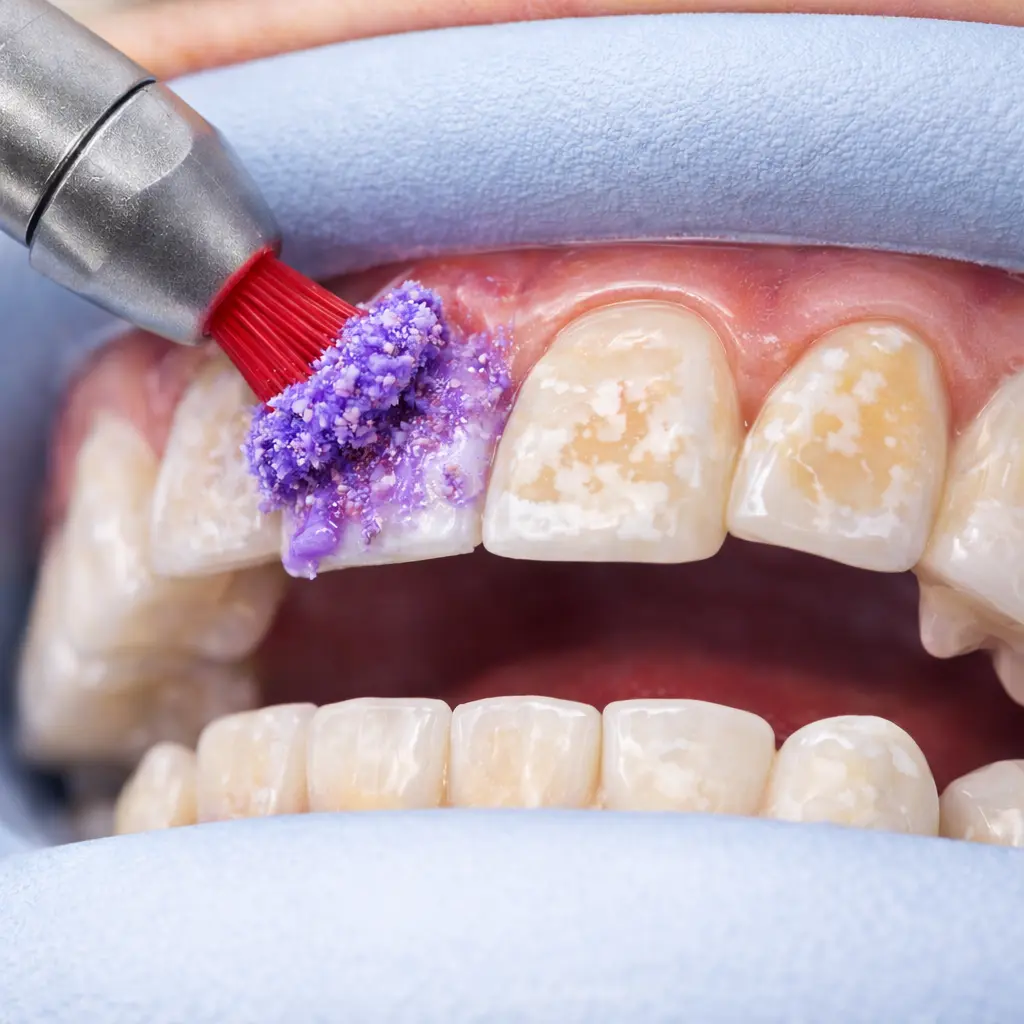
Specialised densensitising gel is applied to the area and left for some time
Tooth-coloured fillings
Sometimes, the exposed areas are so large and sensitive that your dentist needs to cover exposed root surfaces with a filling material.
Gum grafts
In suitable cases, our dentist may use grafted gum tissue to cover the exposed areas. We offer gum grafting services here at Dental at Keys. Contact us to know if you are a suitable candidate!
Orthodontic treatment
Moving the teeth back into the bone for more support can reduce risk in some cases
Prevention and Gum Care
The best way to manage gum recession is through prevention and regular dental care:
- Gentle oral hygiene – Use a soft-bristled or electric toothbrush with a pressure sensor. Clean between teeth daily with floss or interdental brushes.
- Regular dental check-ups and cleans – Professional cleaning removes plaque and tartar that contribute to gum disease and recession.
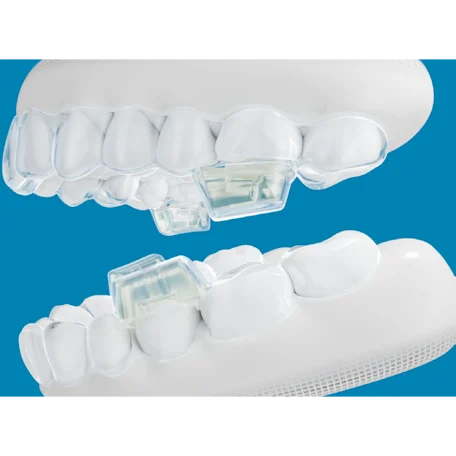
Managing teeth grinding – If grinding is suspected, a night guard may help protect your gums and teeth. In some cases, a sleep study may be recommended to address underlying airway issues first.
If you’ve noticed gum recession or sensitivity, don’t wait until it worsens. Early treatment can protect your teeth and gums for the long term.
Dental Services
Full Mouth Dental Implants
Dental Implants
Invisalign
Clear Aligners
Cosmetic Dentist
Veneers
Sleep Dentistry
Teeth Whitening
Wisdom Tooth
Orthodontics
Jaw Expansion
Tooth Extraction
Dental Crown
Dental Bridge
Root Canal Treatment
General Dentistry
Gum Disease Treatment
Tooth Filling
Teeth Cleaning
Dentures
Sleep Apnoea
TMJ
Occlusal Splint
Mouth Guard
Family Dental
Kids Dental
Silver Diamine Fluoride
Fissure Sealants
Frequently Asked Questions

Can receding gums grow back?
No, once gum tissue has receded, it does not naturally grow back. However, treatment can stop further recession, protect your teeth, and reduce sensitivity. In some cases, gum graft surgery may restore lost gum tissue.
What is the main cause of receding gums?
The most common causes are brushing too hard, gum disease, teeth grinding, genetics, and misaligned teeth. Often, it is a combination of factors rather than one single cause.
How do I know if I have receding gums?
Signs include tooth sensitivity, teeth looking longer, yellow areas near the gumline, or visible gaps between teeth. Your dentist can confirm gum recession during a check-up.
How can I stop my gums from receding further?
You can protect your gums by brushing gently with a soft toothbrush, cleaning between your teeth daily, having regular dental cleans, and managing teeth grinding. Early treatment prevents further damage.
What treatments are available for receding gums?
Treatment depends on the severity and cause. Options may include sensitive toothpaste, tooth-coloured fillings, nightguards for grinding, orthodontics, and gum grafts in advanced cases.