

Unlock Your Smile with Dental at Keys

We Strive to Provide The Best Dental Care For All Our Patients

woman happy smiling flossing teeth cleaning

What is a Dental Clean?

Teeth cleaning is a crucial part of maintaining good oral hygiene and preventing dental issues like cavities, gum disease, and bad breath. While daily brushing and flossing are essential, professional teeth cleaning by a dental professional provides a deeper level of care that keeps your mouth healthy in the long term.

Why is it important to get your teeth professionally cleaned?

Beyond the obvious removal of plaque, calculus (tartar) and stains, teeth cleaning also benefits you by:

Preventing Cavities

 Plaque, a sticky film of bacteria, can accumulate on teeth. If not removed, it can harden into calculus and lead to and increase risk of tooth decay and cavities.

Calculus build-up can lead to inflammation and infection of the gums, also known as gingivitis. It can also create other problems such as gum disease (periodontitis), which can result in tooth loss.

Persistent bad breath, or halitosis, can result from the build-up of plaque, calculus, and food particles that are not effectively removed through regular brushing.

Dental cleaning helps remove surface stains caused by coffee, tea, or tobacco, leaving your teeth looking whiter and brighter.

Research has shown that oral health is closely linked to overall health. Conditions like heart disease, diabetes, and respiratory problems have been connected to poor oral hygiene.

Signs you might need your teeth cleaned

Similar to gum disease treatment, this includes:

  • More than 6 months since your last dental clean (or 3 months if you have Periodontitis)
  • Bleeding gums, especially when brushing or flossing
  • Swollen & sore gums
  • Heavy plaque build-up around your gums
  • Dark brown or black deposits around your gums
young child cleaning teeth with yellow toothbrush
bamboo toothbrush in cup

What happens when I get my teeth cleaned?

A professional dental cleaning session usually involves the following steps:

Oral Examination

The dentist will examine your mouth to check for any signs of gum disease, cavities, or other oral issues prior to your teeth cleaning.

Using an ultrasonic scaler, plaque and calculus around the gumline is removed via vibration and water flushing.

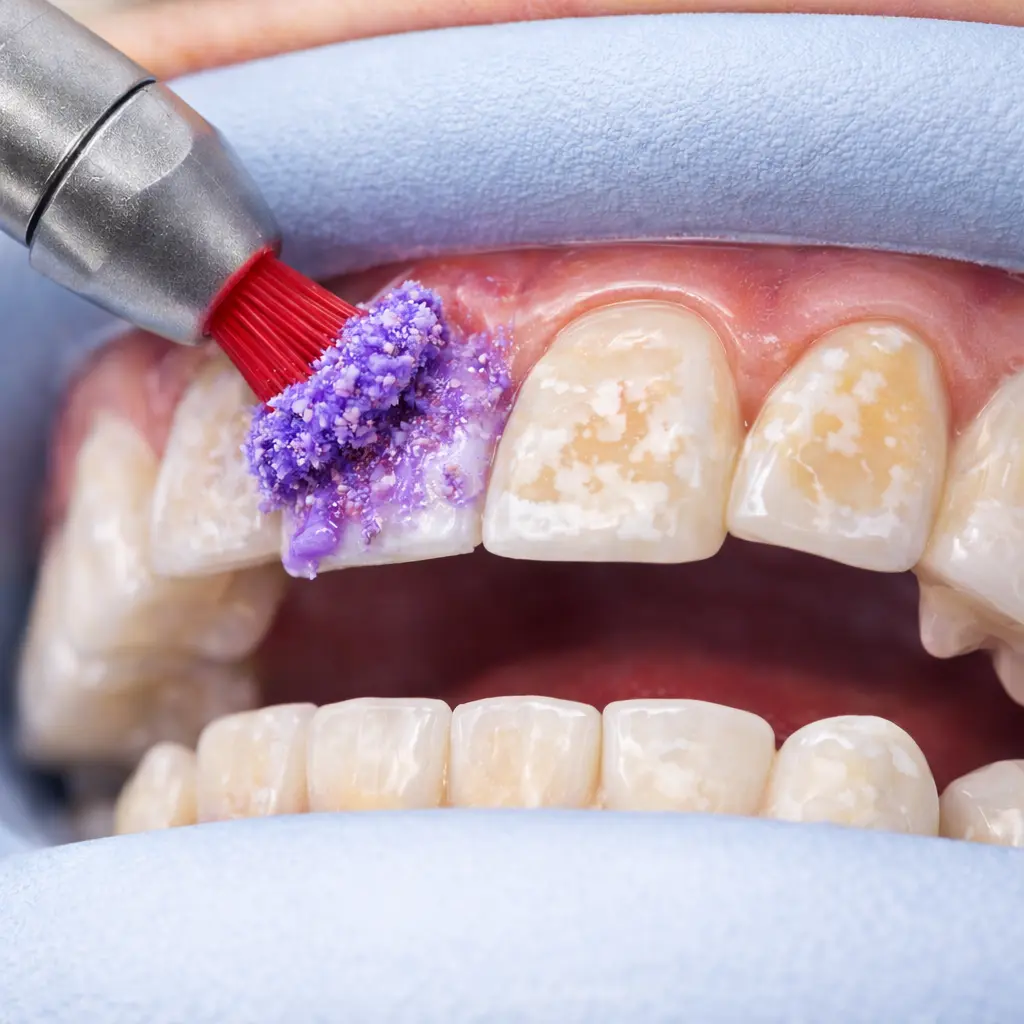
After removing the calculus around the gumline, your teeth will be polished using a gritty toothpaste and an electric polishing system. This helps eliminate surface stains and any plaque on the other teeth surfaces.

Your teeth are flossed to ensure no remaining debris or plaque is left behind. 

*Note: this may not be done if removal of debris was sufficiently achieved during the scaling.

You’ll rinse your mouth to remove any residue from the cleaning.

Fluoride treatment may be applied to strengthen your teeth and protect them from cavities for several months.

What are the possible complications for teeth cleaning (including deep gum cleans)?

Remember that it is your choice if you want to proceed with a clean, and the alternative is not to have one. An oral examination may not be thorough enough if the teeth are not free of plaque and tartar.

There are various possible complications that can occur despite all efforts to the contrary as a result of tooth cleaning which include but are not limited to:

  • Increased sensitivity to hot, cold and sweet drinks or food.
  • Recession of the gum tissue and exposure of root surfaces as the tissue heals and gum swelling decreases.
  • Feeling of gaps between teeth where the build-up used to be. The gaps were previously already there but were filled in with plaque and tartar.

Deep clean (periodontal debridement) complications could also additionally include the following:

  • A black triangle appearance and shadowing between the teeth where the dental papilla has been lost. This is irreversible, but if treatment is successful, it can be masked.
  • Discomfort and soreness in the gums and bony tissue post treatment which can be usually well managed with over the counter pain relief.
  • There are occasions when profuse bleeding of the gums can follow after treatment. Some bruising or swelling of the intraoral and facial swelling may occur and may experience some gum discoloration.
  • Postoperative
  • Surgical procedures may possibly result in injury to the nerves of the lips, tongue, or other oral tissues. Numbness could occur which may be either temporary or permanent.
  • Temporary increases in tooth mobility.
  • To prevent and help manage periodontal disease we advise proper brushing technique, flossing or other interdental cleaning at home and maintaining regular periodontal cleaning and root planning.

It's always such a nice feeling to run your tongue over your fresh, clean teeth!

Common Dental Problems

Tooth Decay
Tooth decay or (cavity), is the unsightly brown or black spot on your tooth. Addressing it promptly is essential as it can often lead to further progression of the decay into the tooth.

Toothache
A toothache is pain in or around a tooth that can range from mild discomfort to severe, throbbing pain. It often signals an underlying dental problem that needs urgent professional attention.

Sensitive Teeth
Refers to a condition when a person experiences sharp, sudden pain or discomfort in their teeth when exposed to certain triggers.

Impacted Wisdom teeth
Impacted Wisdom teeth are your last (third) molars which stuck and can't come out due to their poor angulation. Signs include pain, swelling, infection, and headaches.

Teeth Grinding
Teeth grinding (bruxism), is a common condition where patients unconsciously clench, grind, or gnash their teeth together.

Tooth Abscess
A tooth abscess is a localised collection of pus caused by a bacterial infection inside the tooth or surrounding gum tissue. It often leads to intense pain, swelling, and requires prompt dental care to prevent further complications.
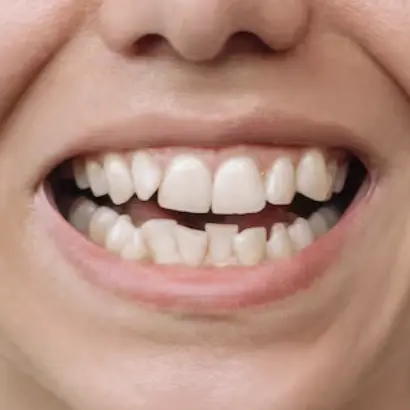
Crowded Teeth
Crowded teeth occur when there isn’t enough space in the jaw for teeth to sit in proper alignment.

Crooked Teeth
Crooked teeth usually develop due to a narrow or restricted jaw that doesn’t provide enough space for teeth to fit correctly.
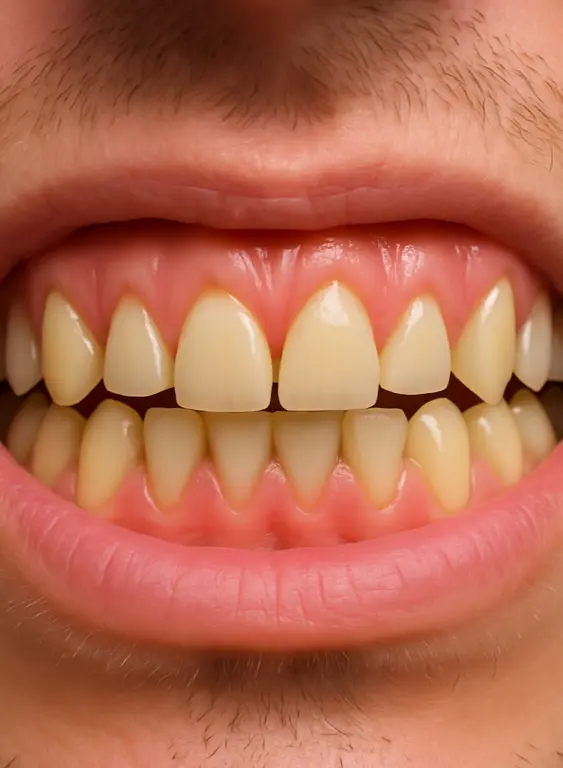
Yellow Teeth
Many people feel self-conscious about yellow teeth or tooth discolouration as it can affect confidence, self-esteem, and appearance.
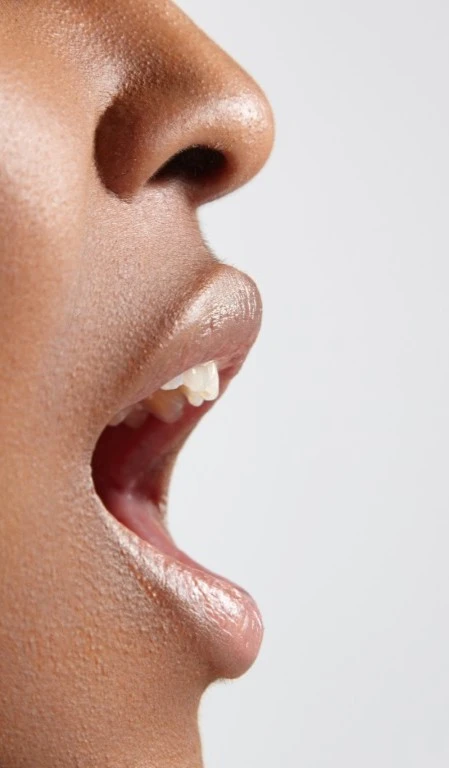
Bad Breath
Bad breath, is a common yet often embarrassing condition that can affect your confidence and social interactions. It may indicate an underlying dental or medical problem that needs attention.
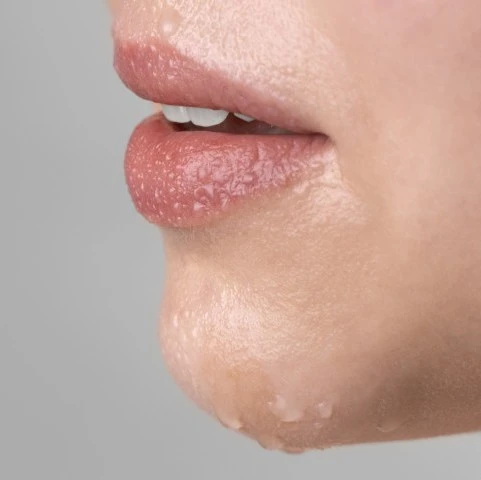
Dry Mouth
Dry mouth, also known as xerostomia, occurs when your salivary glands do not produce enough saliva to keep your mouth moist.

Snoring
Snoring, despite popular belief, is NOT a normal part of sleep. Snoring indicates that the flow of air through the breathing pipes is being restricted, causing vibrations and noise.
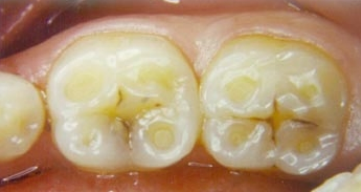
Enamel Erosion
Enamel erosion occurs when acids wear away the strong outer layer of your teeth leading to tooth sensitivity, cosmetic changes, and even functional damage.

Jaw Pain
Jaw pain is a common but often overlooked dental and medical issue which requires early treatment to prevent deterioration of symptoms.

Gum Infection
Gum infections are painful and can cause redness, swelling, bleeding, and pus around the gums.
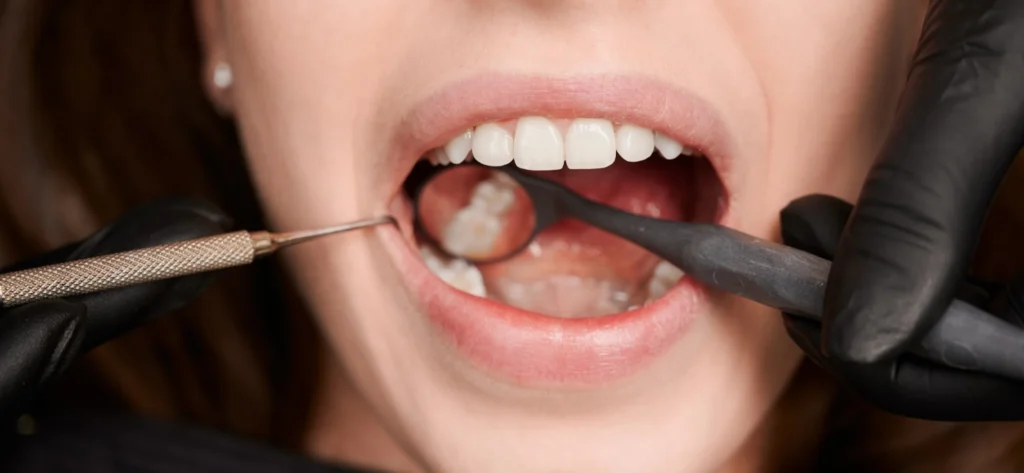
Receding Gums
Receding gums can be worrying when you first notice them. Seeking help early is the best way to protect your teeth and gums from further damage.

Gingivitis
Gingivitis is the reversible inflammation and infection of the gums surrounding the tooth. It is caused by plaque and/or tartar build-up around the teeth.

Cracked tooth
A cracked tooth refers to a condition when a tooth has chipped or fractured which generally results in a "sharp tooth" or at worst, a "tooth ache". Cracks can vary in size, depth, and location, impacting the tooth's structure and overall integrity.

Root Canal Infection
A root canal infection happens when bacteria enter the inner part of a tooth, called the pulp - and can be extremely painful.

Dental Anxiety
Are you scared of the dentist? Do you think you need a lot of work done but can't bear to be in the dental chair?

Frequently Asked Questions

Faq Img
Does teeth cleaning hurt?

For most people, teeth cleaning is not painful, however, some may feel slight discomfort if you have sensitive gums or significant build-up, but the process should not cause pain.

Most extrinsic (external) stains such as the ones from tea and coffee can usually be removed with teeth polishing. Deeper, intrinsic stains may require teeth whitening or enamel microabrasion.

Teeth cleans remove stains but usually does not whiten teeth. Whitening teeth requires a different process.

Yes, a professional teeth clean is safe during pregnancy and is actually encouraged. Poor gum health has shown to have increased risks for pre-term and low birth weight babies. It is imperative to maintain excellent oral health during pregnancy, also due to hormonal changes.

Latest News

Your local Dentist in Keysborough
A Smile For Every Age