ClickCease

Hypomineralised Teeth (Chalky Teeth)

Chalky teeth (Dental term: Hypomineralised teeth) develop when the enamel does not form properly, resulting in a compromised structure. This can cause the teeth to appear chalky white, yellow, or even brown. Since these areas are more porous, they are weaker and prone to breaking down faster than normal enamel. Read on to learn more about how to manage Chalky teeth with us in Keysborough.

hypomineralised teeth

What Causes Hypomineralised Teeth?

Despite being relatively common, there is no single known cause of hypomineralised teeth. There are times when there are no obvious causes found. However, some factors have been linked to its development, including:

  • Certain antibiotics, if taken by the mother during pregnancy or by the child while their teeth are developing. These antibiotics are no longer used in pregnant women or in very young children.
  • Severe illness during early childhood.
  • Excessive fluoride intake.

Symptoms and Concerns

Your dentist will monitor your teeth every six months. If hypomineralisation of teeth is detected, maintaining excellent oral hygiene is crucial to prevent further breakdown. If you notice unusual discoloration or areas of weakness, consult your dental professional as soon as possible.

In cases where teeth break down easily, early intervention is key to preventing complications.

How to Manage Hypomineralised Teeth

There is no cure for hypomineralisation of teeth, but preventive and cosmetic treatments can help manage the condition:

  • Preventive Care: Applying high-strength fluoride varnish or fissure sealants can help protect affected teeth.
  • Whitening Treatments: While teeth whitening can sometimes improve discoloration, it must be done carefully, as white hypomineralised areas may become more pronounced.
  • Enamel Microabrasion: This procedure involves applying a special material to the enamel to improve its appearance.
  • Veneers: In severe cases, composite or porcelain veneers may be recommended for cosmetic improvement.

Prevention and Maintenance

Since chalky teeth are more prone to cavities and breakdown, maintaining good oral hygiene is essential:
  • Brush twice a day with fluoride toothpaste.
  • Floss daily.
  • Maintain a balanced diet.
  • Use any medicated toothpaste or remineralising agents recommended by your dentist.

Book an appointment with Dental at Keys today for a professional assessment and tailored treatment plan!

Frequently Asked Questions

Faq Img
Are chalky teeth more sensitive?

Yes. Because hypomineralised teeth have weaker enamel, they are often more sensitive to hot, cold, or sweet foods. This sensitivity happens because the protective outer layer of enamel is not as strong, leaving the teeth more vulnerable to discomfort and decay.

Unfortunately, hypomineralised teeth cannot always be prevented, as the condition develops while the teeth are forming. However, regular dental visits, good oral hygiene, and early treatment can help manage symptoms, protect affected teeth, and prevent further damage.

Chalky or hypomineralised teeth are most commonly noticed in children when their permanent molars and incisors start coming through. However, adults can also have chalky patches if their enamel didn’t form properly during childhood, or if the enamel has been weakened over time.

No. While both conditions affect the enamel, chalky teeth (hypomineralisation) are caused by issues during enamel development, not by bacteria. However, because the enamel is weaker, hypomineralised teeth are more likely to develop cavities if not protected and treated.

Yes. Hypomineralised teeth may appear patchy or discoloured, which can make children or teenagers feel self-conscious about their smile. Treatment options such as bonding, microabrasion, or crowns can improve the appearance of chalky teeth and boost confidence.

While chalky teeth are not an emergency, they should be assessed by a dentist as soon as possible. Early treatment can prevent enamel breakdown, reduce sensitivity, and lower the risk of decay. Addressing the issue early often avoids more complex dental work later.

Zirconia Implants in Keysborough

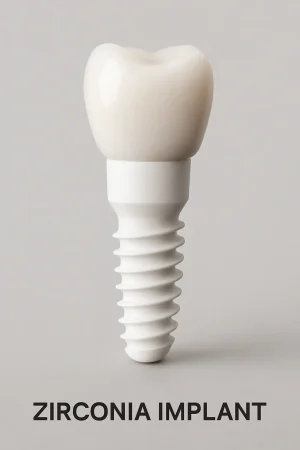
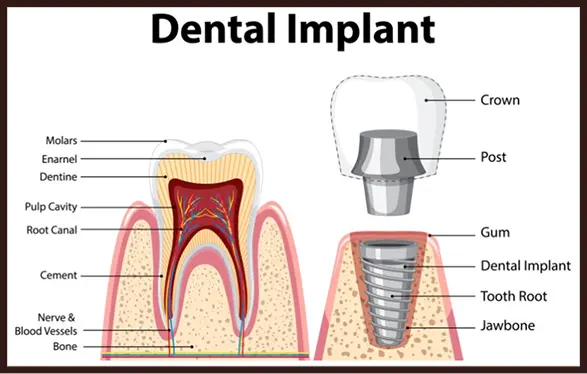
Dental implants are an effective and permanent solution for replacing missing teeth. While Titanium-based implants are the most commonly used, our Zirconia implants in Keysborough provide a metal free Dental Implant alternative made from a ceramic material called Zirconium Dioxide. Zirconia has been used for many years in various dental procedures, such as crowns and implant restorations, due to its natural look and compatibility with the body.

Zirconia Implant Render

Why Choose Zirconia Implants?

There are several reasons why you might opt for Zirconia dental implants. One of the most common is if you have an allergy or sensitivity to metals, particularly the alloys found in Titanium implants. If metal allergies are a concern, they can be identified through allergy testing, and Zirconia can serve as an ideal solution without triggering any adverse reactions.

Additionally, some may prefer Zirconia implants for personal or aesthetic reasons, especially those who prefer to avoid any metal in their mouth. Zirconia offers a more natural, tooth-like appearance, making it especially desirable for those who need an implant in the front of their mouth where the cosmetic outcome is important. If you have thin gums, Zirconia can also provide a more seamless integration with your natural gum line.

What Are Zirconia Implants Like?

Zirconia implants are made from a strong, white ceramic material, providing a more natural and aesthetically pleasing appearance. These implants are designed to resemble screws and are carefully affixed to the jawbone, where they integrate over time. Due to the ceramic composition, Zirconia implants lack the metallic shine of Titanium, offering a more discreet and natural look, especially for front teeth.

Zirconia vs Titanium: Which Is the Better Option for You?

Titanium is the most widely used material for dental implants, and it’s been thoroughly researched over several decades. This wealth of information has provided evidence of Titanium’s strength, reliability, and long-term success in implant dentistry. Titanium implants are particularly known for their ability to withstand pressure and stress, thanks to their higher flexural strength and thermal conductivity.

Zirconia, however, is a newer material and lacks the extensive research that Titanium has accumulated. Despite this, Zirconia implants are becoming increasingly popular for patients who prioritise aesthetics and want to avoid metal implants. While Zirconia may not be as mechanically strong as Titanium, it’s still a durable and biocompatible material that works well for many patients.

Ultimately, the best implant option depends on several factors, such as the location of the implant, your personal preferences, and the quality of your bone. It’s important to discuss these options with your dentist, who can guide you through the process and help you choose the right material for your needs.

Dental Implant Infogram

Interested in a Zirconia Implant solution? Book a consult now to find out more at Dental at Keys!

Frequently Asked Questions

Faq Img
What is the cost for a Zirconia Implant?

Zirconia implants have a similar cost to our titanium implants. As Zirconia implants are not as popular as their titanium counterpart, there may be an increase in wait-times before we can order it in.

The main difference is the material: titanium is a metal, while zirconia is a ceramic. Both are biocompatible and integrate well with the jawbone, but zirconia implants are completely metal-free, making them an excellent choice for patients with metal sensitivities or those who prefer a holistic option. Additionally, zirconia implants are naturally white, which can make them more aesthetically pleasing in areas where the gums are thin or prone to recession.

Yes. Zirconia is a highly biocompatible material, meaning it is well-accepted by the body and integrates strongly with the jawbone. It is also resistant to plaque build-up, which may help maintain healthy gums around the implant. For patients concerned about potential allergic reactions or sensitivities to metal, zirconia offers a safe and reliable alternative.

When placed correctly and cared for properly, zirconia implants can last many years — often decades. Their strength and durability are comparable to titanium implants. However, just like natural teeth, their success depends on good oral hygiene, regular dental check-ups, and healthy lifestyle choices such as avoiding smoking.

Most patients who are suitable for titanium implants can also consider zirconia implants. You may be a good candidate if you:

  • Have missing teeth and want a long-lasting replacement

  • Prefer a metal-free or holistic option

  • Have healthy gums and sufficient jawbone for implant placement

  • Are free from uncontrolled medical conditions that could affect healing

Your dentist will assess your oral health, bone structure, and treatment goals to determine if zirconia implants are the right choice for you.

Stainless Steel Crowns in Keysborough (SSCs)

Stainless steel crowns are an effective solution for restoring and protecting baby teeth damaged by decay or fractures. These durable crowns cover the entire visible surface of the tooth, providing long-lasting protection and helping preserve the teeth until they naturally fall out at the appropriate age. Learn more about Stainless Steel Crowns in Keysborough by reading our blog post below!

Why does my child need Stainless Steel Crowns?

The enamel on baby teeth differs significantly from the enamel on adult teeth. This difference makes fillings on baby teeth less durable, as the bonding strength is weaker. As a result, fillings on baby teeth can frequently dislodge or wear down. Stainless steel crowns offer a reliable solution by fully covering and protecting the entire tooth, ensuring long-lasting durability and protection.

How do I know if my child needs a Stainless Steel Crown?

We start with a thorough and gentle examination of your child’s teeth in a calm, friendly environment. Our goal is to ensure the experience is comfortable and enjoyable for your child. Plus, our ceiling-mounted TV keeps kids entertained and relaxed throughout the check-up!

If we detect any cavities during the examination, we carefully evaluate the extent of the decay both visually and through X-rays. Additional factors we consider include your child’s age, the expected timeline for the baby tooth to fall out, and the position of the incoming adult teeth.

For small cavities, a filling may be sufficient. However, for larger areas of decay, we often recommend a stainless steel crown to provide optimal protection and durability.

What is the process for getting a Stainless Steel Crown?

Once our Dental professional determines that your child needs a stainless steel crown, the procedure will vary depending on the type of preparation required.

No/Minimal Preparation: Hall Crown Technique

  1. Placement of Separators:
    • Your child will visit the clinic 1–2 days before the crown appointment to have small rubber bands, called separators, placed between the affected teeth.
    • These separators create space for the crown and must remain in place for at least 1–2 days. Avoid sticky foods and discourage your child from playing with the separators.
  2. Crown Placement Appointment:
    • At this visit, we remove the separators, and the stainless steel crown is placed on the tooth.
    • We choose the appropriate size and adjust for a snug fit.
    • The tooth is thoroughly cleaned, and a bonding material is applied to secure the crown in place. Any excess material is carefully removed.
  3. Post-Placement Adjustment:
    • Initially, the crown may feel higher on your child’s bite, but the bite will naturally adjust over the next couple of weeks.
    • This technique typically does not require anaesthetic.

Conventional Prepared Crown

If the tooth requires preparation or pulp therapy:

  1. Numbing the Tooth:
    • We numb the area using special numbing gel and local anaesthetic to ensure your child’s comfort.
  2. Tooth Preparation and Crown Placement:
    • The tooth is carefully prepared, and any necessary pulp therapy is performed.
    • A preformed stainless steel crown is selected, adjusted, and fitted to the tooth using the same process as the Hall Crown.

Both methods restore your child’s tooth effectively and comfortably.

child brushing teeth in mirror

How Do We Care for a Stainless Steel Crown After Placement?

Caring for a stainless steel crown is similar to maintaining your child’s natural teeth. Follow these tips to ensure its longevity and success:

  • Healthy Diet: Encourage a balanced diet and limit sugary and processed foods to occasional treats, not daily indulgences.
  • Daily Brushing: Brush the crown along with the rest of your child’s teeth twice a day using a soft-bristled toothbrush, whether manual or electric.
  • Flossing: Floss around the crown, especially at the front and back, to prevent plaque build-up and maintain gum health.
  • Sticky Foods: Avoid very sticky lollies and snacks, as they can potentially loosen the crown.
  • Regular Dental Check-ups: Keep up with routine dental visits to monitor the crown and overall oral health.

With proper care, the stainless steel crown can protect your child’s tooth effectively until it naturally falls out.


Contact Dental at Keys For Your Child’s Dental Needs

We understand the importance of creating the ideal environment for your child’s dental visits. Our team is dedicated to providing exceptional care, ensuring every child feels comfortable and supported. We’re grateful to have earned the trust of so many families in our community to care for their most precious little ones. See us for your child’s Stainless Steel Crowns in Keysborough.

Please see our Kids Dental page for more info!

Stainless steel crowns are a safe and effective way of restoring your child’s baby teeth.

Frequently Asked Questions

Faq Img
Are stainless steel crowns safe for children?

Yes, stainless steel crowns are completely safe and widely used in children’s dentistry. They are biocompatible, strong, and have been used for decades as a reliable treatment option. Because they fully cover the tooth, they also prevent bacteria from re-entering, reducing the risk of future infections or decay.

Stainless steel crowns are designed to last until the baby tooth naturally falls out. In most cases, they stay securely in place until the permanent tooth is ready to come through. This makes them an excellent long-term solution for protecting children’s teeth without needing repeated dental treatments.

Caring for a tooth with a stainless steel crown is just like caring for any other tooth. Encourage your child to:

  • Brush twice daily with fluoride toothpaste

  • Floss once a day

  • Avoid sticky, hard, or chewy foods that might loosen the crown

  • Visit the dentist regularly for check-ups

With good oral hygiene and regular dental care, stainless steel crowns help keep your child’s smile healthy until their adult teeth come in.

If your child is eligible for the Medicare Child Dental Benefits Scheme, then the cost of the crown will be covered under this. Our private fees for this range from $250+; depending on the complexity.

Why is Oral Hygiene Important?

Good oral hygiene helps to prevent a range of dental problems such as tooth decay, gum disease and bad breath. While brushing your teeth every morning and night is a great start, proper effective oral hygiene requires a bit more work and commitment.

Correct brushing techniques

It is important to brush your teeth twice a day, for 2 minutes long. Any less than this possibly means you are not cleaning your teeth as effectively as you should be. Brush your teeth in a circular motion, whilst covering all the surfaces of the tooth. Don’t forget to brush the inside and outside surfaces! Angle the brush 45 degrees into the gum when cleaning around the gumline. This helps to get the bristles under the gum a little to get rid of plaque.

Ensure that you use a SOFT bristle brush. Anything harder may damage your gums and may cause recession (and hence sensitivity). A manual or electric toothbrush is a personal preference. Both are equally effective in cleaning however the electric brush does the circular movement which makes it easier for some.

What toothpaste should I use?

It’s important that you choose a toothpaste that is fluoridated. Fluoride helps to harden enamel and reduces the risk of decay. Children under 6 should be using a low-fluoride version and child older can use a pea-sized amount of adult toothpaste.

What about flossing?

Flossing, or cleaning between your teeth is equally as important as brushing twice a day. If you do not floss, you will miss about 30% of the tooth’s surfaces. These areas are a potential hole waiting to happen. You’ll notice as well that your gums may bleed more easily if you haven’t flossed for a while – this is a sign of gum disease. We recommend running the floss around your middle fingers and using your index finger &/or thumb to run the floss down between your teeth in a slow, gentle, sawing motion. If you have large gaps between your teeth, interdental brushes like the Piksters we sell are much easier to use than floss.

Is there anything else I should know?

Having a good diet not only benefits your oral health, but also your general health as well. It is important that you try to eliminate the amount of sugary food and fizzy drinks in your diet. Sugar is converted to acid by the bacteria in your mouth which then dissolves the minerals in your tooth enamel, causing decay/holes. Acidic foods and drinks can also cause tooth erosion which causes sensitivity, discolouration and cracks over time. Ideally, you should be not only be reducing the amount but the frequency of intake as well (ie. reduce the number of snacks you have).

It is a good idea to rinse your mouth with water or a mouth rinse after every meal. Cleaning your tongue may help to reduce the amount of bacteria causing bad breath. Try not to use your teeth to open bottles or to crack nuts as they might crack, chip or break! Remember to visit your dentist every 6 months for a check and clean to maintain your healthy teeth!

Oral Health tips for Babies and Toddlers

A good oral health routine from when your children are young is very important in establishing good oral hygiene habits. In this blog, we will discuss our top oral health tips for babies and toddlers, helping you to ensure they develop beautiful, healthy smiles.

Breastfeeding

For this Oral health tips blog, we won’t go into detail when it comes to breastfeeding and bottle feeding, however it is commonly accepted that if you can breastfeed, this is best for your baby. Breastfeeding in particular allows your baby to develop proper tongue placement and suckling habits – which is great for the development of their jaws. Read more about this here.

In the first 6 months of your baby’s life, breast milk or infant formula provides all the nourishment they need. Once your baby has finished feeding, it’s important to remove them from the breast or bottle.

Sleeping with a bottle

When babies fall asleep with a bottle, some of the milk remains in their mouth and on their teeth. Because this can cause tooth decay, and also increase the risk of choking and ear infection. We recommend that you do not allow your child to bring the bottle to bed. Furthermore, this can have a detrimental effect on the shape of the jaws if your child suckles on the teat the whole night – this constant pressure can reshape the jaw into a narrow, V-shaped arch with a large overjet.

Using Cups from 6 months of age

Between 6 and 12 months, your baby can progress from drinking from a bottle to a cup. When babies reach the age of 12 months, they should only drink from a cup. There are lots of different cups out there, including the non-spill versions. Using a cup discourages the improper placement of the tongue, again changing the shape of the upper jaw and tongue thrusting.

Water is the best drink for everyone

Water should be your toddler’s go-to drink, making sure they drink tap water throughout each day. For babies aged under 12 months, tap water should be boiled and cooled before drinking.

In Melbourne, our water is fluoridated, which helps protect teeth from decay. In contrast, most shop-bought bottled water doesn’t contain fluoride.

Drinking Milk

Milk is a good source of calcium which helps make teeth strong and healthy. While babies under 12 months should be drinking breastmilk or infant formula, children aged 1 to 2 years can drink plain full fat cow’s milk.

After 2 years of age, low-fat milk is suitable. Note that flavoured and formula milk may have added sugar which can cause tooth decay.

Nobody needs fruit juice or sweet drinks

Fruit juice and sweet drinks can greatly increase the risk of tooth decay and are not recommended for children under 12 months. Important to note, fruit juice with ‘no added sugar’ still contains natural sugar, which can also cause tooth decay. Diet soft drinks contain acids which can also damage teeth. Sweet drinks that should be avoided completely include soft drinks, fruit juice, sports drinks, cordial, tea drinks, fruit drinks and energy drinks.

Healthy meals and snacks are important for healthy teeth

From 12 month of age, children should be enjoying a wide variety of healthy foods, similar to the rest of the family’s diet. They learn about eating food from watching their parents and other family members and so it’s important to set a good example and create healthy habits. Solid foods are also important for jaw development (improving the jaw shape, size and muscles).

Another interesting fact is that babies don’t have a preference for sweetness. With many common foods containing sugar, it’s actually something they become accustomed to when they consume sweet foods and drinks regularly. We recommend avoiding anything sugary in their formative years.

Cleaning your baby’s teeth when they appear

As your baby’s teeth erupt, you can begin cleaning them by wiping them with a soft cloth or brushing with a small toothbrush and water. At 12 months, you can begin using a pea-sized amount of low-fluoride toothpaste to brush your child’s teeth. Make sure they spit out the toothpaste after brushing but do not rinse. Some children take a while to get used to spitting out so monitor this closely before proceeding to the next type of toothpaste.

Most children will need an adult to help them brush their teeth and gums twice a day until they reach 7 to 8 years old. Remember, you can floss your babies teeth even if there are lots of gaps. It’s important to establish good oral hygiene habits early.

Book your child in for a dental visit at or before 2 years of age

Your toddler’s first oral health assessment can be provided by a dentist, oral health professional, child health nurse or doctor. Beginning regular check-ups from the age of 2 enables any dental problems to be identified early and treated in its early stages. We also encourage taking X-rays and cleaning their teeth professionally early – which helps develop good oral hygiene habits. Oral Health tips for Babies and Toddlers are important for all parents to know.

Oral health is important for the whole family

Babies are not born with the bacteria that causes tooth decay. Did you know that often parents and carers pass this bacteria to babies? To help prevent this, we recommend that:

  • Everyone in the family brushes their teeth twice a day with their own toothbrush. Don’t forget about the flossing!
  • Everyone (including pregnant women) have a regular dental check-up so that any tooth decay can be promptly treated.
  • Try to avoid putting anything in your baby’s mouth if it’s been in your mouth. For example, sharing spoons or cleaning dummies by putting them in your mouth.

How Dental at Keys Can Help With Your Teeth

At Dental at Keys, we are committed to providing expert care to effectively address your kid’s teeth and gum health. Our approach begins with personalised assessments, where we thoroughly examine your symptoms, jaw, teeth, and bite alignment to identify the root cause of your discomfort. 

Using advanced dental technology, we ensure accurate diagnostics to guide the most effective treatment plan. Throughout the process, our compassionate team offers ongoing support, guidance and follow-up care. If you want to learn more about Oral Health tips for Babies and Toddlers, contact us to organise a visit to check your oral health and overall wellbeing with patient-focused, professional care. 

The Maryland bridge is a lesser-known type of dental bridge often overlooked by patients. Developed and popularised by the University of Maryland in the early 1980s, Maryland Bridges provide a cost-effective option, particularly for patients seeking a conservative approach.

What is a Maryland Bridge?

A Maryland Bridge is a prosthetic item that is used when a single front tooth is missing. The most common teeth to be replaced with a Maryland Bridge is the bottom or top front teeth. Unlike traditional Dental Bridges, Maryland Bridges use a metal or porcelain framework and a wing to bond to the back of adjacent teeth, offering a minimally invasive solution for replacing missing teeth.

These bridges can be made from various materials, including porcelain, porcelain fused to metal, ceramics such as E.Max (Lithium Disilicate) or Monolithic Zirconia, and even metals like such as gold.

The benefit of a Maryland Bridge is that there is much less preparation and thereby, damage done to the surrounding teeth in order to construct a Bridge.

How long do Maryland Bridges last?

Maryland Bridges are a popular choice for tooth replacement, with a typical lifespan of 7-10 years or more. Key to the success and longevity of a Maryland Bridge is a favourable bite alignment — meaning the bridge should avoid direct impact when moving teeth side-to-side or front-to-back. Because they are not as strong as other prosthetics, it’s best to avoid biting hard foods directly on them. With proper care and regular dental check-ups, a Maryland Bridge can last longer, and if it becomes dislodged, it can often be re-bonded.

Do  you need to drill my tooth for the Bridge?

When considering a Maryland Bridge, it’s essential to understand the two types available, each with different requirements for tooth preparation:

No preparation This requires no drilling on the adjacent teeth. Instead, the teeth are cleaned and prepared using special dental materials like etchants and bonding systems. While this approach is more conservative, it can be slightly more challenging to seat and bond firmly compared to bridges with minimal preparation.

Minimal Preparation In this type, the adjacent teeth undergo very minimal drilling to create space and enhance retention for the bridge wings. This slight preparation allows the wings to fit more accurately and securely.

Each option has its benefits, and our team of Dentists can recommend the best type based on your specific dental needs.

How much does a Maryland Bridge cost?

The cost of a Maryland Bridge can vary based on factors like the material chosen and the complexity of the procedure. Generally, Maryland Bridges are more affordable than traditional 3-unit bridges, making them a popular choice for patients seeking a cost-effective tooth replacement. It’s also important to discuss potential re-bonding costs with your dentist, as these may vary depending on the case if the bridge becomes dislodged.

For personalised cost estimates and options, consult with our Team to find the right fit for your dental needs.

How do I clean my Maryland Bridge?

Cleaning a Maryland Bridge requires special care due to its design, which joins two natural teeth with one artificial tooth, making conventional flossing impossible. To maintain optimal oral hygiene and extend the life of your dental bridge, it’s recommended to use tools like Superfloss or interdental brushes to clean under and around the bridge. These tools help remove plaque and debris, keeping surrounding teeth and gums healthy. Proper cleaning is essential for the longevity of your Maryland Bridge and overall dental health

What are other alternatives if I don’t want a Maryland Bridge for Replacing Missing teeth?

If a Maryland Bridge isn’t the right choice for you, there are several other effective options for replacing missing teeth. Alternatives include dental implants, dentures, natural tooth bridges, cantilever bridges, and traditional dental bridges. In some instances, Orthodontic Treatment such as braces or Clear Aligners may be possible to close the space. Each of these solutions offers unique benefits, so it’s essential to choose one that suits your cosmetic and functional needs. In some cases, if the gap is not visible or does not affect oral function, leaving the space as is may be a viable option.

Summary

The Maryland Bridge’s conservative approach makes it a popular choice for patients seeking a tooth replacement option that preserves as much natural tooth structure as possible. Discover if the Maryland Bridge is the right solution for you today by contacting our team now!

What is a Water Flosser?

A water flosser is an electric oral care device that uses pressurised bursts of water to remove plaque and debris from between teeth and along the gumline. Water flossers can be highly effective, especially for people with specific dental needs. 

They are ideal for those with larger gaps between teeth (common in gum disease), dental implants, complex bridgework, or orthodontic appliances like braces. Water flossers are also beneficial for individuals with limited manual dexterity who find traditional flossing or interdental brushes challenging.

Do Water Flossers work?

Unfortunately Water Flossers do not allow you to dispense with floss or Interdental brushes entirely. Water flossers are effective at removing larger debris and plaque from between wide gaps in teeth. However, they may not be as effective at cleaning smaller, tighter spaces compared to traditional flossing or using interdental brushes. For the most thorough cleaning, especially in tight spaces, conventional flossing and interdental brushes remain superior to water flossers.

How to use a Waterflosser?

Using a waterflosser is simple and effective for cleaning between your teeth and along the gumline. Start by filling the water reservoir and choosing the appropriate tip size based on your dental needs. For best results, use the water flosser over a sink or in the shower to avoid water splashing. Lean over the sink and aim the water flosser tip at your gum line, spraying water between your teeth and along the edges of your gums. Begin with a lower force setting and gradually increase it to a comfortable level.

What is the best Waterflosser?

When choosing the best waterflosser, there are two main types to consider: cordless and corded models. If you prefer to clean your teeth in the shower, a cordless waterflosser is the best option, especially if it’s designed for safe use in wet environments.

In addition to the basic features, waterflossers come with several options that may be important to you, such as rotating nozzles, various tip shapes and sizes, and adjustable pressure settings.

Popular and highly-rated water flosser brands include Waterpik and Philips. There are numerous different brands in the market now, including from Piksters, who manufacture interdental brushes as well.

Should I get a Water Flosser?

For most patients, traditional flossing or the use of interdental brushes is still the preferred method for effective plaque removal. However, if you’re less likely to use these tools consistently, a water flosser can be a beneficial alternative to doing nothing at all. In certain situations, such as for patients with dental implants, braces, or gum disease, your dental professional may recommend using a water flosser as part of your oral care routine. 

What are some alternatives to using a Water Flosser?

Traditional flossing and the use of interdental brushes remain highly effective and affordable alternatives to using a water flosser. These tools are great for removing plaque and debris between teeth, ensuring thorough oral hygiene.

There’s no one-size-fits-all solution when it comes to effective teeth cleaning. That’s why it’s essential to consult with our dental professionals to discuss your unique oral health needs and concerns. We can help you explore the best options for maintaining a healthy smile and guide you on the most effective techniques for cleaning your teeth and gums at home.


FAQ

[sp_easyaccordion id=”3981″]


Contact Dental at Keys today to see if a Water Flosser is suitable for you to maintain a healthy smile!

What is Enamel Erosion?

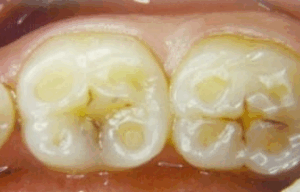
Enamel erosion, or tooth erosion, is a common problem that can occur at any age. The enamel surface of your tooth is dissolved and softened by contact with acids. These acids usually come from your stomach or from food and drinks.
Enamel Erosion

What Causes Acid Wear?

Damage to the enamel from acid wear is irreversible and permanent so prevention is key!

What should I do?

You should identify the root cause of your acid wear as the first step.

Other tips to reduce the damage done
  1. Don’t brush straight after an acid attack (eating or drinking). You will soften your enamel if you brush it immediately after food.
  2. Use a soft toothbrush/electric toothbrush and brush gently around the worn areas.
  3. Drink water / rinse your mouth after having something acidic.
  4. Ensure you wear a nightguard (splint) if you are also grinding/clenching your teeth. This will exacerbate damage from acid wear.
What options do I have to fix damage already done by acid wear?

This will depend on the amount of damage done. Mild acid wear that is not getting worse can just be monitored with no treatment, however, moderate-severe cases may require full mouth rehabilitation in the forms of full coverage fillings or crowns. Best to talk to your dentist about your options.

Anything else I need to know?

Teeth which have acid wear are much more difficult to do fillings on because the quality of the enamel is poor. You are at a much higher risk of fillings not bonding and coming off/breaking.

Are you Scared of Dentist?

“No offence, but I hate dentists.”

This is something I hear very often and it breaks my dental heart slightly but then it is usually followed up by:

“Don’t take it personally but I’m just so nervous”…

Then my achey-breaky dental heart feels a bit better! I never take it personally anymore because I see it as an opportunity to help someone get over their fear! That’s a powerful ability and makes me feel so fulfilled when I achieve it.

Most of the time people are so nervous when they come to see us. Sometimes because of a previous bad experience when they were younger, sometimes because they have no idea what is going to be done or what needs to be done. Other times, it is honestly just something they don’t know why but feel like they have to say!

Some tips to reduce your dental anxiety:

We are here to help patients who are scared of the dentist

So don’t worry, our team at Dental at Keys can look after you if you’re feeling nervous and explain all your options to you. We’ve had patients who are terrified to come in, who are now so comfortable and happy to come in!

We’ve also got a lovely trick to keep you relaxed, maybe some Mr Bean on the ceiling why you get your teeth done?*

What is Airway Obstruction (in Children)?

Airway Obstruction in children is characterised by mouth breathing, snoring, tooth grinding, bedwetting, allergies or frequent ear or other ear/nose/throat infections. Breathing is primary and when obstruction is present, the body adapts muscle positions to create as much airway space as possible. If muscle positions are not normal, then bones grow abnormally.

**This blog post has been posted with permission from Dr. Derek Mahony.

List of symptoms associated with Airway Obstruction in Children

Facial asymmetries and some TMJ dysfunctions (jaw joint problems) can also be attributed to orofacial muscle imbalances and deviate tongue postures due to airway interferences. The following is list of symptoms associated with airway obstruction in children:

Orofacial Growth

85% of orofacial growth is accomplished by the age of twelve. Therefore, early identification of airway interferences, with diagnosis of the underlying cause, is essential to prevent orofacial growth abnormalities. If you, your dentist, dental hygienist or paediatrician observe any of the above symptoms and suspect possible airway obstruction in your child, evaluation by an ENT (ear, nose and throat) physician should be undertaken.

Did you know that the way your child breathes can affect the development of his or her jaws and facial structure influencing how the teeth fit together? Normal breathing should occur through the nose with the mouth closed. However, if the nasal passage is somehow obstructed, mouth breathing often results. Generally, nasal airway obstruction is caused by one or more of the following: (see figure 1)

  1. Enlarged adenoids
  2. Nasal blockage due to swollen tissue, allergies or polyps
  3. Underdeveloped nasal passages and/or underdeveloped jaw and cheekbones
  4. Deviated nasal septum
  5. Enlarged nasal turbinates

All of the above causes the child to breath with his or her mouth open. This open mouth posture causes the facial muscles to generate unnatural constrictive forces on the underlying bony structures (See Figure 2A). Narrowing and elongation of the upper jaw often is the result of such forces (see Figure 2B). In addition, the jaws tend to grow
apart, often causing front open bites which affect the position of the tongue and other facial structures.

Also, because the lower jaw is dropped for mouth breathing, it tends not only to grow apart from the upper jaw, but also becomes positioned further back than normal, causing an overbite (Figure 2C).

How the tongue rets in the mouth can also negatively affect facial growth. The tongue at rest should be high in the mouth which stimulates normal growth of the maxilla (upper jaw). Enlarged tonsils force the tongue in a downward and forward position which pushes on the lower jaw and the lower teeth (tongue trust). This in turn can contribute to prognathism (protruding of the lower jaw) by overstimulating jaw growth (Figure 3).

Please keep in mind that there are many other factors beside airway considerations that affect dental-facial development (ie. genetics, muscular tone, tooth and jaw sizes, allergies etc). There for addressing just these airway interferences will not always guarantee correction of dento-facial problems. However, if airway interferences are eliminated before facial growth is completed, a suitable environment will be establishes to promote a more normal development of the orofacial structures. This can eliminate or simplify the need for extensive orthodontic treatment. Also in cases where airway interferences have been eliminated, relapse of orthodontic treatment is greatly reduced. The results include not only a more stable dentition and bite, but also a more pleasing facial appearance for your child.


The following professional references have been provided for you and your medical practitioner if they would like to know more about the effects of airway obstruction upon facial growth.

  1. McNamara, J.A. and Ribbens, K.A. eds., 1979. Naso-respiratory function and craniofacial growth (Vol. 9). Center for Human Growth and Development, University of Michigan.
  2. Linder-Aronson, S., Woodside, D.G. and Lundströ, A., 1986. Mandibular growth direction following adenoidectomy. American journal of orthodontics, 89(4), pp.273-284.
  3. Shapiro, P.A., 1988. Effects of nasal obstruction on facial development. Journal of Allergy and Clinical Immunology, 81(5), pp.967-971.
  4. Meredith, G.M., 1988. Airway and dentofacial development. American Journal of Rhinology, 2(1), pp.33-41.
  5. Richter, H.J., 1987. Obstruction of the pediatric upper airway. Ear, nose, & throat journal, 66(5), p.209.
  6. Petit, H., 1987. Upper airway problems and pre-orthodontic orthopedics. Ear, nose, & throat journal, 66(6), p.228.
  7. Gray, L.P., 1987. Rapid maxillary expansion and impaired nasal respiration. Ear, nose, & throat journal, 66(6), p.248.
  8. Timms, D.J., 1990. Rapid maxillary expansion in the treatment of nocturnal enuresis. The Angle Orthodontist, 60(3), pp.229-233.
  9. Timms, D.J., 1987. Rapid maxillary expansion in the treatment of nasal obstruction and respiratory disease. Ear, nose, & throat journal, 66(6), p.242.