ClickCease
Unlock Your Smile with Dental at Keys

We Strive to Provide The Best Dental Care For All Our Patients

woman holding ears as husband snores when he sleeps due to sleep apnoea

Mandibular Advancement Splint (MAS) for Sleep Apnoea

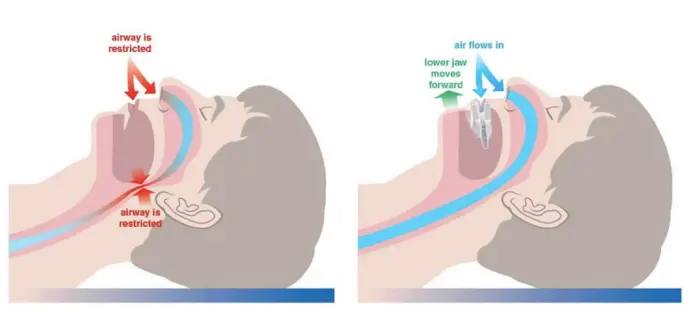
A Mandibular Advancement Splint (MAS) is a custom-made dental appliance designed to help people with mild to moderate obstructive sleep apnoea (OSA) and snoring. Worn while you sleep, it gently moves your lower jaw forward to keep your airway open, allowing you to breathe more easily throughout the night.

What is Obstructive Sleep Apnoea?

Obstructive Sleep apnoea is a condition where your breathing repeatedly stops and starts while you are asleep. These interruptions can occur dozens or even hundreds of times each night, reducing the amount of oxygen your body receives.

Untreated sleep apnoea can contribute to a range of health problems, including:

  • High blood pressure
  • Heart disease
  • Stroke
  • Type 2 diabetes
  • Daytime fatigue
  • Poor concentration
  • Increased risk of motor vehicle accidents

Many people with sleep apnoea are unaware they have the condition until a partner notices loud snoring or pauses in breathing. Not everyone with sleep apnoea snores or has obvious symptoms so it is important to get assessed properly.

Risk Factors for Sleep Apnoea

Several factors can increase your risk of developing obstructive sleep apnoea, including:

  • Being overweight or obese
  • A narrow airway or small jaws
  • A retruded (set-back) lower jaw
  • A large tongue
  • Smoking
  • High blood pressure
  • Diabetes
  • Nasal obstruction or difficulty breathing through the nose
  • Family history of sleep apnoea

What is a Mandibular Advancement Splint?

A Mandibular Advancement Splint (MAS) is a custom-made dental device worn every night while sleeping.

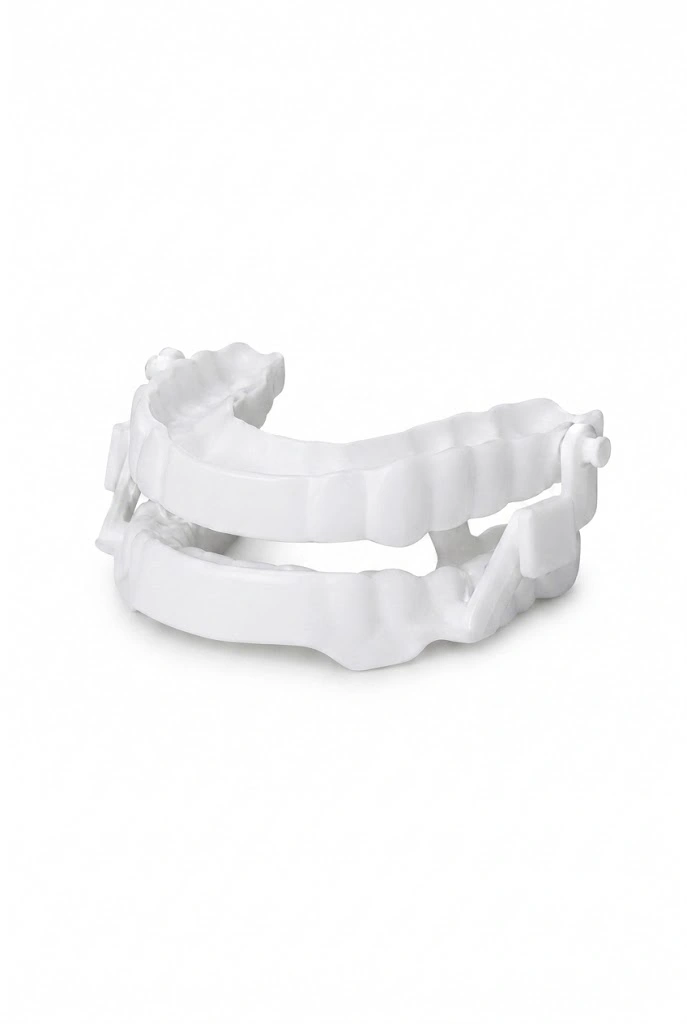
It consists of two precisely fitted trays that fit over your upper and lower teeth. The appliance holds your lower jaw in a forward position, which helps:

  • Keep your airway open
  • Prevent your tongue from falling backwards
  • Reduce snoring
  • Improve airflow while sleeping
  • Reduce episodes of obstructive sleep apnoea

Because every mouth is different, each MAS is individually designed for a precise fit and maximum comfort.

Hinged Mandibular Advancement Splint
woman holding pillow over her head cannot sleep

Am I Suitable for a Mandibular Advancement Splint?

Before having a mandibular advancement splint made, you’ll first need a sleep assessment and sleep study. Your dental professional can refer you for a sleep study and this sleep study will be reported on by a Sleep Physician as well.

A specialist Sleep Physician will review your results and determine:

  • Whether you have sleep apnoea
  • The severity of your condition
  • The most appropriate treatment option

If your sleep physician recommends a mandibular advancement splint, your dentist can then assess whether you are dentally suitable for treatment.

What is the Process of Getting a Mandibular Advancement Splint?

Comprehensive Dental Examination

Your dentist will perform a thorough examination, including X-rays if required, to ensure your teeth and gums are healthy. Your dentist will also need to ensure that you do not have any jaw dysfunction or pain.

Any dental problems such as jaw dysfunction/pain, cavities, infections or gum disease should be treated before making your appliance.

Once your mouth is healthy, digital scans or impressions of your teeth are taken.

Your dentist will also record your bite in several positions to determine the ideal amount of jaw advancement.

Your records are sent to a specialised dental laboratory where your custom mandibular advancement splint is carefully fabricated. Our preferred material of choice is 3D-printed Nylon.

Once your sleep apnoea appliance is ready, your dentist will fit it and ensure it is comfortable.

Several review appointments may be needed to gradually adjust the jaw position until the best balance between comfort and effectiveness is achieved.

It is important to wear your splint every night. Teeth naturally move over time, and long periods without wearing the appliance may affect its fit.

Are There Any Risks or Side Effects?

Most patients adapt well to wearing a mandibular advancement splint.

Some temporary side effects may include:

  • Jaw stiffness
  • Jaw muscle soreness
  • Increased saliva
  • Dry mouth
  • Mild tooth discomfort

Long-term use may slowly change your bite by moving the lower jaw and teeth. This can occasionally result in an open bite affecting the back teeth.

Although this is a recognised risk, the health benefits of treating obstructive sleep apnoea generally outweigh the potential changes to your bite. Your dentist will monitor your teeth and jaw during regular reviews.

What Are the Alternatives to a Mandibular Advancement Splint?

Depending on the severity of your sleep apnoea, alternative treatments may include:

  • CPAP (Continuous Positive Airway Pressure)
  • Weight loss
  • Sleeping position therapy
  • Surgery
  • Treatment of nasal obstruction by an ENT specialist
  • Lifestyle changes such as reducing alcohol intake and quitting smoking

Your Sleep Physician will recommend the treatment that best suits your individual condition.

Sleep Apnoea Treatment

Are Snoring guards Effective?

For patients with mild to moderate obstructive sleep apnoea, mandibular advancement splints are often highly effective provided their mouth/jaw is also suitable for it.

They can:

  • Reduce snoring
  • Improve sleep quality
  • Reduce daytime tiredness
  • Improve oxygen levels during sleep
  • Be more comfortable than CPAP for many patients

The key to successful treatment is ensuring the appliance is professionally made, correctly fitted and regularly reviewed.

Book a consultation today to find out whether a mandibular advancement splint is the right treatment for your sleep apnoea.

*Please note: All MAS treatments are currently performed by Dr Daniella Lim.

Common Dental Problems

Missing Teeth
Missing teeth don’t always need to be replaced, but in many cases, restoring a missing tooth is strongly recommended to protect your oral health, bite function and appearance.
Tooth Decay
Tooth decay or (cavity), is the unsightly brown or black spot on your tooth. Addressing it promptly is essential as it can often lead to further progression of the decay into the tooth.

Toothache
A toothache is pain in or around a tooth that can range from mild discomfort to severe, throbbing pain. It often signals an underlying dental problem that needs urgent professional attention.

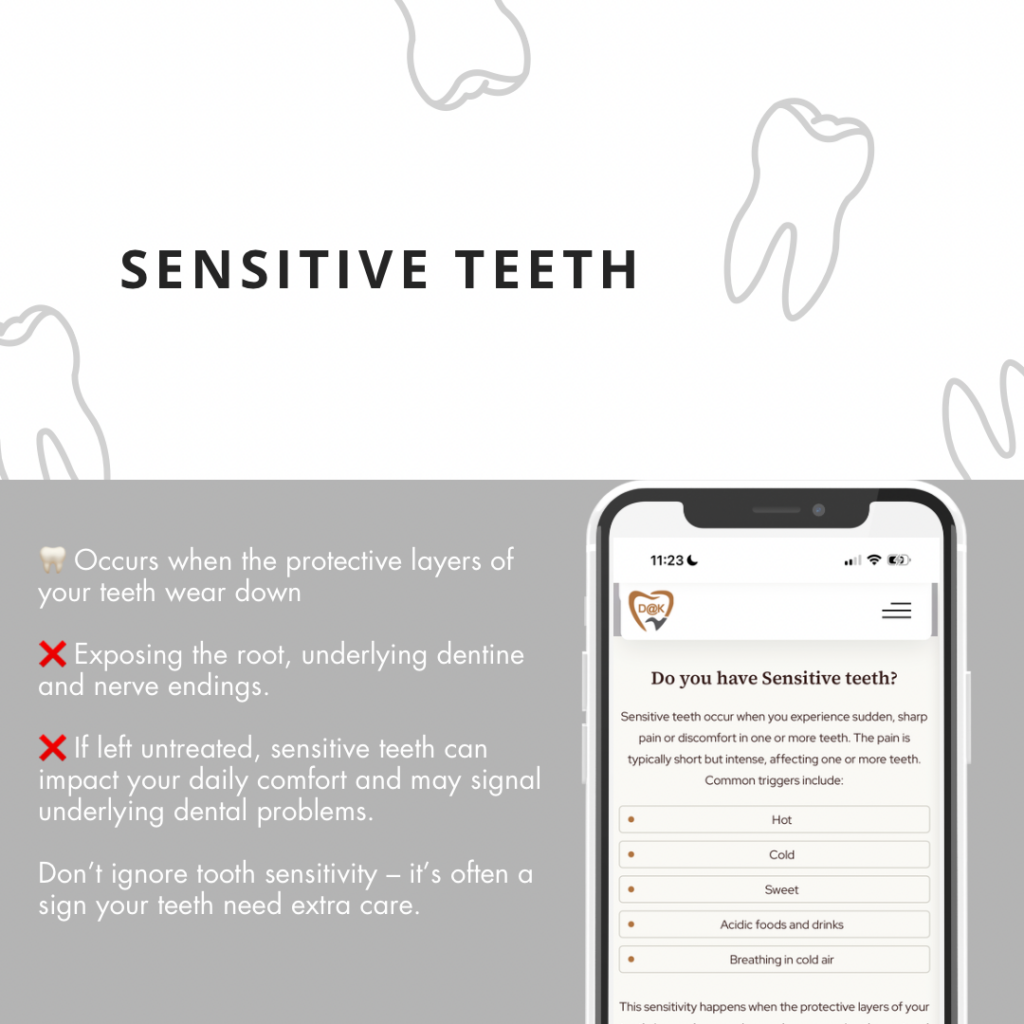
Sensitive Teeth
Refers to a condition when a person experiences sharp, sudden pain or discomfort in their teeth when exposed to certain triggers.
Impacted Wisdom teeth
Impacted Wisdom teeth are your last (third) molars which stuck and can't come out due to their poor angulation. Signs include pain, swelling, infection, and headaches.

Teeth Grinding
Teeth grinding (bruxism), is a common condition where patients unconsciously clench, grind, or gnash their teeth together.

Tooth Abscess
A tooth abscess is a localised collection of pus caused by a bacterial infection inside the tooth or surrounding gum tissue. It often leads to intense pain, swelling, and requires prompt dental care to prevent further complications.
Crowded Teeth
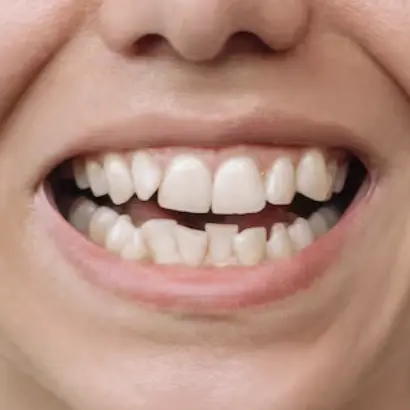
Crowded teeth occur when there isn’t enough space in the jaw for teeth to sit in proper alignment.

Crooked Teeth
Crooked teeth usually develop due to a narrow or restricted jaw that doesn’t provide enough space for teeth to fit correctly.
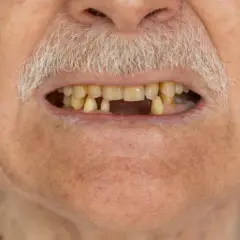
Yellow Teeth
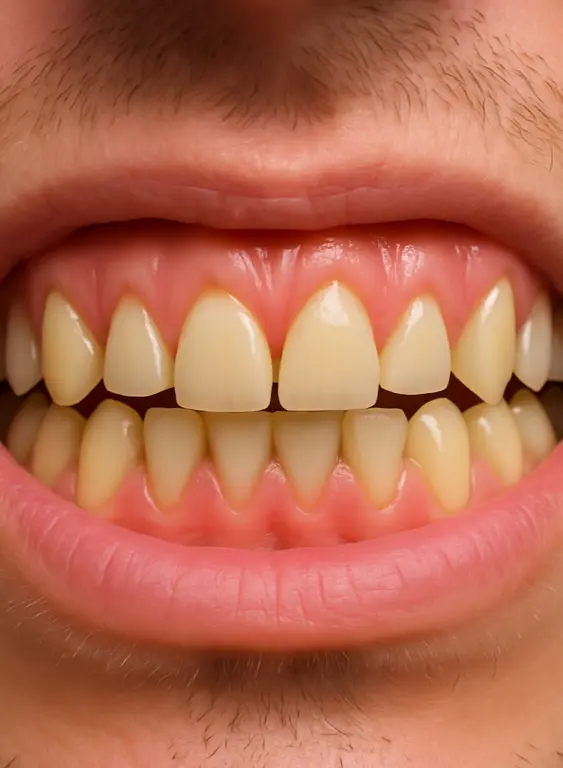
Many people feel self-conscious about yellow teeth or tooth discolouration as it can affect confidence, self-esteem, and appearance.
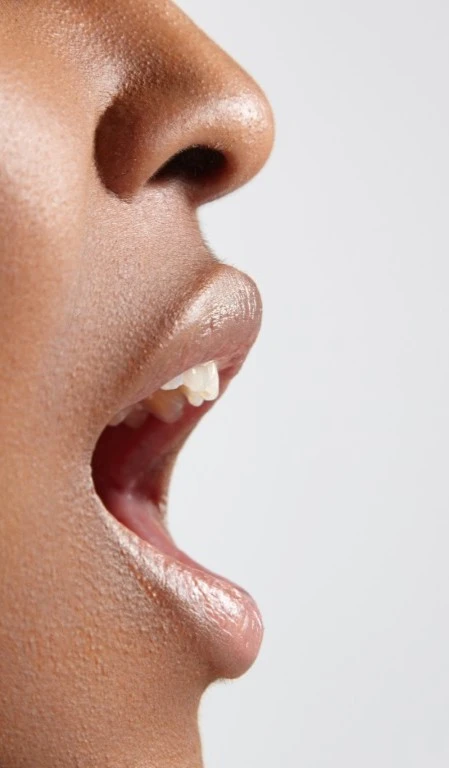
Bad Breath
Bad breath, is a common yet often embarrassing condition that can affect your confidence and social interactions. It may indicate an underlying dental or medical problem that needs attention.
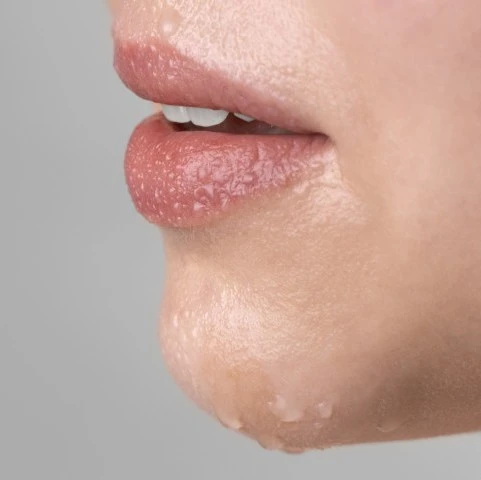
Dry Mouth
Dry mouth, also known as xerostomia, occurs when your salivary glands do not produce enough saliva to keep your mouth moist.

Snoring
Snoring, despite popular belief, is NOT a normal part of sleep. Snoring indicates that the flow of air through the breathing pipes is being restricted, causing vibrations and noise.
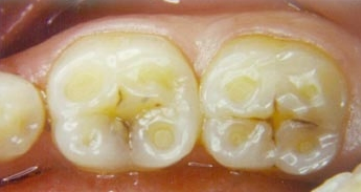
Enamel Erosion
Enamel erosion occurs when acids wear away the strong outer layer of your teeth leading to tooth sensitivity, cosmetic changes, and even functional damage.

Jaw Pain
Jaw pain is a common but often overlooked dental and medical issue which requires early treatment to prevent deterioration of symptoms.
Gum Infection
Gum infections are painful and can cause redness, swelling, bleeding, and pus around the gums.
Receding Gums
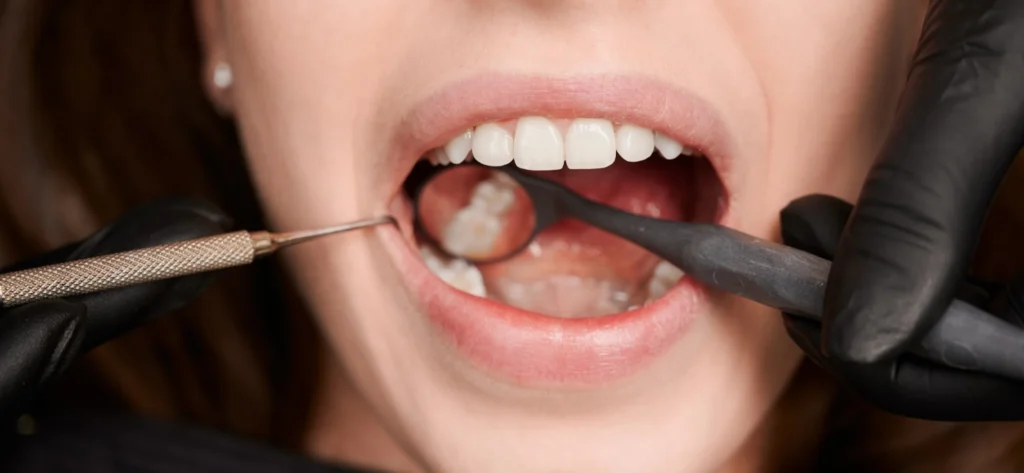
Receding gums can be worrying when you first notice them. Seeking help early is the best way to protect your teeth and gums from further damage.
Gingivitis
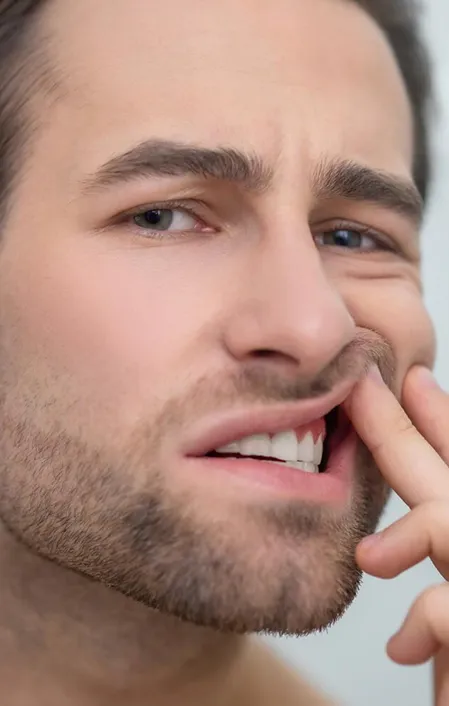
Gingivitis is the reversible inflammation and infection of the gums surrounding the tooth. It is caused by plaque and/or tartar build-up around the teeth.

Cracked tooth
A cracked tooth refers to a condition when a tooth has chipped or fractured which generally results in a "sharp tooth" or at worst, a "tooth ache". Cracks can vary in size, depth, and location, impacting the tooth's structure and overall integrity.

Root Canal Infection
A root canal infection happens when bacteria enter the inner part of a tooth, called the pulp - and can be extremely painful.

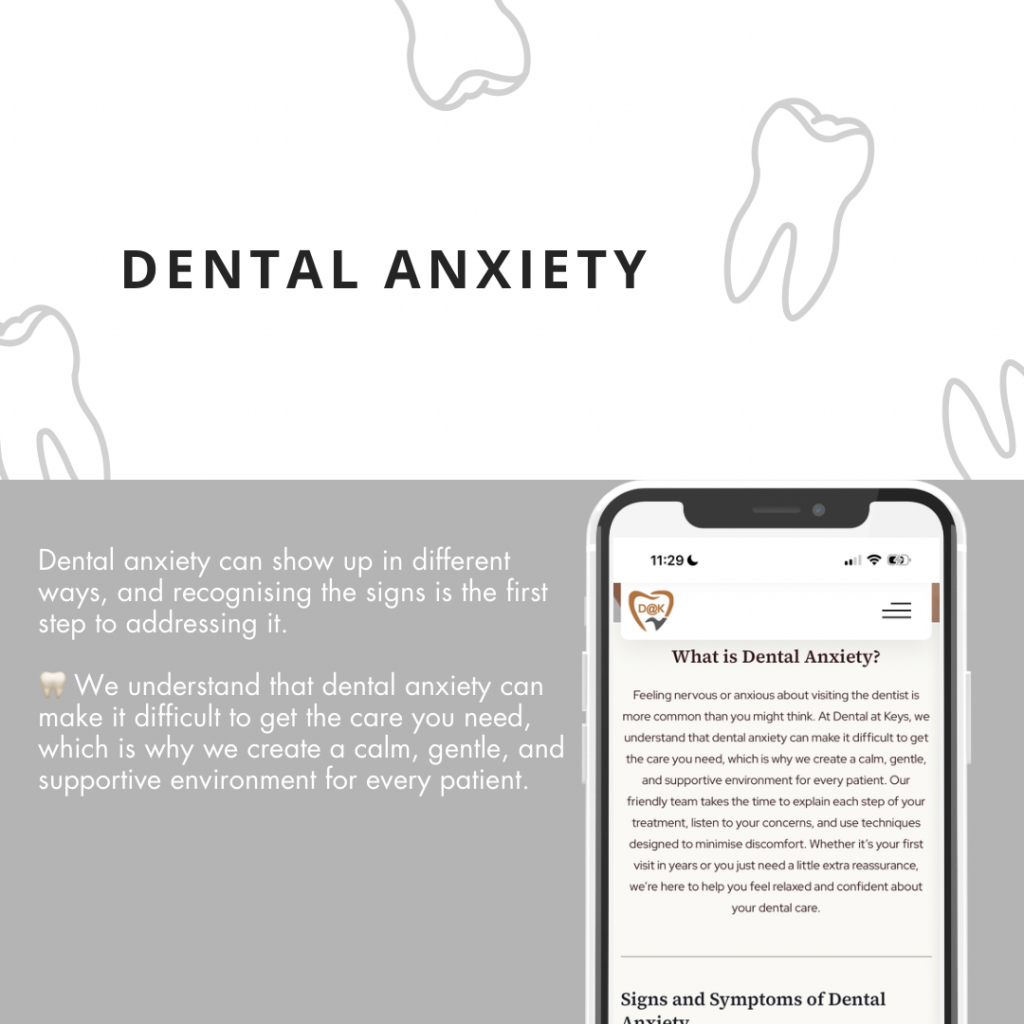
Dental Anxiety
Are you scared of the dentist? Do you think you need a lot of work done but can't bear to be in the dental chair?


Frequently Asked Questions

Faq Img
How much does a Mandibular Advancement device cost?

The cost of a mandibular advancement splint varies depending on the type of appliance, the complexity of the case and number of adjustment appointments. In most cases, treatment is upwards of $2,000. We can provide a personalised quote following your consultation.

Yes. A sleep study and assessment by a Sleep Physician are essential before treatment. This confirms the diagnosis and determines whether a mandibular advancement splint is appropriate.

Dentists are very well placed to recognise signs and symptoms of sleep apnoea, but the diagnosis must be made by a Sleep Physician after a sleep study.

For mild to moderate obstructive sleep apnoea, many patients find a mandibular advancement splint easier to wear than CPAP. However, CPAP remains the gold standard for severe sleep apnoea.

With proper care and regular dental reviews, a custom mandibular advancement splint typically lasts several years.

Latest News

Your local Dentist in Keysborough
A Smile For Every Age