
White Spot Lesions
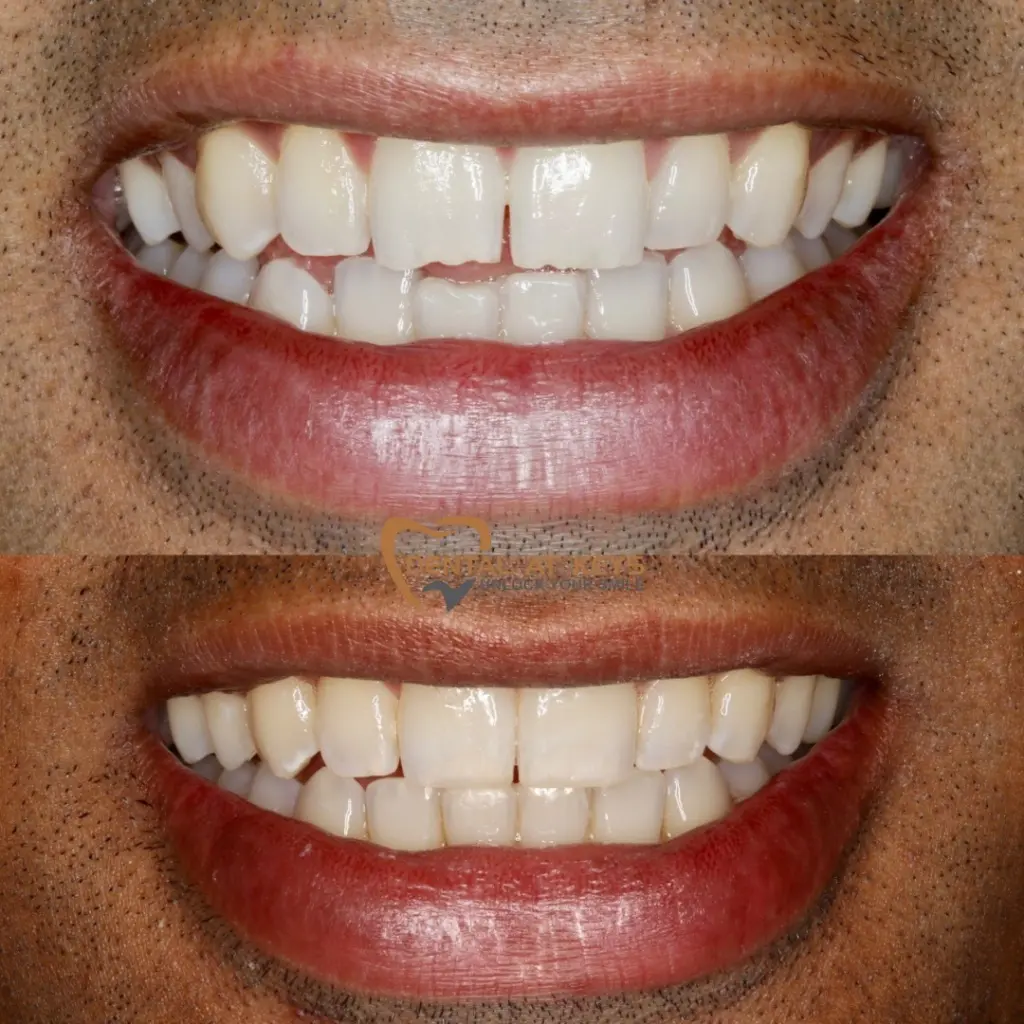
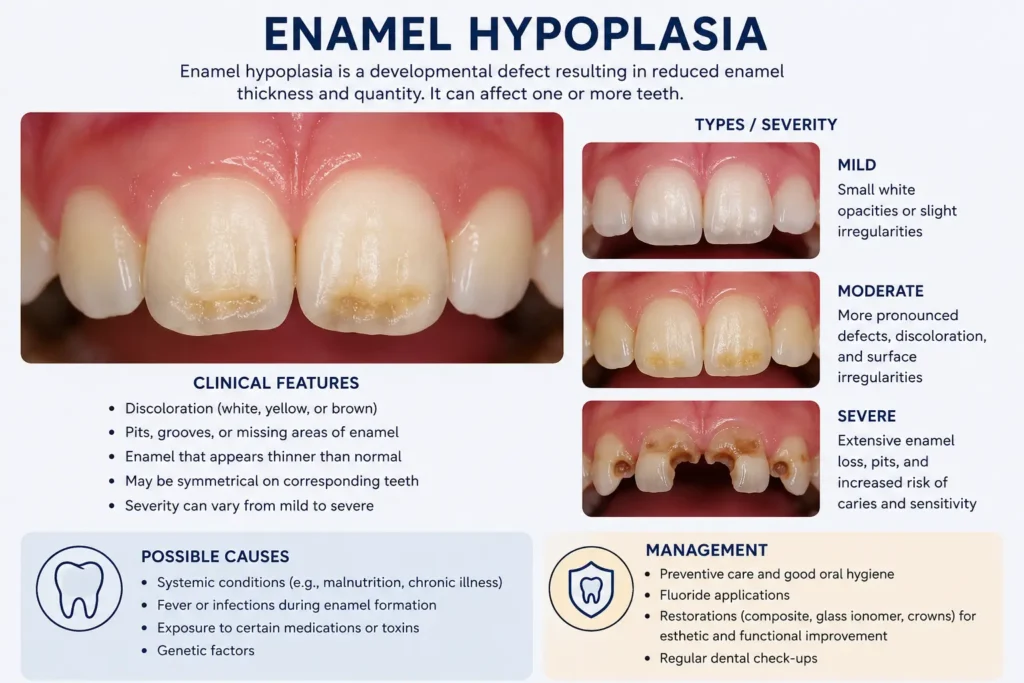
Have you noticed white spots on your teeth? Your dentist may refer to these as white spot lesions or tooth demineralisation. These are early signs of enamel damage, often appearing as bright white patches that stand out from the rest of the tooth surface. They usually result from prolonged plaque accumulation and poor oral hygiene.
What Causes Demineralisation / White Spot Lesions?
The main cause of white spot lesions is inadequate plaque removal, which leads to acid-producing bacteria eroding the enamel. A diet high in sugar and processed foods can also increase the risk, as it fuels plaque build-up and accelerates enamel breakdown.
Common causes include:
- Poor brushing and flossing habits
- High-sugar diet
- Orthodontic appliances like braces that trap plaque
Symptoms and Concerns
Symptoms of tooth demineralisation can vary, but may include:
- Visible white spots—often near the gum line or between teeth
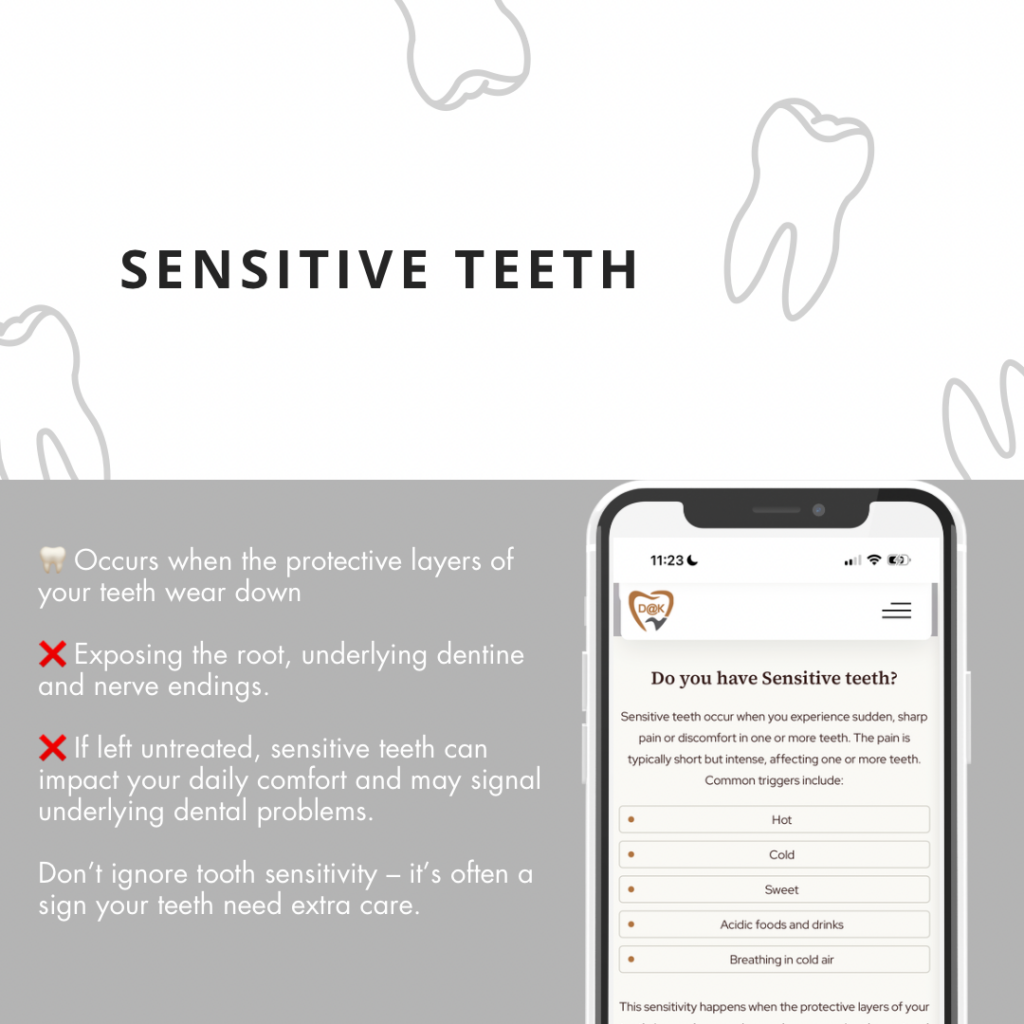
- Tooth sensitivity to cold or sweet foods and drinks
- Increased staining or enamel chipping, especially near the gum margins
- In some cases, the white spots may progress deeper into the tooth, reaching the dentine layer and requiring more extensive treatment.
How to Fix White Spot Lesions / Demineralisation
The treatment for white spot lesions depends on how advanced the enamel damage is. Early-stage lesions can sometimes be reversed or halted without invasive procedures.
Effective treatment options include:
- Improving oral hygiene practices: Brush twice daily and floss regularly
- Reducing sugar intake and improving your diet
- Scheduling regular dental check-ups, cleans, and x-rays to monitor progress
- Using high-fluoride toothpaste or prescription dental products as recommended by your dentist
- If the enamel has significantly broken down, restorative treatments such as fillings, enamel microabrasion, or even veneers may be required.
Prevention and Maintenance
Preventing tooth demineralisation and white spots is achievable with consistent care and healthy habits:
- Brush thoroughly twice a day with fluoride toothpaste
- Floss daily to clean between teeth and prevent plaque build-up
- Maintain a balanced diet low in sugar
- Ask your dental professional about fluoride treatments, toothpastes, or remineralising creams if you’re at higher risk
If you’re interested in checking your teeth for white spot lesions in Keysborough, we invite you to visit Dental at Keys for a personalised consultation.
Frequently Asked Questions

Can demineralisation of teeth be reversed?
Yes, in the early stages, white spot lesions caused by demineralisation can often be reversed. Treatments may include fluoride applications, remineralising agents like calcium-phosphate pastes, or improved oral hygiene to encourage natural enamel repair.
Are white spot lesions permanent?
Some white spot lesions can fade with remineralisation treatments, while others may remain visible even after the enamel has been strengthened. Cosmetic dental treatments such as resin infiltration, whitening, or veneers can improve the appearance of stubborn white spots.
Who is most at risk of demineralisation of teeth?
Anyone can develop white spot lesions, but those most at risk include:
Children and teenagers (due to developing enamel)
People wearing orthodontic braces
Patients with poor oral hygiene habits
Individuals with dry mouth or frequent acid exposure